UK supplements are regulated under food law, not pharmaceutical law. They do not require clinical trial evidence or pre-market safety approval before being sold. This means the responsibility for safety assessment falls primarily on the consumer. Understanding UK supplement regulation, what safety checks to look for and which interactions to be aware of is essential before starting any supplement regimen.
How Are Supplements Regulated in the UK?
In the UK, food supplements are regulated by the Food Standards Agency (FSA) under the Food Supplements (England) Regulations 2003 (and equivalent regulations in Scotland, Wales and Northern Ireland). The key regulatory facts:
- No pre-market approval required — unlike pharmaceutical drugs, supplements do not need to demonstrate safety or efficacy through clinical trials before being sold
- No mandatory testing — manufacturers are legally responsible for the safety of their products but are not required to submit to independent testing before sale
- Health claims are restricted — only EU/UK-approved health claims (based on EFSA/UKFSA assessment) can be made on supplement labels. However, general structure/function claims are common and less strictly policed.
- GMP (Good Manufacturing Practice) is a quality standard — supplements manufactured to GMP standards have documented production processes and quality controls. Look for “UK GMP manufactured” on labels.
- MHRA oversight for borderline products — the Medicines and Healthcare products Regulatory Agency (MHRA) regulates products that make medicinal claims. Products crossing the food/medicine boundary require pharmaceutical licensing.
What Does GMP Certification Actually Mean?
Good Manufacturing Practice (GMP) is a system of manufacturing guidelines that ensures products are produced and controlled to quality standards. For supplements, UK GMP certification means:
- Ingredient identity and purity are verified against specifications
- Manufacturing processes are documented and controlled
- Finished products are tested against label claims
- Contamination controls are in place
- The facility is subject to third-party audit
A supplement manufactured at a UK GMP facility has demonstrably higher quality assurance than one manufactured without GMP oversight. This is one of the most important things to check on any supplement label.
Important Supplement-Drug Interactions to Know
These interactions are clinically documented and relevant for common UK medication users:
| Supplement | Interacts with | Mechanism | Action |
|---|---|---|---|
| Vitamin K2 | Warfarin (blood thinner) | K2 is involved in coagulation; can alter INR | Consult GP; INR monitoring required |
| St John's Wort | Antidepressants, contraceptive pill, HIV medication | CYP3A4 enzyme inducer — accelerates drug metabolism | Avoid without medical supervision |
| Magnesium | Antibiotics (tetracyclines, fluoroquinolones) | Magnesium chelates the antibiotic, reducing absorption | Take 2 hours apart |
| Calcium | Iron supplements | Competitive absorption at intestinal transporters | Take at different times of day |
| High-dose vitamin E | Warfarin, aspirin | Mild antiplatelet effect amplified | Caution at doses above 400 IU |
| Curcumin | Warfarin, antiplatelet drugs | Mild antiplatelet properties | Consult GP if on blood thinners |
| Ashwagandha | Thyroid medication, immunosuppressants | Thyroid hormone modulation; immune modulation | Consult GP; avoid with active autoimmune conditions |
| Iron | Levodopa (Parkinson's medication) | Iron chelates levodopa, reducing absorption significantly | Take 2 hours apart; inform GP |
Who Should Always Consult a GP Before Taking Supplements?
- Anyone on prescription medication — particularly blood thinners, thyroid medication, diabetes medication or immunosuppressants
- Pregnant or breastfeeding women — even “natural” supplements can have uterine effects at high doses
- People with kidney disease — fat-soluble vitamins and minerals can accumulate to harmful levels
- People with liver disease — similar accumulation risk and altered metabolism
- People with autoimmune conditions — several adaptogens modulate immune function
- Children — most supplement doses are calibrated for adults
What to Check on Any UK Supplement Label
- GMP certification — UK GMP manufactured, or equivalent international standard
- Third-party testing — an independent lab verification of label claim accuracy and contaminant absence
- Halal certification (if relevant) — from HFA, HMC, IFANCA or equivalent recognised body
- Capsule type — HPMC (plant-based) or gelatine (bovine/porcine)
- Inactive ingredients — look for magnesium stearate, stearic acid (check source), artificial colours (E numbers)
- Dose per serving — compare to clinical evidence doses, not just % NRV (Nutrient Reference Value)
- Manufacturer details — a physical UK address, not just a PO box or overseas address with UK labelling
Is It Safe to Take Multiple Supplements?
For most common supplement combinations, yes — with the caveat that fat-soluble vitamins (A, D, E, K) accumulate and upper safe limits should be respected. The main risk areas are: iron (don't supplement without testing), vitamin A (toxic at doses above 10,000 IU long-term), and vitamin D (safe to 4,000 IU daily; toxic at very high doses over extended periods). For water-soluble vitamins and most minerals at standard supplemental doses, accumulation toxicity is not a concern. Interactions with medications (see table above) are the most practically important safety consideration for most people.
Why BioBodyBoost Publishes Full Ingredient and Certification Information
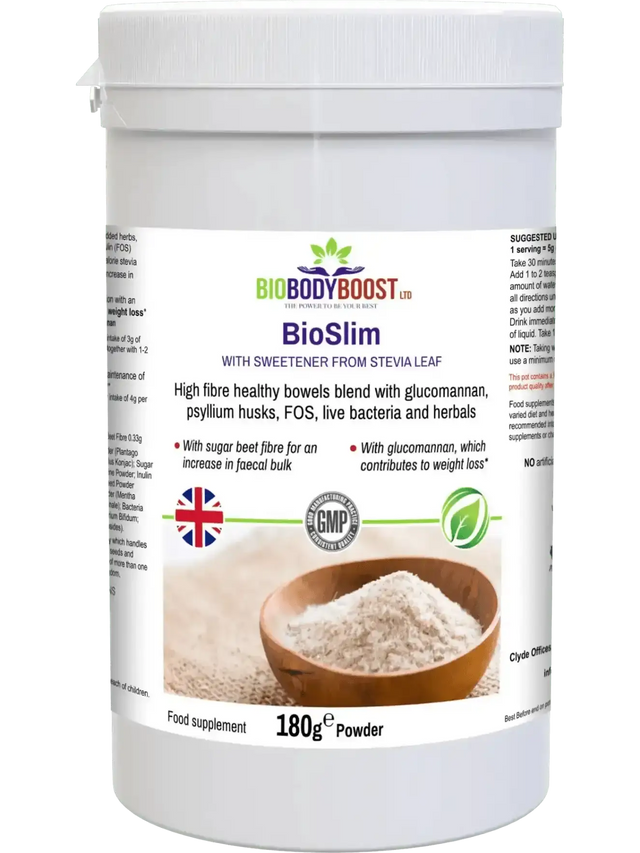
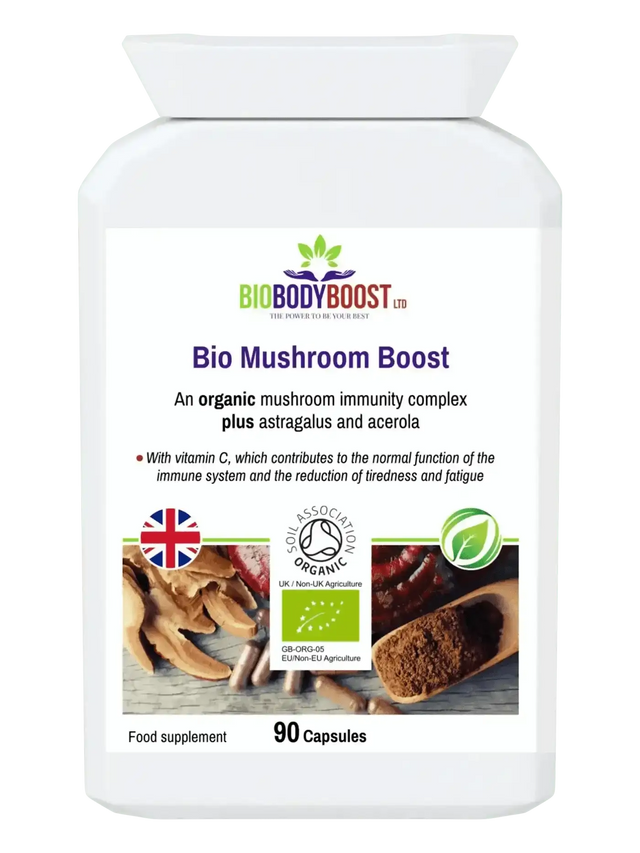
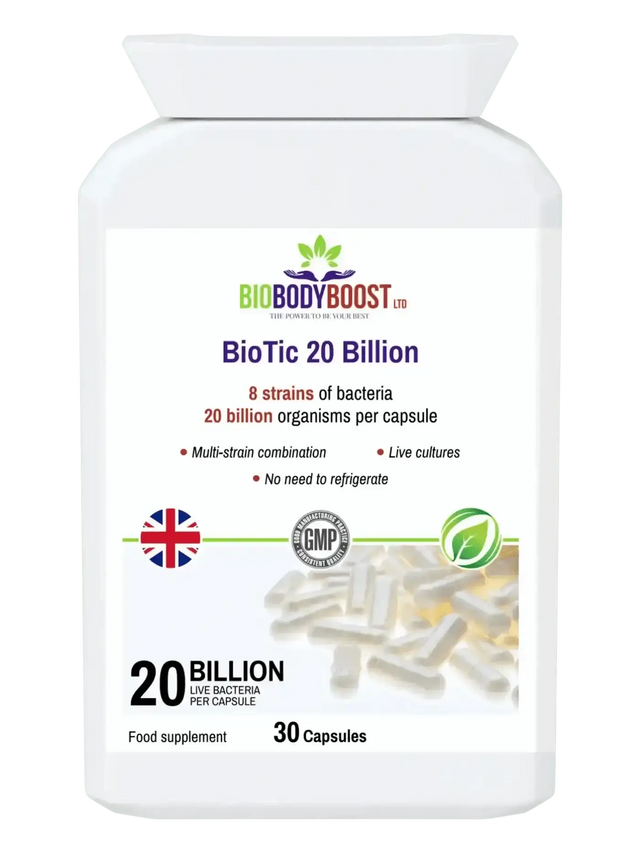
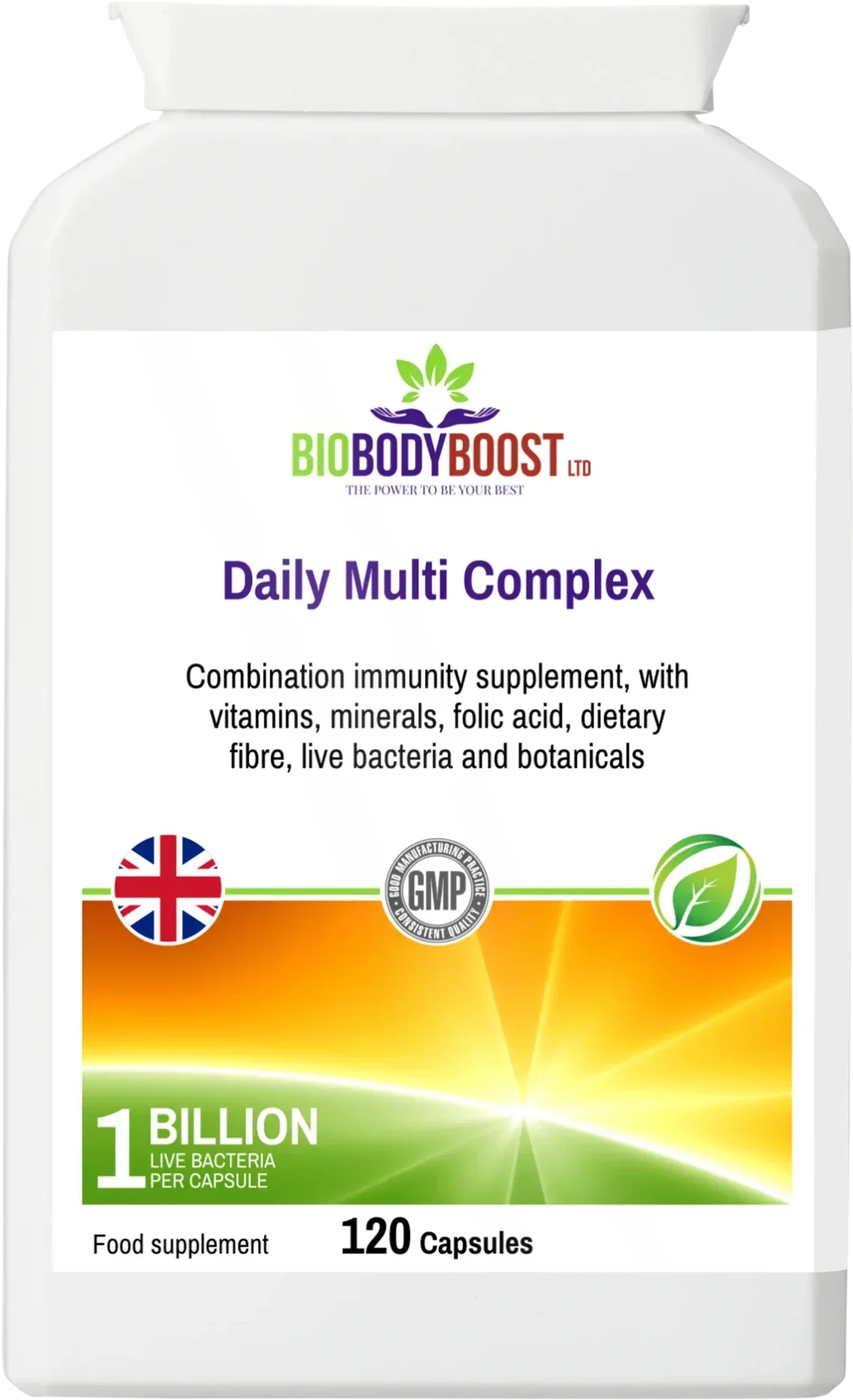
Every BioBodyBoost product is manufactured at a UK GMP certified facility, carries full third-party halal certification from source to shelf, uses plant-derived HPMC capsules, and publishes complete ingredient lists including inactive ingredients. There are no proprietary blends where individual doses are hidden. This transparency is the baseline standard for any supplement worth taking. Browse the full range — all products carry the same quality and certification standards.