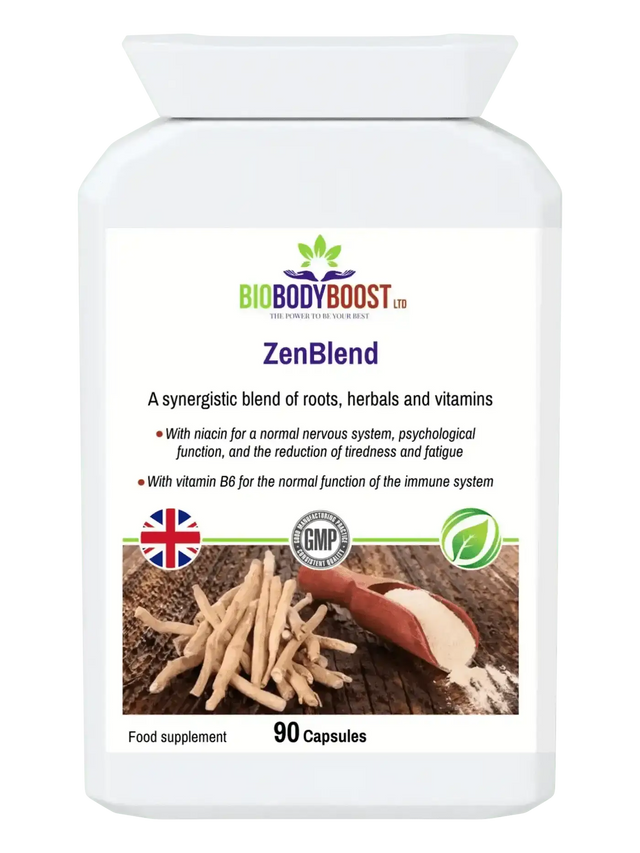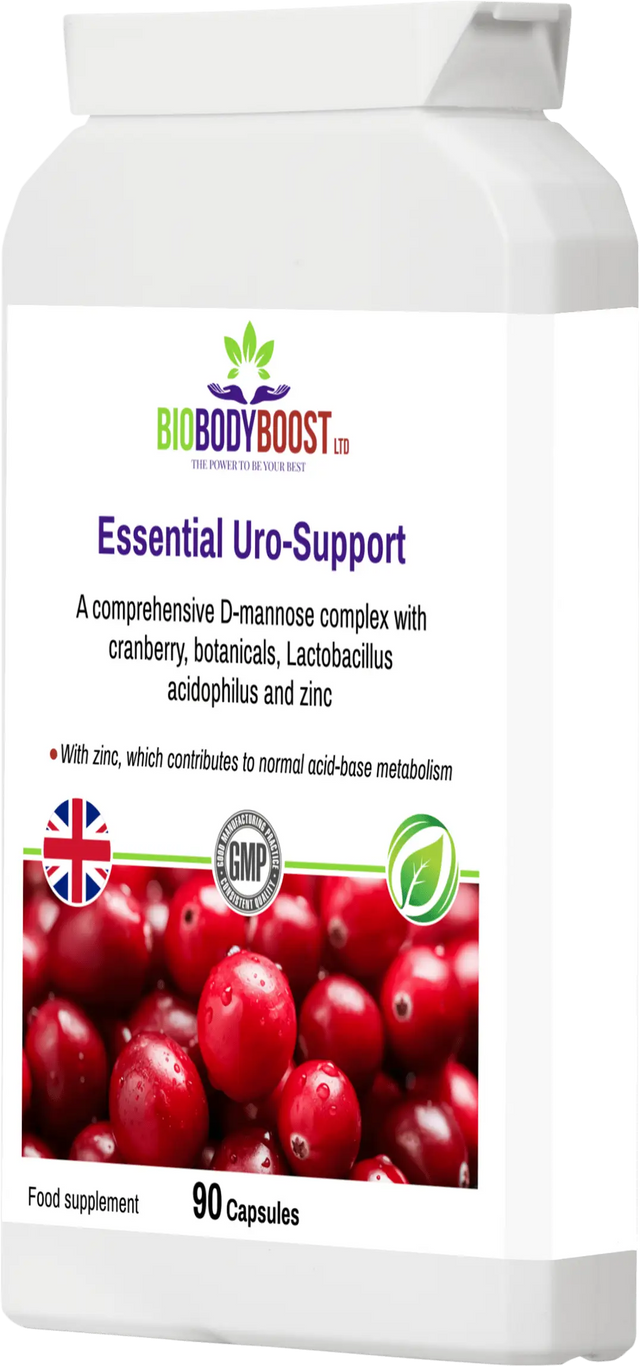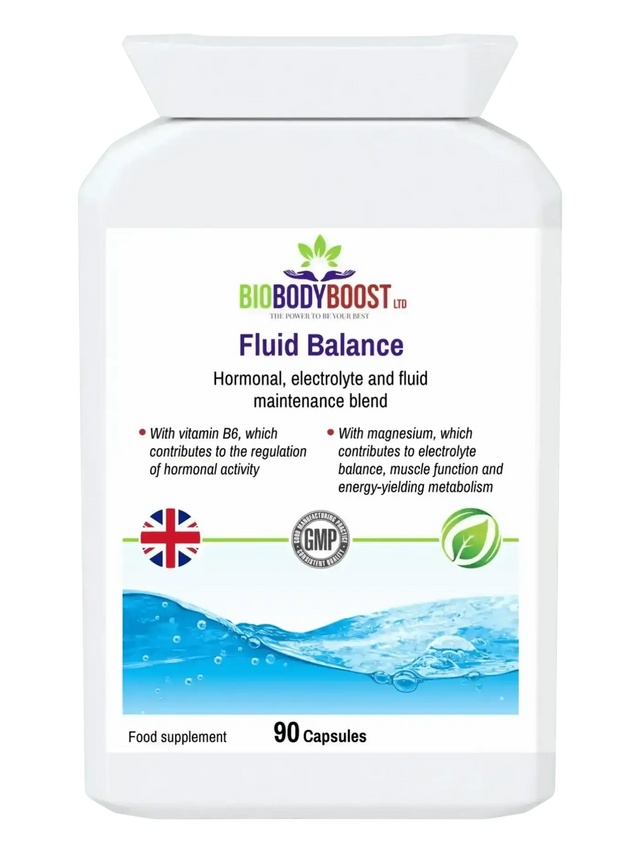

A generic multivitamin used to be the default. Now, more people want support that reflects how they actually live - long workdays, patchy sleep, gym sessions, food intolerances, digestive flare-ups, and family routines that rarely look the same from one week to the next. That shift sits at the heart of the personalised supplements trend UK consumers are driving right now.
This is not just a wellness fad with clever packaging. It reflects a broader change in how people buy health products. Shoppers are asking sharper questions. What is this for? Will it fit my diet? Is the formula clean? Is it tested? Will it support energy without upsetting digestion, or recovery without loading up on unnecessary fillers? Personalisation answers those questions better than the one-size-fits-all model ever could.
Why the personalised supplements trend UK is gaining pace
The biggest reason is simple - people are tired of guesswork. When someone is dealing with bloating after meals, a dip in afternoon focus, recurring winter bugs, or sore joints after training, they do not want a broad promise. They want support that lines up with a specific outcome.
That demand has grown alongside better access to information. UK consumers now read labels more closely, compare ingredient quality, and look for proof cues such as third-party testing, research-backed blends, and clear dosage rationale. They also expect supplements to match modern dietary standards. Vegan, dairy-free, gluten-free, halal-friendly or other lifestyle considerations are no longer niche filters. For many households, they are basic buying criteria.
There is also a convenience factor. Personalised supplement pathways reduce decision fatigue. Instead of scrolling through endless categories, people can shop by goal - gut balance, immune resilience, workout recovery, joint mobility, steady energy, family wellness. That feels more practical, especially for busy adults who want consistent routines without spending hours researching every nutrient.
What personalisation really means in supplements
Personalisation can sound more technical than it is. In practice, it usually means choosing products based on your health goals, dietary preferences, routine, and how your body responds, rather than buying the most popular formula and hoping for the best.
For one person, that may mean prioritising digestive support because stress and rushed meals leave them feeling heavy and uncomfortable. For another, it may be about muscle recovery and hydration support that fits a plant-based training plan. A parent may want family-friendly options with cleaner ingredients and fewer compromises. Someone else may need a formula that supports immune health without synthetic overload or harsh ingredients.
The smart version of personalisation is focused, not excessive. It is not about building a giant stack of capsules for every possible issue. It is about choosing the right support for the right reason, then staying consistent enough to see whether it helps.
The consumer shift behind personalised supplements trend UK demand
There is a cultural shift behind the numbers. Wellness is now part of daily life rather than a separate project saved for January. People want small upgrades that feel manageable - better mornings, calmer digestion, fewer energy dips, stronger recovery, more resilience during stressful weeks.
That is why personalised supplements are resonating. They fit into real life. They can be selected around common friction points such as poor sleep patterns, busy commutes, hard training blocks, or restricted diets. They also support a more proactive mindset. Instead of waiting until people feel run down, many are building routines that support long-term health and daily performance.
In the UK, trust matters too. Consumers are increasingly sceptical of inflated claims, and rightly so. Clean-label positioning, transparent sourcing, and third-party testing help separate serious formulations from products that rely more on marketing than substance. A supplement does not need to promise miracles. It needs to show that the formula makes sense.
Where personalisation delivers the biggest value
Personalised supplements tend to work best in areas where needs vary widely between individuals. Digestion is a clear example. One person may want gut balance and regularity support, while another is looking to reduce discomfort after certain meals. The same category, but very different priorities.
Energy and stress support is another. Some people want help with sluggish starts and mental fog. Others need support that feels steady and clean, with no jitters and no late-day crash. A formula that suits one person may feel completely wrong for another depending on caffeine tolerance, diet, sleep quality, and daily workload.
Sports nutrition also benefits from a more tailored approach. Recovery needs differ depending on training volume, protein intake, age, and broader lifestyle. Plant-based consumers often pay even closer attention here, because they want effective support that still aligns with their food choices and digestion.
Then there is immune support, joint comfort, heart and circulation, beauty support, and family health. These are not identical needs across every adult in the same postcode. Personalised selection helps narrow the gap between what a product claims and what the user actually needs.
The trade-off: personal does not always mean better
There is a catch. Personalised sounds premium, and sometimes it is. But more tailored does not automatically mean more effective.
Some brands use the language of personalisation when they are really just repackaging standard products into a quiz result. That does not make the formula bad, but it does mean shoppers should look past the surface. Are the ingredients relevant? Are the doses meaningful? Is the blend compatible with your diet and routine? Is there evidence behind the actives, or just a lot of trend-led language?
There is also the risk of overcomplicating things. If your goals are straightforward, a carefully chosen targeted supplement may do the job perfectly well. Not everyone needs a highly customised monthly plan. Sometimes the best approach is simpler - a clean, research-backed formula chosen around one or two clear priorities.
How to choose well without falling for hype
Start with the problem you are trying to solve, not the trend. If your main issue is bloating after meals, support for digestion makes more sense than a broad wellness blend. If your focus is training recovery, look for formulas built around performance and repair rather than general vitality claims.
Next, check whether the product fits your standards. For many modern supplement users, that means plant-based ingredients, a clean-label approach, and freedom from unnecessary fillers. If you follow vegan or restricted diets, compatibility is part of effectiveness. A supplement that clashes with your values or your digestion is not a good fit, no matter how strong the marketing looks.
Then look for proof. Research-backed ingredients matter. Third-party testing matters. Clear formulation logic matters. The best supplement brands make it easy to understand what a product is designed to do and why each ingredient is included.
Finally, give it time. Personalised support still relies on consistency. A month of regular use with a sensible routine will tell you more than taking a capsule three times and expecting a transformation.
What this means for the future of wellness
The personalised supplements trend UK market is seeing is really part of a more mature wellness movement. People want products that respect their individuality without making health feel complicated. They want cleaner formulations, sharper targeting, and support that fits around work, training, parenting, travel, and dietary preferences.
That is a positive shift. It pushes the industry towards better standards and more transparent products. It also encourages people to think in terms of outcomes they can feel - lighter digestion, better recovery, steadier energy, stronger daily resilience - rather than chasing vague promises.
For brands, the message is clear. Consumers are no longer impressed by being offered everything. They respond better when they are offered the right thing. That means thoughtful product design, honest claims, and simpler pathways to support.
At BioBodyBoost, that is exactly where tailored supplementation becomes useful - not as a gimmick, but as a practical way to help people find cleaner, plant-based support that fits real goals and real routines.
The best personalised supplement plan is rarely the most complicated one. It is the one you understand, trust, and can stick with long enough to feel the difference.