NAD+ (nicotinamide adenine dinucleotide) is a coenzyme present in every cell of the body, essential for energy metabolism, DNA repair and the activation of sirtuins — proteins associated with longevity signalling. NAD+ levels decline approximately 50% between ages 20 and 50, and this decline correlates with the hallmarks of biological ageing. Restoring NAD+ through dietary precursors is one of the most actively researched longevity interventions. Here is the honest 2026 guide to what the evidence actually shows.
What Is NAD+ and Why Does It Decline?
NAD+ functions in two critical roles in every cell:
- Energy metabolism — NAD+ is the essential electron carrier in the mitochondrial electron transport chain. Without adequate NAD+, ATP production is impaired at the cellular level, producing fatigue and metabolic dysfunction.
- Longevity signalling — NAD+ activates sirtuins (SIRT1–7) — a family of deacetylase enzymes that regulate DNA repair, inflammation, mitochondrial biogenesis and stress resistance. Sirtuins can only function when NAD+ levels are adequate. This is the most compelling longevity mechanism.
NAD+ declines with age due to: increased consumption by PARP enzymes (activated by DNA damage, which accumulates with age), CD38 activity (an NAD+-consuming enzyme whose expression increases with age and inflammation), and reduced biosynthesis efficiency.
NMN vs Nicotinamide Riboside (NR) — What's the Difference?
Both NMN (nicotinamide mononucleotide) and NR (nicotinamide riboside) are NAD+ precursors — they are converted to NAD+ in cells. They are one step apart in the biosynthetic pathway:
| Factor | NMN | Nicotinamide Riboside (NR) |
|---|---|---|
| Pathway position | One step closer to NAD+ | Converted to NMN first, then NAD+ |
| Human trial evidence | Growing — 10+ human trials published 2020–2026 | More established — 15+ human trials |
| Dose used in trials | 250–1,200mg daily | 250–1,000mg daily |
| UK legal status | Legal as food supplement — but H&B pulled it due to regulatory uncertainty | Legal as food supplement |
| Cost | Higher | Lower |
| Bioavailability | Sublingual may improve; some debate about oral absorption | Good oral absorption documented |
What Does the Human Clinical Evidence Show?
NAD+ restoration — well established
Both NMN and NR consistently and significantly raise blood NAD+ levels in humans. This is the most robustly demonstrated effect across multiple trials. The question is whether raising NAD+ translates to meaningful clinical outcomes.
Metabolic health — promising
A 2021 trial found NMN supplementation (250mg daily for 10 weeks) significantly improved muscle insulin sensitivity and physical performance in older women with prediabetes. A 2022 trial found NR significantly improved NAD+ metabolism and mitochondrial function markers. Multiple trials show improvements in metabolic biomarkers.
Cardiovascular function — moderate evidence
Research published in 2023 found NMN supplementation significantly improved arterial stiffness and endothelial function in healthy middle-aged adults — direct cardiovascular ageing markers.
Cognitive function — early stage
Preliminary trials show NAD+ precursor supplementation may improve cognitive performance in older adults. The mechanistic case is strong (NAD+ decline affects neuronal energy and DNA repair) but large-scale cognitive trials are ongoing.
What the Evidence Does NOT Support (Yet)
- Dramatically reversing biological age in healthy adults — impressive animal data does not fully translate to humans in trials
- Treating any disease — NAD+ precursors are food supplements, not medicines
- Equivalent effects to caloric restriction or exercise — the longevity interventions with the most robust human evidence
UK Legal Status in 2026
NMN is legal in the UK as a food supplement under FSA guidance. Holland & Barrett voluntarily withdrew NMN from their range following regulatory discussions — not because it was banned, but due to commercial caution around novel food classification questions. Multiple UK online retailers continue to sell NMN legally. Nicotinamide riboside (NR) is similarly legal and available. Neither requires a prescription.
Are They Halal?
NMN is produced by enzymatic or chemical synthesis — not derived from animal sources. It is inherently halal. The halal compliance consideration is the capsule shell (HPMC vs gelatine) and any processing aids used in manufacture.
Practical Protocol
Morning dosing is generally recommended — NAD+ metabolism has circadian patterns with peak utilisation during waking hours. Taking with food may improve tolerability. Combining with a resveratrol or pterostilbene supplement is frequently suggested (to activate sirtuins alongside raising NAD+) but the combination evidence in humans is limited. NR at 300–500mg daily is a reasonable starting point; NMN at 250–500mg daily is the most studied range. Both are safe with excellent tolerability profiles across trials.
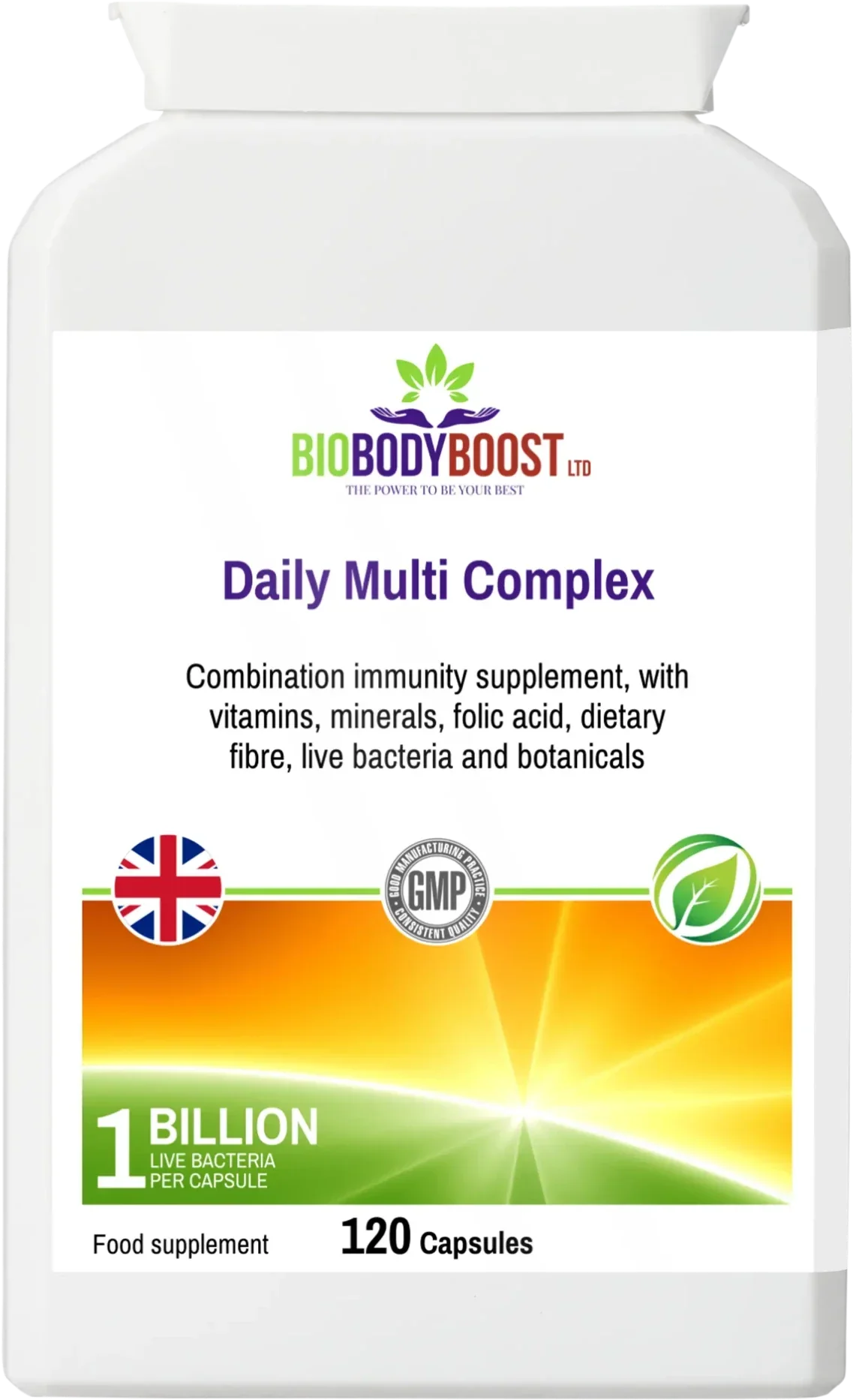
Daily Multi Complex by BioBodyBoost includes niacin — a B3 vitamin that is itself an NAD+ precursor at lower cost than NMN/NR, effective for maintenance-level NAD+ support. CardioVital addresses the cardiovascular longevity pathway. Browse the full range.