
Quick answer: the konjac root that glucomannan comes from is a plant and is halal. What decides whether a glucomannan supplement is halal is how it was made and what it comes in: refined glucomannan is often purified using ethanol, many capsules are gelatine, and weight management blends can contain other ingredients that need checking. A product with halal approval answers all of those.
What glucomannan is
Glucomannan is a soluble fibre from the root (corm) of the konjac plant (Amorphophallus konjac), eaten in East and South-East Asia for centuries as konjac jelly, shirataki noodles and konjac rice. It absorbs a large amount of water and forms a thick gel, which is why it is used in food and in fibre supplements.
The three things that decide it
1. Ethanol in the refining process
This is the point most halal guides miss. To make purified konjac flour and glucomannan, producers often wash the flour with ethanol to remove sugars and other compounds. The Indonesian halal authority LPPOM MUI identifies this as the critical halal point for konjac products. Under its fatwa, ethanol from non-khamr sources (synthetic, or from non-wine fermentation) is permitted as a processing aid, provided it is not harmful. Other scholars and certifiers may apply different rules on the source of the ethanol and how much remains. Halal approval of the finished product means this has been checked.
2. Capsules
Glucomannan is often sold in capsules, and many capsules are gelatine. Look for HPMC or "vegetable cellulose", or choose a powder. More in our guide to gelatine vs HPMC capsules.
3. What else is in the product
Weight management products rarely contain glucomannan alone. Flavourings, colours and botanical extracts each need checking. Our E-numbers guide covers colours such as carmine (E120).

What glucomannan can and cannot claim
Glucomannan is the only fibre with an authorised weight loss claim in the UK. The wording on the GB nutrition and health claims register is:
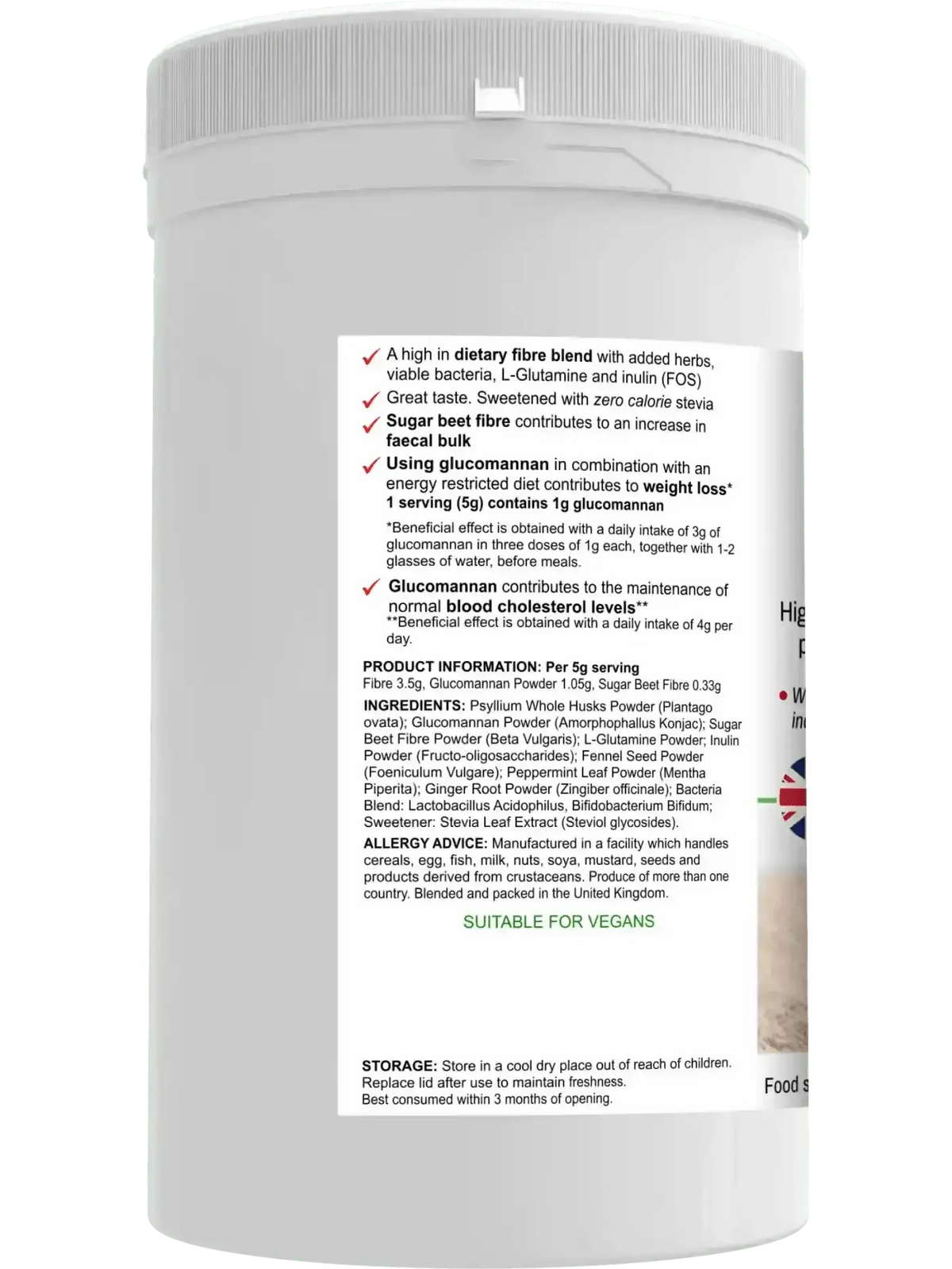
Glucomannan, in the context of an energy-restricted diet, contributes to weight loss. The beneficial effect is obtained with a daily intake of 3g of glucomannan in three doses of 1g each, in conjunction with 1 to 2 glasses of water, before meals.
So a product needs at least 1g of glucomannan per dose for that claim to apply, and the claim only works alongside eating less. Many products contain far less per dose. Glucomannan also has a claim for the maintenance of normal blood cholesterol levels, at 4g a day.
Do konjac noodles count?
Shirataki noodles and konjac rice are a low-calorie swap, and the same halal points apply (check for halal approval). But the amount of glucomannan per portion varies and you eat it with the meal, not before, so it does not match the conditions of the claim.
Safety
Risk of choking for people with swallowing difficulties, or when taken with too little fluid. Glucomannan swells a great deal. Take it with plenty of water and never dry.
- Keep it more than an hour apart from medicines, including the contraceptive pill and thyroid tablets, as the NHS advises for bulk-forming fibre.
- Pregnant or breastfeeding: speak to your GP or midwife first.
- Fasting in Ramadan: see our suhoor and iftar fibre routine.
Our halal approved glucomannan products
- BioSlim (powder): 1.05g glucomannan per 5g serving with psyllium husk, sugar beet fibre, inulin, live cultures and fennel, peppermint and ginger. No caffeine, no capsule. Halal and kosher approved, vegan. May contain traces of mustard and sesame.
- BioBurn (HPMC capsules): 1000mg glucomannan per 2-capsule serving with chromium, iodine and botanicals. Contains 50mg caffeine per serving, so not for pregnancy or if you are caffeine-sensitive. Halal and kosher approved, vegan.

1.05g glucomannan per serving with psyllium husk and live cultures. Halal and kosher approved, vegan. 180g, £13.99.
Glucomannan, in the context of an energy-restricted diet, contributes to weight loss (3g daily in three 1g doses with 1 to 2 glasses of water before meals).

1000mg glucomannan per serving, HPMC capsules. Contains caffeine. Halal and kosher approved, vegan. 90 capsules, £19.99.
Glucomannan, in the context of an energy-restricted diet, contributes to weight loss (3g daily in three 1g doses with 1 to 2 glasses of water before meals).
Food supplements should not replace a varied, balanced diet and a healthy lifestyle. Related: is psyllium husk (isabgol) halal? and isabgol for weight loss: an honest guide.
Is glucomannan halal?
The konjac root is halal. Refined glucomannan is often purified with ethanol, which certifiers assess differently, and capsules may be gelatine. Choose a halal approved product.
Is konjac halal?
Konjac is a plant root and halal in itself. Processed konjac foods and supplements should be checked for halal approval because of processing aids and added ingredients.
Are shirataki noodles halal?
The konjac is fine. Check the product for halal approval, as processing aids and flavourings vary.
How much glucomannan do I need for weight loss?
3g a day, in three 1g doses with 1 to 2 glasses of water before meals, within an energy-restricted diet. That is the authorised claim wording.
Can women take glucomannan with the contraceptive pill?
Yes, but keep them more than an hour apart, as the NHS advises for bulk-forming fibre and medicines. Ask your pharmacist if unsure.
BioBodyBoost — Halal Approved UK Supplements
Use code HALAL10 for 10% off your first order — halal approved under UHA Certificate Ref. 24623, UK made. Shop halal supplements →


