Iron deficiency is the most common nutritional deficiency globally and the leading cause of anaemia in the UK. The NHS estimates that approximately 1 in 10 UK women of childbearing age has iron deficiency anaemia, with a much larger proportion having depleted iron stores without yet reaching clinical anaemia. Symptoms are frequently attributed to stress, poor sleep or thyroid issues before iron deficiency is investigated — partly because standard NHS blood panels measure haemoglobin, which only falls after iron stores are substantially depleted.
What Does Iron Do in the Body?
Iron has three primary functions:
- Haemoglobin production — iron is the core component of haemoglobin, the protein in red blood cells that carries oxygen from the lungs to every tissue. Without adequate iron, fewer and smaller red blood cells are produced, reducing oxygen delivery system-wide.
- Myoglobin production — iron is also the core component of myoglobin, which stores oxygen in muscle tissue. Low myoglobin causes the muscle weakness and exercise intolerance characteristic of iron deficiency.
- Energy metabolism — iron is a cofactor in mitochondrial electron transport chain enzymes. Deficiency impairs ATP production at the cellular level, producing fatigue that is not relieved by sleep.
What Are the Symptoms of Iron Deficiency?
Symptoms develop progressively — depleted stores produce symptoms before anaemia develops:
- Persistent fatigue — the most common presenting symptom. Cellular energy production is impaired before haemoglobin falls measurably.
- Breathlessness on exertion — reduced oxygen-carrying capacity makes moderate activity disproportionately tiring
- Brain fog and poor concentration — the brain is highly oxygen-dependent; reduced delivery impairs cognitive function
- Pale inner eyelids and gums — reduced red blood cell density reduces visible colour in mucous membranes
- Brittle nails and hair loss — iron is required for keratin synthesis; deficiency affects hair follicle cycling
- Cold hands and feet — reduced peripheral circulation from lower oxygen delivery
- Restless legs at night — a specific association between iron deficiency and restless leg syndrome is well documented
- Pica — cravings for non-food items (ice, clay, chalk) are a specific sign of significant iron deficiency
Who Is Most at Risk of Iron Deficiency in the UK?
- Women with heavy periods — the highest-risk group. Menstrual blood loss is the most common cause of iron deficiency in premenopausal women. Heavy periods (losing more than 80ml per cycle) can deplete stores faster than diet replaces them.
- Pregnant women — iron requirements increase dramatically during pregnancy. The NHS recommends all pregnant women be tested and many need supplementation.
- Vegans and vegetarians — dietary iron comes in two forms: haem iron (from meat, highly absorbable) and non-haem iron (from plants, much lower absorption). Plant-based diets provide only non-haem iron, and phytates in grains and legumes further reduce its absorption.
- Regular blood donors — each donation removes approximately 200–250mg of iron.
- Endurance athletes — foot-strike haemolysis (red blood cells damaged by foot impact) and increased loss through sweat deplete iron faster.
- People with gut conditions — coeliac disease, Crohn's disease and H. pylori infection all impair iron absorption.
Why Standard Blood Tests Miss Iron Deficiency
The standard NHS full blood count measures haemoglobin. But haemoglobin only falls after iron stores in the bone marrow and liver (measured by ferritin) are substantially depleted. Many people have symptomatic iron deficiency with normal haemoglobin but low ferritin. If you have fatigue symptoms, ask your GP to test serum ferritin — not just a full blood count. Optimal ferritin for energy and cognitive function is generally considered to be above 50–70 mcg/L; many labs flag deficiency only below 12–15 mcg/L, which is the threshold for established anaemia, not optimal function.
What Is the Best Form of Iron Supplement?
Iron supplements differ significantly in absorption rate and tolerability:
| Form | Absorption | GI side effects | Notes |
|---|---|---|---|
| Ferrous sulphate | High (~20%) | High — nausea, constipation common | Standard NHS prescription; effective but poorly tolerated by many |
| Ferrous fumarate | High (~20%) | Moderate-high | Alternative NHS prescription form |
| Ferrous bisglycinate | High (~25%) | Low — well tolerated | Chelated form; better absorbed and gentler on stomach |
| Ferric (iron III) forms | Low (~3–8%) | Low | Most tablet forms; poor absorption |
| Liquid iron (ferrous gluconate) | Good | Low | Often better tolerated; useful for those with absorption issues |
Ferrous bisglycinate is the preferred supplemental form — absorption is equivalent to or better than ferrous sulphate with significantly fewer GI side effects. Always take iron with vitamin C (enhances absorption by 2–3x by reducing ferric to ferrous iron) and away from calcium, tea, coffee and dairy (all inhibit absorption).
Important: Do Not Supplement Iron Without Testing
Unlike most supplements, iron has a narrow therapeutic window. Excess iron is a pro-oxidant — it generates free radicals, promotes bacterial growth and damages organs. Iron supplementation without confirmed deficiency is not appropriate and can be harmful. Always test ferritin before supplementing iron, and retest after 8–12 weeks to monitor response.
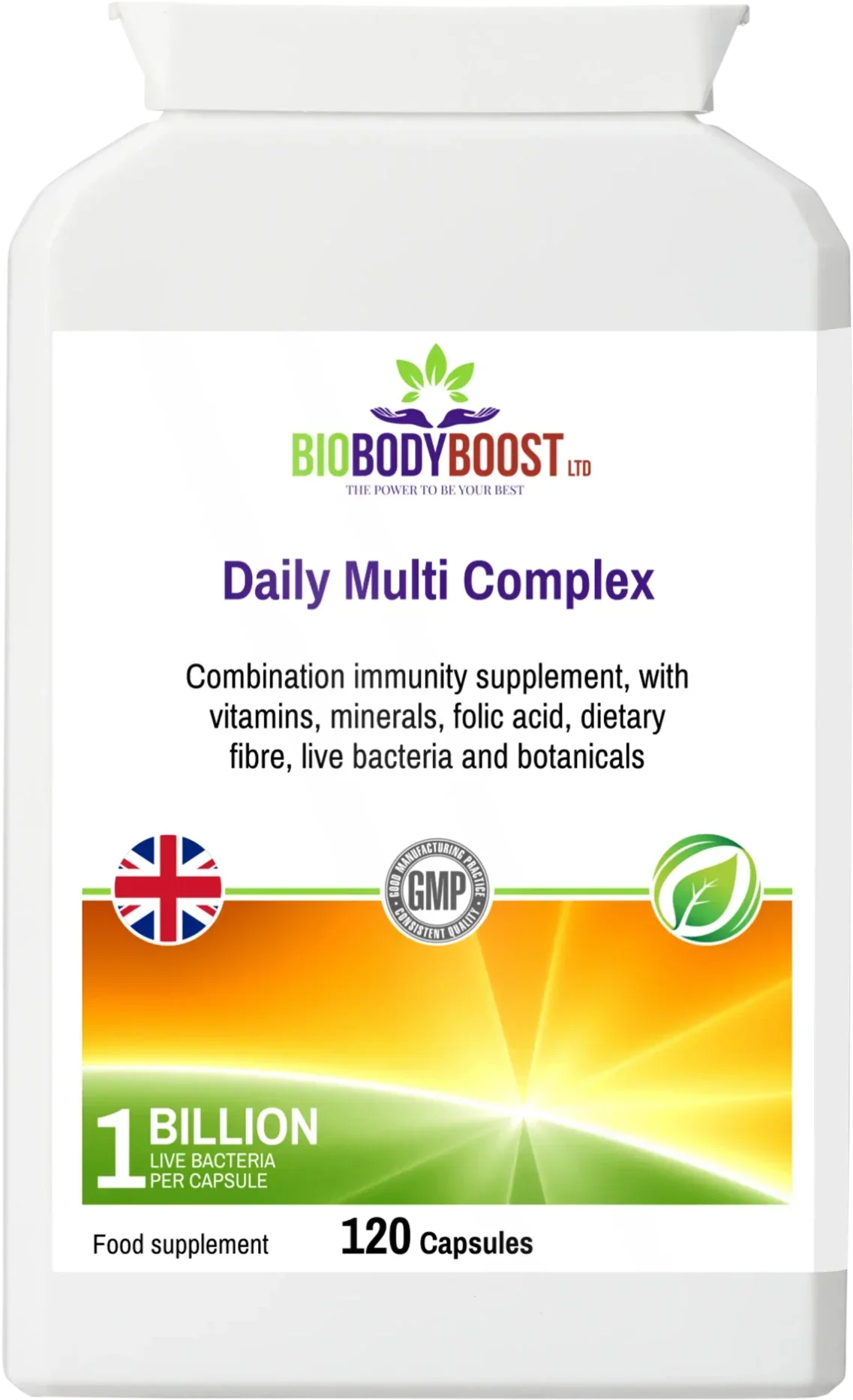
Daily Multi Complex by BioBodyBoost includes iron at a maintenance dose appropriate for daily supplementation in a halal certified, vegan formula. For diagnosed deficiency, a dedicated iron supplement under GP guidance is needed. Browse the full halal supplement range.