Written by the BioBodyBoost Team · August 2026 · Our standards →
Quick answer: fish oil is not automatically haram — fish is halal in all major schools of thought — but omega-3 supplements often fail on the capsule: standard softgels use bovine or porcine gelatine. A halal omega-3 needs either verified halal gelatine, a plant-derived capsule, or an algae-oil formula. Certification covering the whole supply chain is the only way to know without guessing.
Where omega-3 supplements go wrong for halal buyers
The capsule, not the oil. Fish oil itself is permissible; the gelatine softgel around it usually is not verified. This single detail disqualifies most supermarket fish oils.
Undeclared carriers. Vitamin E (as antioxidant), flavourings and lemon oils are usually fine but rarely documented for halal compliance.
"Suitable for vegetarians" confusion. A vegetarian label on an omega product usually signals algae oil — good — but says nothing about processing aids.
Your three halal omega-3 routes
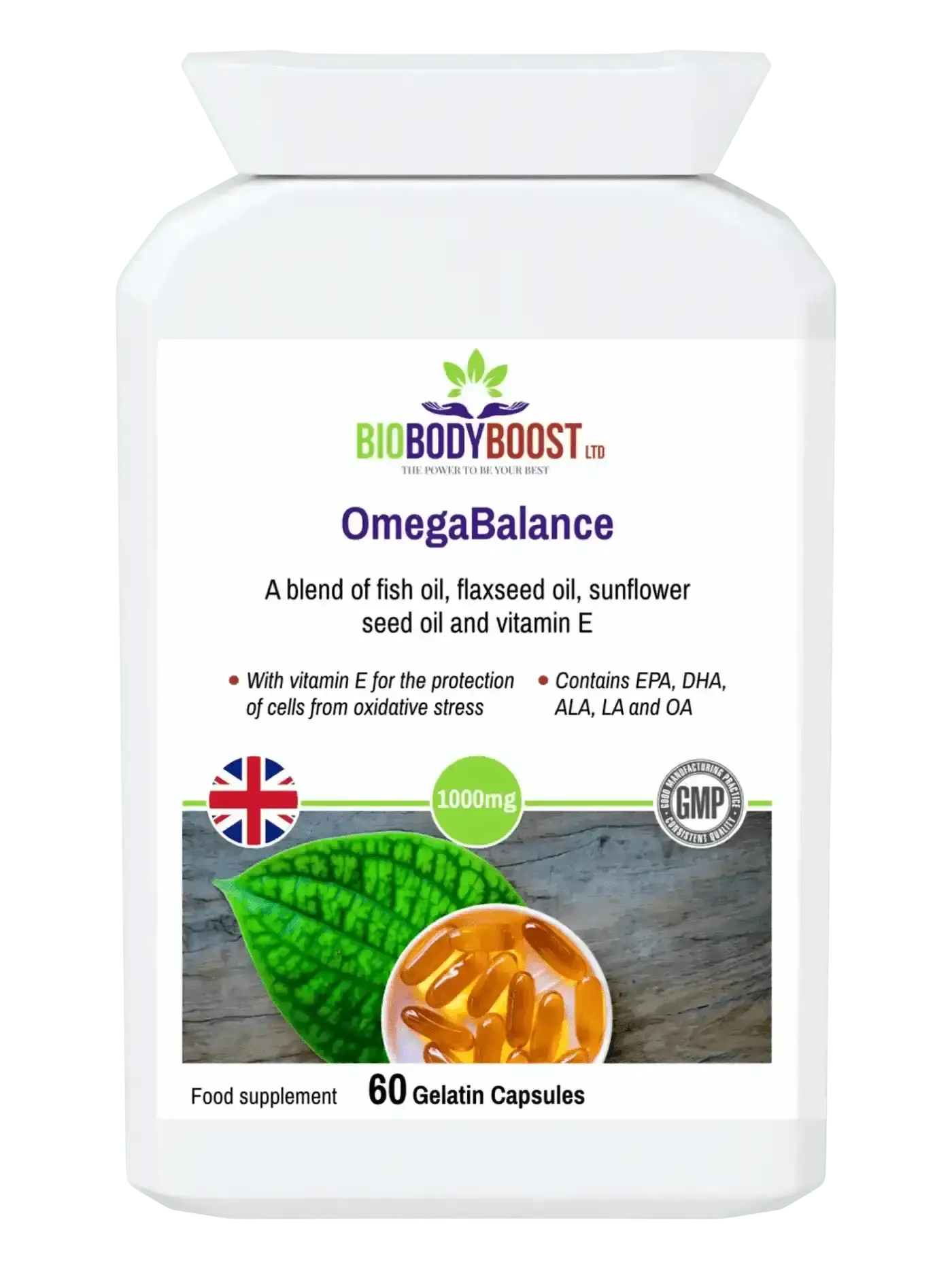
1. Halal-verified fish oil. OmegaBalance provides omega 3, 6 and 9 with full halal approval covering sourcing, processing and the capsule — UK made. Note it uses gelatin capsules with halal verification and is declared non-vegetarian accordingly, which is exactly the transparency this category usually lacks.
2. Krill oil — with a school-of-thought caveat. AstaxaKrill pairs krill-bound EPA/DHA with natural astaxanthin in the phospholipid form studied for superior absorption. Krill is a crustacean: the Hanafi school restricts non-fish seafood while the other major schools permit it, so check the product page's current dietary declarations and apply your own standard — buyers following the stricter position should choose fish or algae oil instead. Full comparison: krill oil vs fish oil.
3. Algae oil. The fully plant-based route — same EPA/DHA molecules the fish got from algae in the first place. How it stacks up against fish oil is covered in our fish oil vs algae oil comparison.
What dose matters
Look past "1000mg fish oil" on the front — the EPA + DHA line on the back is the active dose. Most evidence for cardiovascular support (covered in our heart health evidence guide) uses 250–1000mg combined EPA/DHA daily. ALA from flaxseed converts at under 10% efficiency and is not a substitute.
Frequently asked questions
Is fish oil halal in Islam?
Fish is halal across the major schools, so the oil is permissible — the capsule and processing are what require verification.
Is krill halal?
It depends on the school of thought: krill is a crustacean, which the Hanafi position restricts while other major schools permit. Check each product's current dietary declarations and follow your own standard — fish oil or algae oil are the unambiguous routes.
Can children take halal omega-3?
Yes at age-appropriate doses — check individual product guidance and speak to a pharmacist for under-5s.
Explore Halal Vitamins UK.
Food supplements should not replace a varied diet or healthy lifestyle. If you take anticoagulant medication, speak to your GP before high-dose omega-3.