Omega-3 is where halal supplement shopping gets genuinely tricky — not because of the oil, but because of what surrounds it.
Is fish oil halal?
Fish is halal in the majority of Islamic schools of thought, but most omega-3 supplements are sold in gelatine softgel capsules that may be bovine or porcine — so the capsule, not the oil, is what usually determines halal status.
This catches people out constantly. The ingredients panel reads reassuringly — fish oil, vitamin E — while the capsule material appears further down, or only as "gelatine" with no species named. Unspecified gelatine should be treated as unverified.
The three omega-3 sources compared
Fish oil gives you EPA and DHA directly, at the lowest cost per gram. Halal status depends entirely on the capsule and the certification of the facility.
Krill oil delivers omega-3 bound to phospholipids alongside naturally occurring astaxanthin. Two considerations: krill are crustaceans, whose permissibility varies between Islamic schools of thought, and krill oil is almost always encapsulated in bovine gelatine. Worth checking both points against your own position.
Algae oil is the original source — fish accumulate omega-3 by eating algae. Algae-derived DHA in an HPMC capsule is the cleanest route for anyone who is vegan, or who wants to avoid the gelatine question entirely. It costs more per gram of EPA/DHA.

What omega-3 is authorised to claim
EPA and DHA carry an authorised claim: EPA and DHA contribute to the normal function of the heart, at a daily intake of 250mg. DHA additionally carries claims for the maintenance of normal brain function and normal vision at the same intake. Those are the claims — anything broader is not authorised.
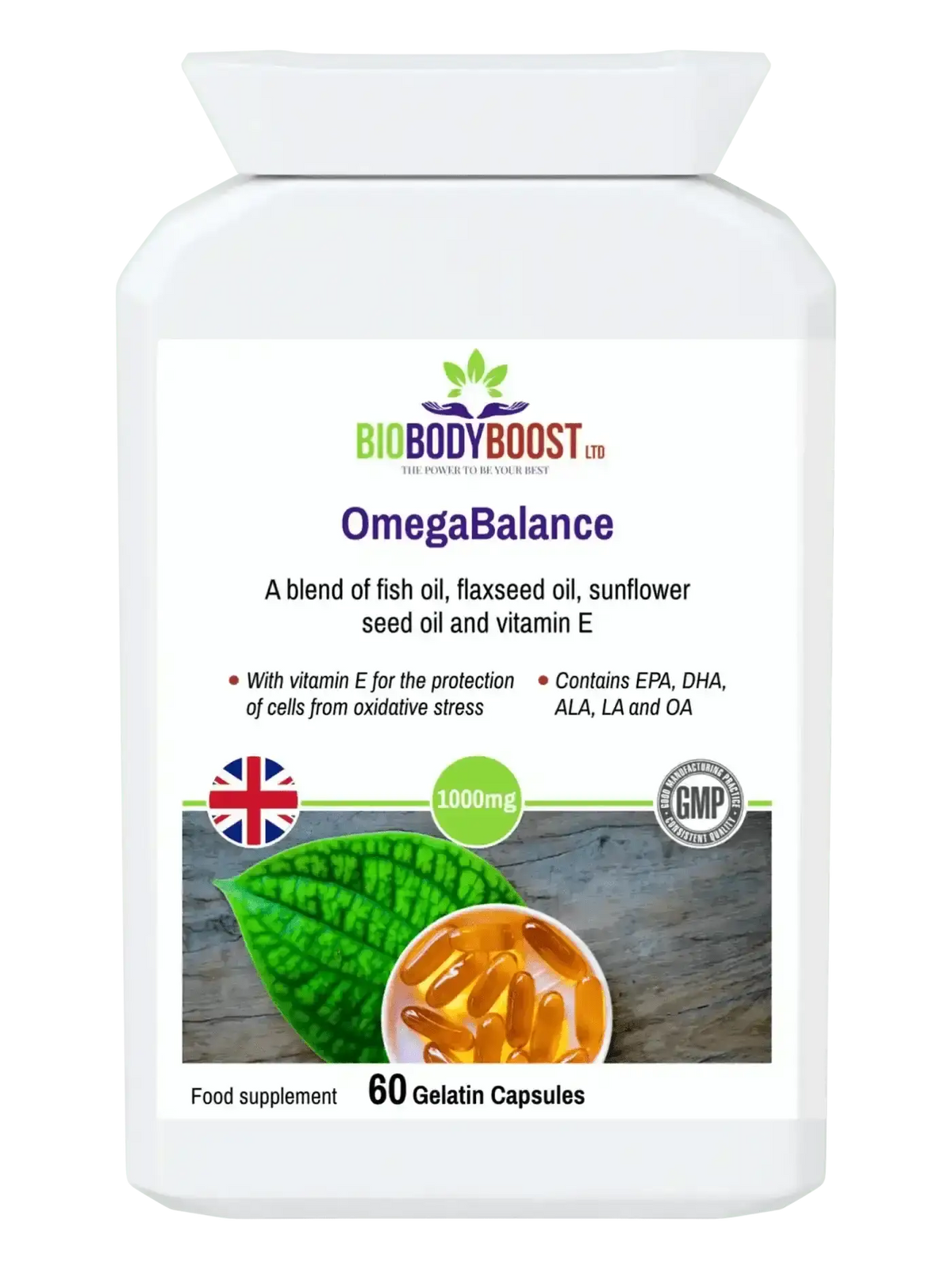
Our OmegaBalance Omega 3-6-9 is halal approved at 1000mg per capsule, combining fish and flaxseed oils. It is a gelatine softgel, so it is not vegetarian or vegan — we state that plainly rather than leaving it in the small print. For the phospholipid route, AstaxaKrill Antarctic Krill Oil is halal approved with astaxanthin, in a bovine gelatine capsule, and contains crustacean.
Reading an omega-3 label properly
- Find the capsule material before anything else — species-named gelatine, or HPMC.
- Check EPA and DHA amounts, not just total oil weight. A 1000mg capsule is not 1000mg of omega-3.
- Look for halal certification of the facility, not just a permissible ingredient list.
- Note allergen declarations — fish and crustacean are both UK-declarable allergens.
Questions we get asked
Is krill oil halal?
Krill are crustaceans, and views differ between Islamic schools of thought on shellfish. Where crustaceans are accepted, the remaining question is the capsule shell. If you follow a school that does not permit crustaceans, fish or algae oil is the appropriate choice.
Is there a vegan omega-3?
Yes — algae-derived DHA. Flaxseed provides ALA, which the body converts to EPA and DHA only inefficiently, so algae is the better vegan source if EPA and DHA are your goal.
How much omega-3 per day?
The authorised heart claim applies at 250mg combined EPA and DHA daily. Follow the product label and do not exceed the stated intake.
Browse the full Halal Vitamins UK collection for certified options.
Food supplements should not be used as a substitute for a varied diet and healthy lifestyle. Consult your GP before use if pregnant, breastfeeding or taking prescription medication.