When supplement brands talk about “gut health,” they almost always focus on probiotic CFU counts — how many bacteria per capsule. But the most important gut health metric is diversity: the number of different bacterial species and their relative balance. A gut with 200 species of bacteria at modest numbers is far healthier than a gut dominated by 10 species at high numbers. No single probiotic supplement creates diversity — that requires a different approach entirely.
What Is Gut Microbiome Diversity and Why Does It Decline?
A healthy human gut contains approximately 500–1,000 different microbial species, with total microbiome weight of approximately 1–2kg. The composition is as individual as a fingerprint but diversity levels are measurable and comparable across populations. Modern UK diets and lifestyles have significantly reduced average diversity compared to pre-industrial populations:
- Processed food diets — high in refined carbohydrates, low in fibre. The microbiome feeds on dietary fibre; a low-fibre diet starves beneficial bacteria into extinction.
- Antibiotic use — each antibiotic course significantly reduces microbiome diversity. UK antibiotic prescribing rates are among the highest in Europe. Diversity often does not fully recover without active intervention.
- Caesarean birth — babies delivered by C-section miss initial colonisation from maternal vaginal microbiome during birth, producing different baseline diversity that persists for years.
- Formula feeding — breast milk contains human milk oligosaccharides (HMOs) that specifically feed Bifidobacterium in infants; formula-fed babies have significantly different early microbiome development.
- Reduced environmental microbial exposure — urbanisation, reduced contact with soil, plants and animals reduces the microbial inputs that historically populated and diversified the gut.
Why Does Microbiome Diversity Matter?
Research consistently links microbiome diversity with:
- Immune function — 70–80% of immune cells reside in gut-associated lymphoid tissue (GALT). Diverse microbiomes produce more varied short-chain fatty acids and immune modulatory compounds, producing more balanced immune responses.
- Mental health — the gut-brain axis bidirectionally connects microbiome composition to mood and cognition. Low diversity is consistently associated with depression and anxiety in multiple population studies.
- Metabolic health — diversity correlates inversely with obesity, insulin resistance and type 2 diabetes risk. Specific bacterial species produce metabolites that improve insulin sensitivity and reduce inflammatory metabolic endotoxaemia.
- Longevity — centenarian populations consistently show higher gut microbiome diversity than age-matched controls in cross-sectional studies.
What Actually Improves Gut Microbiome Diversity?
30 different plant foods per week — the most powerful intervention
Research from the American Gut Project (the largest microbiome study ever conducted) found that eating 30 different plant foods per week was the single strongest predictor of gut microbiome diversity — more significant than whether someone was vegan, vegetarian or omnivore. Each plant species feeds different bacterial species. The diversity of plant food input creates diversity of microbial populations. “Plant foods” includes fruits, vegetables, whole grains, legumes, nuts, seeds, herbs and spices — each variety counts separately. This is achievable with intentional variety; it does not require large quantities of each food.
Fermented foods — seeding new species
A landmark 2021 Stanford RCT published in Cell found that a high-fermented-food diet (kimchi, kefir, yoghurt, kombucha, sauerkraut) over 10 weeks significantly increased microbiome diversity and reduced 19 inflammatory markers — outperforming a high-fibre diet alone for diversity gains. Fermented foods introduce live bacteria into the gut that contribute to and interact with existing populations. For UK Muslims: halal-compatible fermented options include yoghurt (if halal-certified), kefir from halal sources, kimchi (check for fish sauce — many traditional versions use it) and halal-certified kombucha.
Prebiotic fibre — feeding what you have
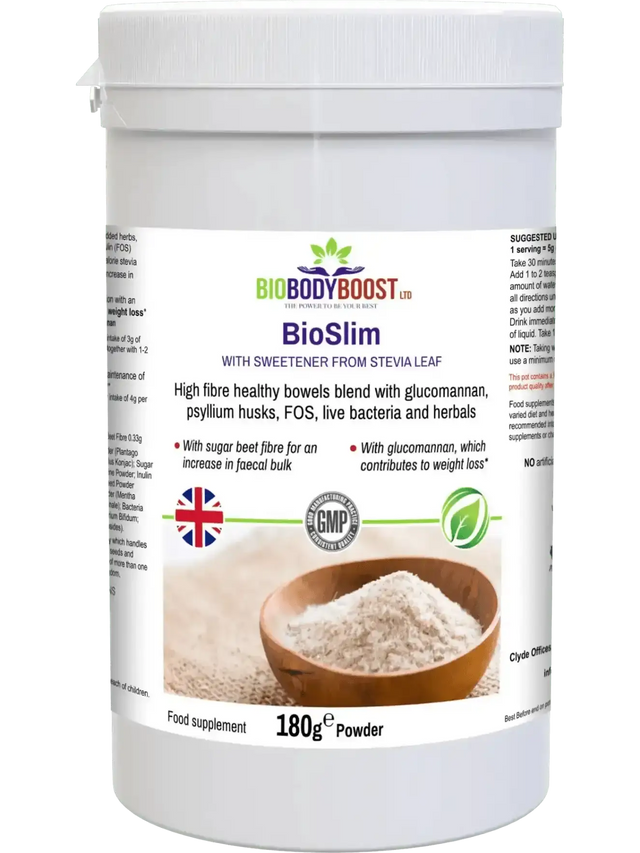
Prebiotic fibres (inulin, FOS, psyllium husk, beta-glucan, resistant starch) feed existing beneficial bacteria, allowing them to expand. Diversity cannot grow without an adequate food supply. Key prebiotic sources: garlic, onions, leeks, asparagus, oats, Jerusalem artichoke, green banana, chicory root. Supplement prebiotic options: psyllium husk, inulin capsules.
Multi-strain probiotics — restoring depleted species
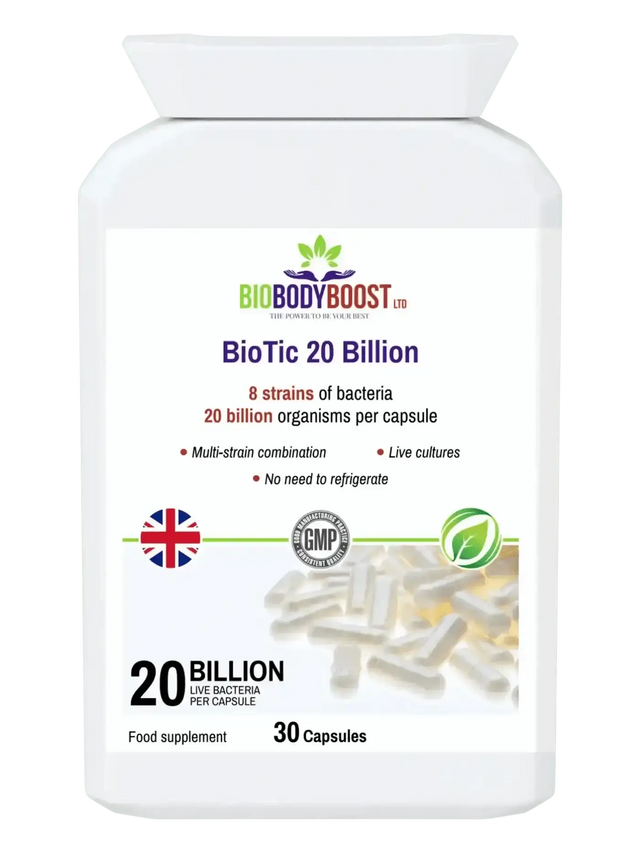
After antibiotics or following low-diversity periods, multi-strain probiotics help re-introduce bacterial species that have been depleted. The key word is multi-strain — single-strain products add one species; diverse products introduce many. A 6–8 strain probiotic at 20 billion CFU is more relevant for diversity restoration than a single-strain product at 50 billion CFU.
What Does NOT Improve Gut Diversity
- A single probiotic strain alone — adds one species without helping the existing population thrive
- Low-fibre “gut health” products that are primarily laxatives
- Gut “cleanses” — flush out beneficial bacteria along with everything else
- Bone broth alone — no evidence for diversity impact despite its gut health marketing
BioTic 20 Billion — 8 strains, 20 billion CFU, the multi-strain formula for diversity restoration. BioSlim — psyllium husk prebiotic to feed existing diverse populations. Daily Multi Complex — includes 1 billion CFU daily maintenance probiotic alongside comprehensive vitamins. All halal certified, vegan, UK GMP. Browse the gut health range.