If your training is solid but your recovery feels patchy, your supplement routine may be the weak point. A smart guide to vegan sports nutrition supplements is not about taking more products - it is about choosing the few that actually support energy, hydration, strength gains and muscle recovery without upsetting your gut or cutting across your values.
Plant-based athletes and active adults often hear the same tired line that vegan nutrition is automatically harder for performance. The reality is more useful than that. You can absolutely support strength, endurance and recovery on a vegan diet, but you do need to be a bit more deliberate with a few nutrients. That is where supplements earn their place - not as a shortcut, but as a clean, targeted upgrade to a diet that is already doing most of the work.
What this guide to vegan sports nutrition supplements should help you do
The goal is simple. You want enough protein to repair muscle, enough micronutrient support to keep energy production moving, and enough hydration and recovery support to train again without feeling wrecked. The best vegan sports supplements help close predictable gaps while fitting easily into daily life.
That means looking past hype. You do not need a cupboard full of powders and capsules. Most people do better with a short, well-chosen stack based on their training style, diet quality and how they actually feel week to week.
Start with the foundations, not the flashy extras
Before spending money on niche performance products, get the basics right. For most active people, that means protein, creatine, electrolytes and a few key nutrients that can be lower in vegan diets, such as vitamin B12, vitamin D and omega-3 fats from algae.
This matters because poor recovery is not always a training problem. Sometimes it is simply low protein intake across the day, under-fuelling around sessions, or trying to push through fatigue while hydration and micronutrient status are off. Supplements can support daily performance, but only if they are solving a real need.
Protein powders for muscle repair and steady progress
Protein is usually the first place people look, and for good reason. If you are training for muscle gain, improved body composition or faster recovery, a vegan protein powder can make your routine more consistent. That is especially helpful if busy mornings, post-gym commutes or low appetite make whole-food meals difficult.
The best option is usually a blend rather than a single plant source. Pea and rice protein together tend to give a stronger amino acid profile than either alone, with better support for muscle protein synthesis. Soya protein can also be a strong choice if it suits your digestion and preferences. What matters most is the total protein per serving, the amino acid quality and whether the formula is clean enough to use daily.
Watch the label closely. Some powders look impressive until you notice they are padded out with gums, sweeteners or low-value fillers. A clean-label formula with a useful protein dose and third-party testing is a better long-term choice than a flashy tub that leaves you bloated.
Creatine is not just for bodybuilders
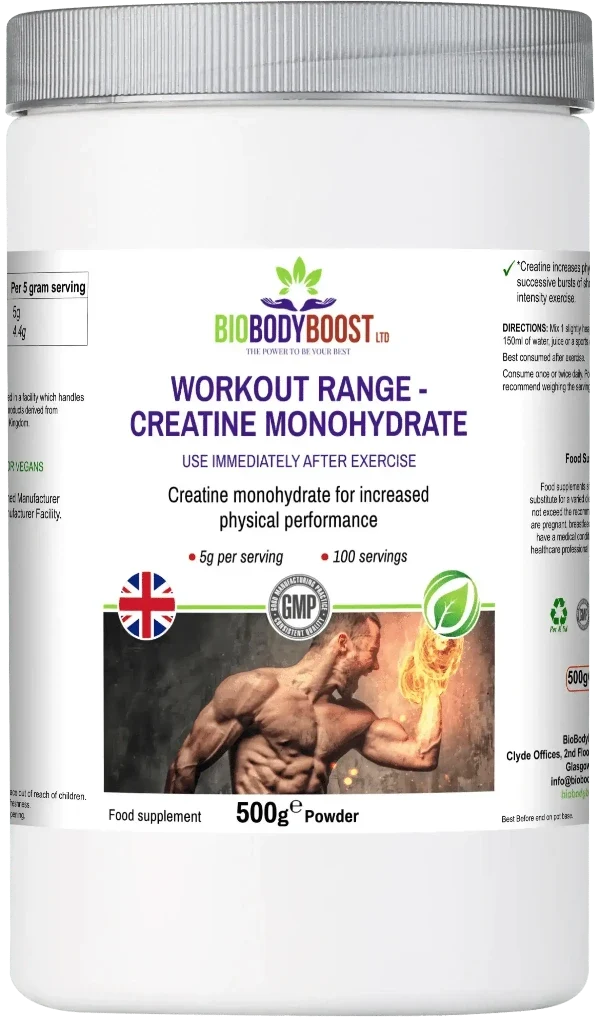
If there is one supplement that deserves more attention in any guide to vegan sports nutrition supplements, it is creatine monohydrate. It is one of the most researched sports supplements available and can support strength, power output and training capacity. It may also help with recovery between hard efforts.
This is especially relevant for vegans because creatine is found naturally in animal foods, which means plant-based eaters often start with lower stores. In practical terms, that can make supplementation more useful rather than less. If you lift weights, do sprint work, play team sports or want to train harder with better repeat performance, creatine is often worth considering.
It is not magic, and it does not replace progressive training or enough food. But for a simple, research-backed daily supplement, it offers unusually good value.
Electrolytes for performance without the crash
Not every poor session is down to motivation. If you are training hard, sweating heavily or doing longer sessions, hydration can slip faster than you think. Water matters, but electrolytes help your body hold onto that fluid and support muscle function.
A good electrolyte formula can be useful before or during training, especially in warm weather, during long runs, demanding gym sessions or fasted morning exercise. It can also help if you are someone who finishes a workout feeling drained, headachy or flat for the rest of the day.
The trade-off is that not everyone needs them every day. If your sessions are short and light, plain water and a balanced diet may be enough. But if your training leaves salt marks on your kit or that washed-out feeling afterwards, electrolytes are more than a nice extra.
B12, vitamin D and omega-3 support the bigger picture
Performance is not just what happens during an hour in the gym. It is also about energy, resilience and whether your body can adapt well over time. For plant-based adults, vitamin B12 is non-negotiable. It supports normal energy metabolism and nervous system function, and low intake can quietly chip away at how you feel.
Vitamin D is another common one to watch in the UK, where darker months can make it harder to maintain healthy levels through sunlight alone. If your mood, immunity or recovery feels off in winter, this is worth taking seriously.
Then there is omega-3. Many active people focus on protein and forget fats entirely, yet omega-3s can support general health and recovery. A vegan algae-based source is the cleanest fit for a plant-based routine. It is not a fast-acting gym supplement, but it can be a smart long-term addition.
What about greens, superfoods and adaptogens?
This is where things get more personal. Greens powders and superfood blends can be useful for people whose food intake is inconsistent, especially during stressful weeks when meals become rushed and vegetables get pushed aside. They are not a replacement for proper eating, but they can support everyday nutrient intake and help you stay on track.
Adaptogens and botanical blends are more situational. If your biggest barrier to training is stress, poor sleep or that wired-but-tired feeling, they may have a place in your routine. But they are not core sports supplements in the same way protein or creatine are. Think of them as support for the system around performance rather than direct drivers of strength or endurance.
How to choose the right vegan sports supplement
The best supplement plan depends on what kind of training you do and what keeps getting in the way. If muscle soreness lingers for days, start with protein quality and total intake. If your strength stalls despite solid programming, creatine may help. If energy dips hard halfway through long sessions, hydration and fuelling deserve attention.
Quality matters just as much as category. Look for clearly labelled doses, transparent ingredients and third-party testing. If a formula hides behind a proprietary blend or leans too hard on marketing claims without saying how much of anything is inside, treat that as a warning sign.
It also helps to be realistic about digestion. The cleanest ingredient list in the world is no use if it leaves you uncomfortable. Some people do well with soya, others prefer pea and rice blends, and some need to avoid overly sweetened powders altogether. Your best product is the one you can actually use consistently.
A simple routine usually works best
For most active adults, a practical stack is not complicated. A high-quality vegan protein powder covers recovery and convenience. Creatine supports strength and output. Electrolytes help on hard training days. B12 and vitamin D support baseline health, with algae omega-3 as a smart addition for wider resilience.
That is enough for many people. You can always layer in more targeted support later, but starting simple makes it easier to notice what is genuinely helping. It also keeps your routine sustainable, which matters far more than enthusiasm for one week.
If you want products that match a clean-label, plant-based approach, BioBodyBoost keeps things focused on research-backed formulas designed to fit real routines rather than fantasy lifestyles. That is exactly how sports nutrition should work - clear purpose, better absorption, no unnecessary fuss.
The biggest mistake to avoid
Do not use supplements to patch over chronic under-eating, poor sleep or inconsistent training. They can sharpen a good routine, but they cannot rescue a chaotic one. The strongest results usually come from small upgrades repeated daily - enough protein, smart hydration, reliable micronutrient support and ingredients that help you recover well enough to go again.
Your supplement routine should make training feel more supported, not more complicated. If you feel stronger, recover faster and move through the week with steadier energy, you are on the right track.