
Is Creatine Monohydrate Vegan?

Is Creatine Monohydrate Vegan?

That last rep feels heavier than it should. Your legs are still carrying yesterday’s session. Or maybe you eat well, train consistently, and still feel like your power output stalls too early. For many plant-based eaters, that’s where creatine gets interesting.

Creatine is one of the most researched sports nutrition ingredients available, yet it still causes confusion for vegan shoppers. Is it animal-derived? Does it fit a clean-label routine? And does it actually make a noticeable difference beyond the gym? If you’re looking at a creatine monohydrate vegan supplement, the short answer is yes - it can be fully vegan, and for many people it’s one of the simplest daily upgrades for strength, recovery and performance.

What makes a creatine monohydrate vegan supplement vegan?

Creatine itself is a compound your body naturally stores in muscles and uses to help produce quick energy during high-intensity effort. It’s also found in animal foods, especially meat and fish, which is exactly why vegan and vegetarian diets tend to provide less of it through food alone.

That does not mean creatine supplements have to come from animals. A creatine monohydrate vegan supplement is usually made synthetically in controlled manufacturing, rather than extracted from animal tissue. That makes it suitable for vegan lifestyles when the full product is also free from animal-based capsules, fillers, flavour systems or processing aids.

This is where label quality matters. Some formulas are straightforward and clean. Others add sweeteners, colourings or unnecessary extras that do little for results. If you want a supplement that fits a plant-based, everyday wellness routine, the better option is a simple formula with clear sourcing, third-party testing and no hidden compromise.

Why creatine can matter more on a plant-based diet

People often think of creatine as a bodybuilding ingredient, but that’s too narrow. Yes, it is well known for supporting strength, power and muscle performance. But it can also be useful for anyone who wants better training output, faster recovery between sessions, and more consistency from their efforts.

For vegans, there’s another layer. Because dietary creatine intake is typically lower without meat or fish, baseline muscle creatine stores may also be lower. That means supplementation can have a more noticeable effect in some plant-based individuals than it does in regular meat eaters.

That does not mean everyone will respond in exactly the same way. Training style, muscle mass, diet quality and consistency all play a part. But if you follow a vegan diet and want support for explosive training, repeated effort and workout recovery, creatine monohydrate is one of the most evidence-backed places to start.

Why creatine monohydrate still leads the pack

You’ll see plenty of creatine forms marketed as more advanced, more soluble or more effective. In reality, creatine monohydrate remains the benchmark because it has the strongest research behind it, it’s widely used, and it tends to deliver exactly what most people want without complication.

That matters if your goal is simple: train well, recover well, and keep your routine sustainable. A clean creatine monohydrate vegan supplement doesn’t need to be flashy. It needs to be pure, properly dosed and easy to take every day.

Monohydrate is also usually the most cost-effective option, which makes it more realistic for long-term use. And long-term consistency is where the benefits show up. This is not a stimulant and not a quick fix. It works by gradually increasing muscle creatine stores over time.

What benefits can you realistically expect?

The main reason people take creatine is to support high-intensity performance. That includes sprint work, resistance training, functional fitness, team sports and any session where short bursts of effort matter. You may notice better output on repeated sets, a stronger finish during hard intervals, or improved recovery between bouts of effort.

For many users, the real win is not a dramatic overnight change. It’s being able to maintain quality for longer. You get a little more from your training, and over weeks that can translate into better progress.

Creatine may also support lean mass gains when paired with resistance training, simply because it helps you train harder and recover more effectively. Some people also report that sessions feel less flat and more productive. If your workouts have been consistent but underpowered, this is where creatine often earns its place.

There is also growing interest in creatine beyond sport, including cognitive performance and everyday energy demands, though those areas are more individual and depend on the wider picture of sleep, nutrition and stress. It’s promising, but it should be viewed as support, not a replacement for the basics.

How to take a creatine monohydrate vegan supplement

For most adults, 3 to 5 grams per day is the standard effective range. You can take it with water, mix it into a shake, or add it to part of your existing routine. Timing is far less important than consistency. The best time is the time you’ll actually remember.

Some people choose a loading phase, often around 20 grams daily split into smaller servings for five to seven days, followed by a maintenance dose. This can saturate muscle stores faster, but it is not essential. A steady daily intake of 3 to 5 grams will still get you there, just more gradually.

If you prefer a gentler start, skip the loading phase. That approach suits many people and often feels easier on digestion. The key is daily use, not overcomplicating the process.

Will it cause bloating or water retention?

This is one of the most common concerns, especially among people who want performance support without feeling heavy. Creatine does increase water stored within muscle cells, which is part of how it supports training performance. That is different from the puffy, uncomfortable feeling people often worry about.

Some users notice a small increase in body weight, particularly in the early stages. For athletes focused on power, strength or recovery, that is usually not a downside. For someone in a weight-category sport or during a strict cutting phase, it may need a bit more thought.

Digestive issues are possible, but they are often linked to taking too much at once or using lower-quality products with unnecessary additives. A clean, well-made monohydrate powder at the right dose is typically straightforward for most people.

What to look for on the label

Not all vegan-friendly supplements are equal. If you want something that fits a clean, plant-based wellness routine, look beyond the front-of-pack claims.

Purity matters first. Creatine monohydrate should be the main event, not buried inside a blend with underdosed extras. Third-party testing adds another layer of confidence, especially if you care about quality, consistency and avoiding contaminants.

It also helps to check whether the product is unflavoured or lightly formulated without artificial fillers. If you already use protein, greens or hydration products, a clean creatine is easier to stack into your routine without flavour clashes or ingredient overload.

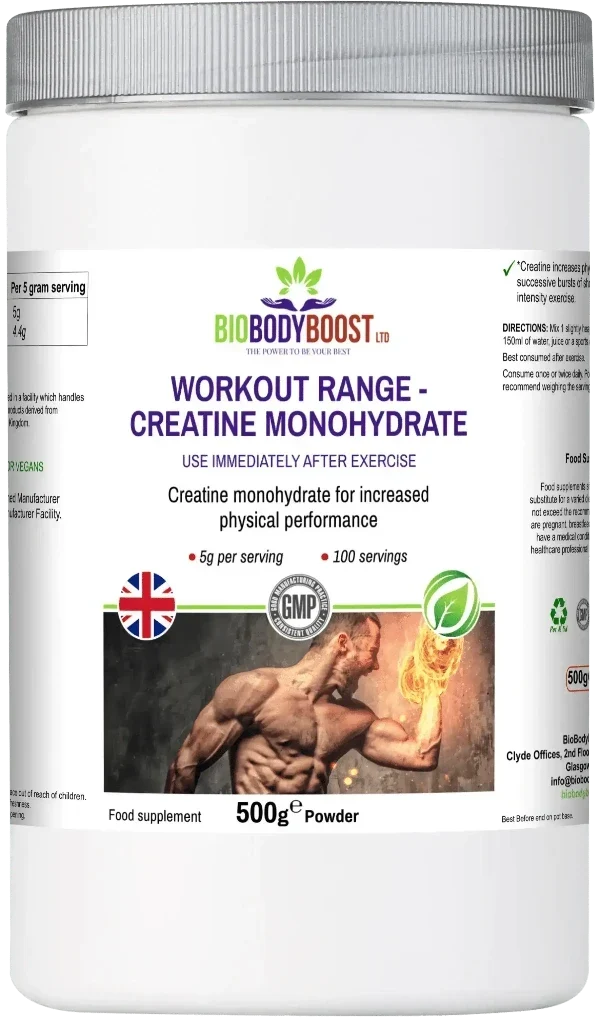
For shoppers who want that plant-based, research-backed balance, BioBodyBoost’s approach at https://biobodyboost.co.uk reflects what matters most - clean-label thinking, vegan compatibility and daily performance without unnecessary clutter.

Who should consider it, and who might not need it?

If you train regularly, follow a vegan or vegetarian diet, and want better support for strength, recovery or repeated effort, creatine is worth serious consideration. It also makes sense for people who like keeping supplementation simple. You do not need a complicated sports nutrition stack to see value from it.

If your activity is very light and performance is not a priority, you may not feel the same clear benefit. That doesn’t make it useless, just less essential. It depends on your goals.

And as with any supplement, personal context matters. If you have a medical condition, are pregnant, breastfeeding, or taking medication, it’s sensible to speak with a qualified healthcare professional before adding anything new.

The bottom line on vegan creatine

A creatine monohydrate vegan supplement is one of the few sports nutrition basics that genuinely lives up to the research. It fits plant-based lifestyles, supports real-world training output, and does not need a complicated routine to work. The best version is usually the simplest one - pure, tested, easy to take, and consistent with the way you already look after your health.

If your goal is stronger sessions, better recovery and more from the effort you’re already putting in, creatine is less about chasing hype and more about backing your body with something proven. Start simple, stay consistent, and let your training tell you the difference.

0 comments

Leave a comment

Please note, comments need to be approved before they are published.