
School lunches, rushed mornings, picky eaters, late workouts, dark winter commutes - family nutrition rarely looks perfect on paper. A practical guide to vegan family vitamins helps cut through that noise and focus on what actually matters: covering the nutrients that are harder to get consistently on a plant-based diet, without turning daily wellness into a full-time job.
A well-planned vegan diet can support every stage of family life, but “well-planned” is the key phrase. Some nutrients are easy to cover with everyday foods. Others are less reliable, especially for children, teenagers, busy adults and older relatives with different appetites, routines and absorption needs. That is where a smart supplement routine can earn its place.
Why a guide to vegan family vitamins matters
The challenge is not that vegan diets are lacking by default. The challenge is consistency. One person in the house loves fortified cereal, another skips breakfast. One child will eat beans happily, another treats anything green as a personal insult. Add seasonal shifts, illness, stress, sport and growth spurts, and nutrient intake can swing more than most families realise.
That is why a family approach works better than random supplement buying. Instead of chasing every trend, focus on the vitamins and nutrients most likely to need support. This keeps things simpler, more cost-effective and easier to stick with long term.
The nutrients most vegan families should think about
Vitamin B12
If there is one non-negotiable in any guide to vegan family vitamins, it is B12. This vitamin supports energy metabolism, nerve health and red blood cell formation. It is not reliably available from unfortified plant foods, so vegan families need a dependable source through fortified foods, supplements or both.
For adults, low B12 can creep up slowly, showing up as fatigue, brain fog or tingling sensations. In children, adequate intake matters for growth and neurological development. Because intake from fortified foods can vary day to day, many families prefer a straightforward supplement routine rather than trying to calculate every microgram from breakfast cereals and plant milks.
Vitamin D
In the UK, vitamin D deserves year-round attention, especially from autumn to spring when sunlight is limited. It supports immune function, bones, teeth and muscle performance. Even families who eat well can come up short, because food sources are limited and sunshine is unpredictable.
For vegan households, a plant-based vitamin D3 or D2 supplement can help maintain steady levels. This is particularly useful for children who spend more time indoors, adults working long office hours and older family members whose skin may make vitamin D less efficiently.
Iodine
Iodine often gets missed in vegan nutrition conversations, but it plays a central role in thyroid function and healthy metabolism. Traditionally, many people get iodine from dairy and seafood. On a vegan diet, intake can be inconsistent unless fortified foods or supplements are used.
Seaweed is sometimes treated as the obvious answer, but it is not always the most predictable one. Some seaweed products contain very high levels, while others vary widely. For families, consistency beats guesswork. A measured supplement can be a cleaner, safer option than relying on occasional seaweed snacks.
Omega-3 fats
Omega-3s support brain health, vision and heart health. Plant foods like flax, chia and walnuts provide ALA, which is useful, but the body converts only a limited amount into EPA and DHA. That conversion rate varies from person to person.
For many vegan families, especially during pregnancy, breastfeeding, childhood or later life, an algae-based omega-3 is worth considering. It is a direct vegan source of DHA and EPA and can be a practical daily upgrade for cognitive support and long-term health.
Iron
Iron is not automatically low on a vegan diet, but needs can be higher at certain life stages and plant-based iron is absorbed less efficiently than iron from animal foods. Girls during adolescence, menstruating adults, endurance athletes and children in growth phases may need closer attention.
Beans, lentils, tofu, seeds, leafy greens and fortified cereals all help. Pairing iron-rich meals with vitamin C can improve absorption. Not every family member needs an iron supplement, though. Too much is not a win, so this is one nutrient where individual need matters more than blanket supplementation.
Calcium and zinc
Calcium matters for bones, teeth and muscle function, while zinc supports immunity, skin health and repair. Some vegan families cover these well through fortified plant milks, calcium-set tofu, nuts, seeds and legumes. Others do not, especially if food variety is limited.
If a child avoids fortified dairy alternatives or an adult has a restricted appetite, these nutrients can be worth reviewing. Again, this is less about panic and more about pattern. What does intake look like over a week, not just one healthy dinner?
Different ages, different priorities
Children
Children need enough energy and nutrients to support rapid growth, immunity and concentration. The biggest issue is usually not ideology - it is unpredictability. One week they love porridge and berries, the next they survive on toast and beige snacks.
For vegan children, B12 and vitamin D are usually front and centre. Depending on diet variety, iodine, omega-3, iron and calcium may also need support. Supplements should be age-appropriate, clearly labelled and easy to take. A formula designed for adults is not automatically suitable just because it is plant-based.
Teenagers
Teenagers are often overlooked, yet they are one of the trickiest groups nutritionally. Growth is still happening, routines are erratic, school stress is high and food choices are not always driven by long-term thinking. Add sport, gym training or meal skipping, and demand rises fast.
This is where a simple daily multinutrient approach can help cover common gaps, with extra focus where needed. For some teens that means iron support, for others vitamin D, omega-3 or B12 consistency.
Adults
Adult needs vary widely. A parent training before work, another recovering from poor sleep, and a grandparent managing appetite changes will not all need the same formula. The goal is not more capsules. It is better targeting.
A good baseline for many vegan adults includes B12, vitamin D and possibly iodine and omega-3. From there, individual concerns like energy, digestion, recovery or joint comfort may shape the rest of the plan.
How to choose the right vegan vitamins for the whole family
Start with quality, not hype. Look for supplements that are clearly vegan, third-party tested and transparent about ingredient forms and dosages. “Natural” sounds good, but what matters more is whether the formula is research-backed, well absorbed and appropriate for the person taking it.
It also helps to avoid overcomplicated stacks. A family routine needs to be realistic enough to survive school runs, busy workdays and forgotten shopping lists. If a supplement plan feels exhausting by week two, it is not a good plan.
Taste, format and tolerance matter as well. Some children do better with liquids or chewables. Some adults prefer capsules with fewer fillers. If a supplement upsets the stomach or tastes dreadful, compliance drops fast. The best formula is the one your household will actually take consistently.
Food first, supplements where they count
Supplements work best when they support a solid food foundation, not replace it. Fortified plant milks, pulses, wholegrains, nuts, seeds, vegetables and fruit still do the heavy lifting for fibre, phytonutrients and broad-spectrum nutrition. No tablet can replicate that.
At the same time, there is no prize for making family nutrition harder than it needs to be. If B12, vitamin D or omega-3 are difficult to secure daily through food alone, supplementing is not failure. It is smart planning.
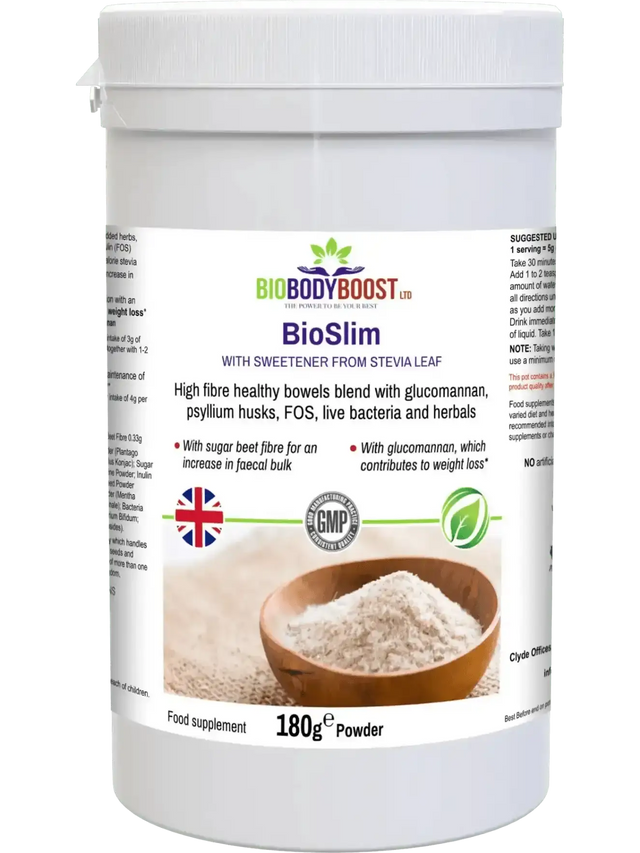
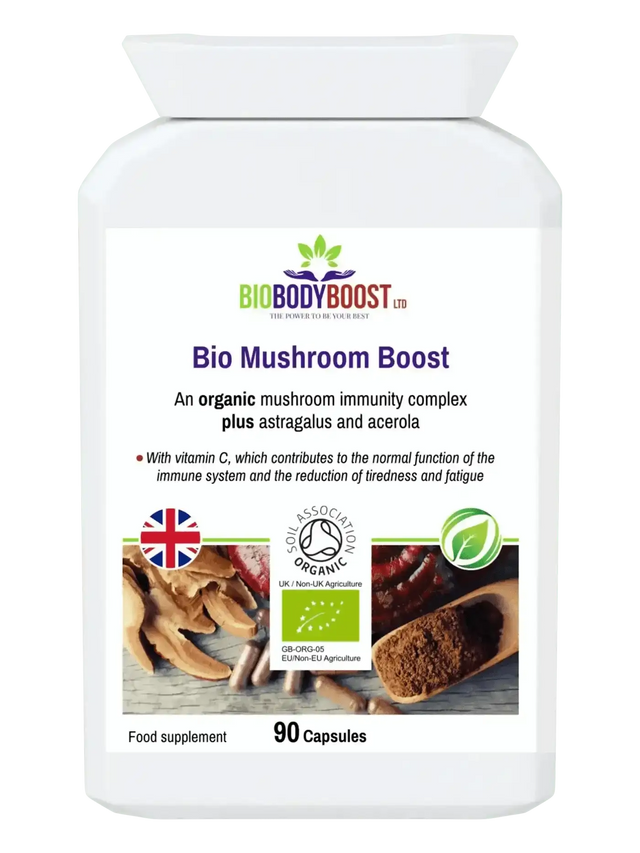
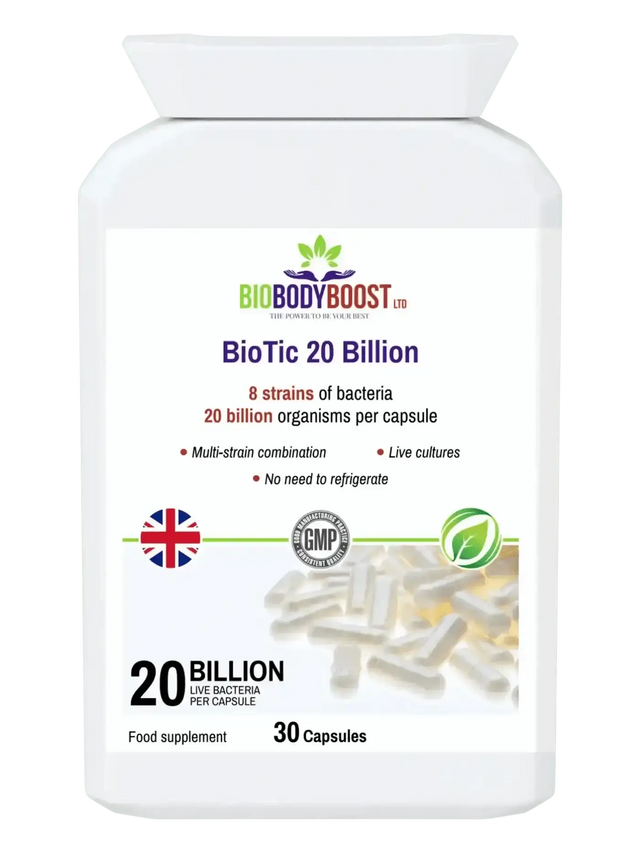
For health-conscious households who want clean-label support without the noise, this is where a well-formulated vegan supplement range can make life easier. BioBodyBoost’s approach to plant-based, research-backed daily support fits that practical mindset - simple routines, targeted benefits, no unnecessary fuss.
When personalised support makes more sense
Sometimes the right answer is not a one-size-fits-all family multivitamin. If someone in the household is pregnant, breastfeeding, highly active, recovering from illness, dealing with restricted eating or following medical advice, needs can shift quickly.
That is where personalised support becomes more useful than generic wellness shopping. The same goes for children with selective eating patterns or adults with digestive issues that may affect absorption. A targeted plan can be more effective than layering extra products and hoping for the best.
The smartest guide to vegan family vitamins is not the one with the longest checklist. It is the one that helps your household feel sharper in the morning, steadier through the week and more confident that the basics are covered. Start with the key nutrients, keep the routine realistic, and let consistency do the hard work.