

Quick answer: a vegan diet reliably falls short on a small, predictable list of nutrients — vitamin B12, vitamin D, iodine, iron, and long-chain omega-3 (EPA/DHA) — because the foods that provide them most efficiently are animal-derived. This isn't a flaw in plant-based eating; it's simply where the evidence points, and each gap has a well-established, effective fix. For UK Muslim vegans, there's a second layer worth knowing: some "vegan" supplements still carry halal ambiguity of their own (lanolin-derived vitamin D3 being the clearest example), so vegan and halal aren't always the same checkbox.
Vitamin B12 — the one with no real plant source
B12 is synthesised by bacteria, not plants or animals directly — animals accumulate it through their gut microbiome and diet, which is why meat, dairy and eggs are reliable sources and plants generally are not. The NHS identifies vitamin B12 deficiency as a specific risk for people following a vegan diet, with symptoms including fatigue, pins and needles, and mood changes if left uncorrected. Fortified foods (plant milks, nutritional yeast, some cereals) help, but intake through food alone is inconsistent enough that most dietetic guidance treats B12 supplementation as close to essential for vegans, not optional.
Vitamin D — a UK-wide gap that hits vegans twice
UK latitude means insufficient UVB sunlight for vitamin D synthesis for roughly six months of the year regardless of diet — which is why the NHS recommends everyone in the UK consider a 10 microgram (400 IU) vitamin D supplement, particularly October to March. Vegans face an added complication: the most common commercial vitamin D3 is derived from lanolin (sheep's wool grease), which is an animal by-product. Algae-derived D3 avoids this entirely, giving vegans a form that's unambiguously plant-sourced rather than relying on the "lanolin isn't slaughter, so most scholars permit it" argument that applies to halal status specifically.
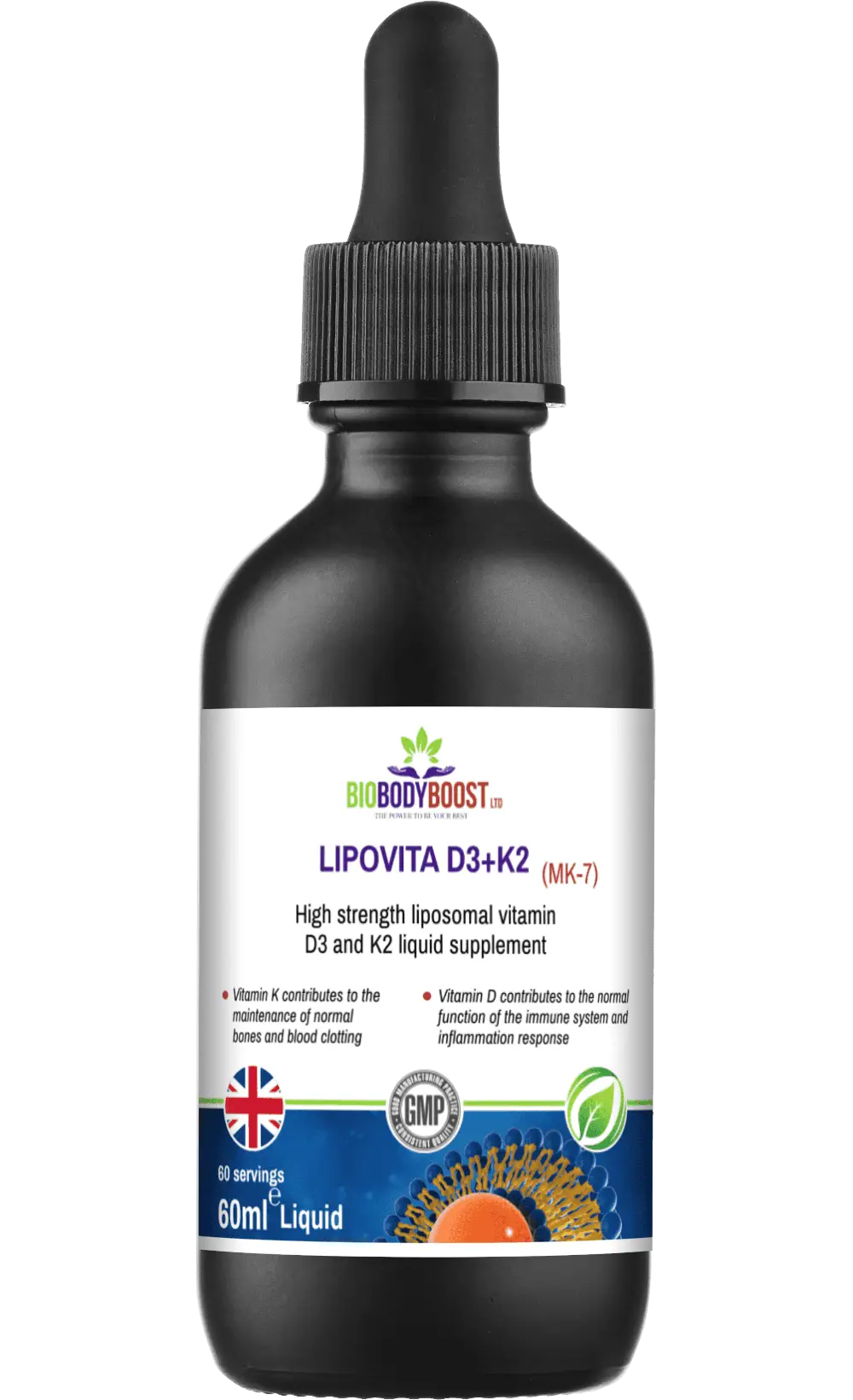
Our Lipovita D3+K2 uses algae-sourced D3 with fermentation-derived MK-7 K2, in a liposomal liquid format — no capsule shell to check, no lanolin, halal and vegan by both source and format.
Iodine — easy to miss, rarely discussed
Iodine is essential for thyroid hormone production, and dairy is the single largest dietary iodine source for most UK adults — meaning plant-based diets that exclude dairy often exclude their main iodine route too. Vanderpump et al. (2011, The Lancet) found the UK to be a mildly iodine-deficient country overall, and vegan diets are specifically flagged as a risk factor in UK dietetic guidance. Seaweed is often suggested as a fix, but iodine content in raw seaweed varies enormously batch to batch — a standardised, dosed supplement is the more reliable route if you want to know what you're actually getting.
Iron — not absent, just less absorbable
Plant iron (non-haem iron) is absorbed less efficiently than the haem iron in meat, though this is a difference in absorption rate, not an absence of iron in plant foods. Lentils, beans, tofu and leafy greens all contain meaningful iron; pairing them with vitamin C improves absorption, while tea and coffee taken alongside meals can reduce it. Whether supplementation is warranted depends on actual iron status — a blood test is a far better starting point than guessing, since unnecessary iron supplementation carries its own downsides.
Omega-3 — the ALA to EPA/DHA conversion problem
Flaxseed, chia and walnuts provide ALA, a shorter-chain omega-3 that the body converts to the more clinically relevant EPA and DHA at a conversion rate generally cited under 10% for EPA and under 5% for DHA in most adults. Algae oil is the only plant-based source of preformed EPA and DHA — it's also where fish get their omega-3 from in the first place, since fish don't synthesise it themselves.
Halal and vegan aren't automatically the same thing
This is worth stating plainly since it rarely gets mentioned: a "vegan" label rules out animal-derived ingredients, but it doesn't automatically confirm halal status on ambiguous processing questions (alcohol-based extraction solvents, for instance) — and conversely, several genuinely halal ingredients (lanolin-derived D3 for many scholars, honey, dairy) aren't vegan. If you're checking both boxes, they need checking separately rather than assuming one implies the other.
Building a realistic routine
The evidence points to a short, specific list rather than "take everything": B12 as close to non-negotiable, vitamin D year-round (more urgent October–March), iodine if dairy isn't part of your diet, iron if a blood test shows you need it, and algae-based omega-3 if EPA/DHA specifically matters to your goals (brain, eye, cardiovascular support). Beyond this list, most other nutrients are genuinely well covered by a varied plant-based diet — there's no need to stack a dozen products chasing gaps that likely don't exist for you.
Frequently Asked Questions
What vitamins do vegans actually need to supplement?
The nutrients with genuine, well-established gap risk on a vegan diet are B12 (essentially universal need, since reliable plant sources don't exist), vitamin D (a UK-wide issue made harder by lanolin-sourced D3 not being vegan), iodine (mainly an issue if dairy is excluded), iron (absorption rather than availability issue — check status before supplementing), and EPA/DHA omega-3 (ALA conversion is too low to rely on for most adults). Other nutrients are generally well covered by a varied plant-based diet.
Is vegan automatically the same as halal?
No. Vegan certification confirms no animal-derived ingredients, which rules out gelatine capsules and fish oil, but it doesn't automatically confirm halal compliance on separate questions like alcohol-based processing solvents. Conversely, some halal-permissible ingredients (lanolin-derived vitamin D3, under most scholarly positions) are not vegan. Check both separately if both matter to you.
Is algae-derived vitamin D3 as effective as lanolin-derived?
Yes — the D3 molecule (cholecalciferol) is chemically identical regardless of source. The difference is entirely about origin, not biological effectiveness. Algae-derived D3 gives vegans a form with no animal by-product anywhere in the sourcing.
This article is for general information and does not constitute medical advice. Speak to a healthcare professional before starting any new supplement, particularly if pregnant, breastfeeding, or taking prescription medication.
BioBodyBoost — Halal Certified UK Supplements
Use code HALAL10 for 10% off your first order — halal approved under UHA Certificate Ref. 24623, vegan, UK made. Shop the full range →


