The single biggest difference: in the US, a supplement can say almost anything short of claiming to treat disease, with no pre-approval; in the UK, a supplement can only make health claims that regulators have specifically authorised — a list that is closed, precise and short. Everything else — doses, ingredients, enforcement — flows from that split. If you buy US brands online, this is what you're actually navigating.
Claims: structure/function vs authorised lists
United States. Under DSHEA (the Dietary Supplement Health and Education Act, 1994), brands can make "structure/function" claims — "supports immune health", "promotes restful sleep" — without submitting evidence for approval, provided they add the familiar disclaimer that the FDA has not evaluated the statement. The FDA acts after products reach the market, not before.
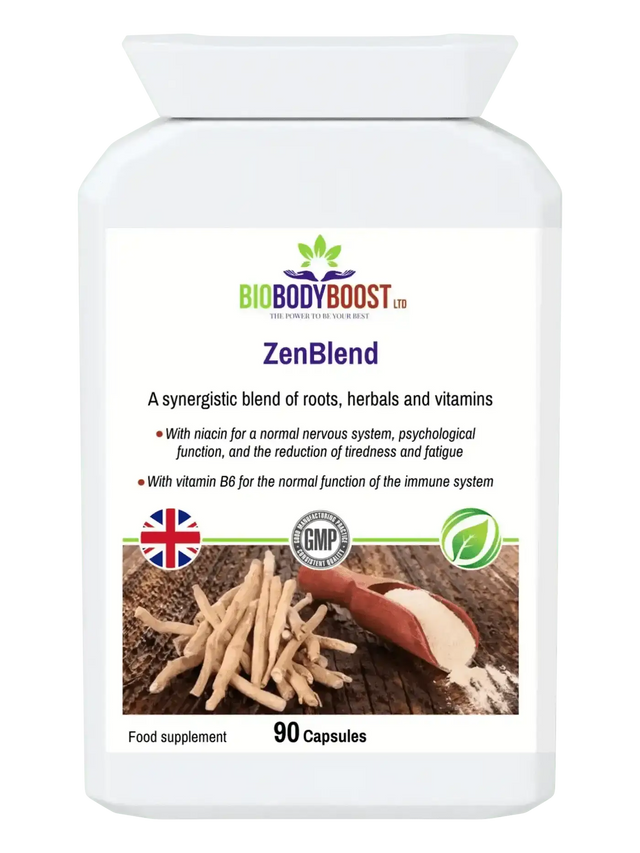
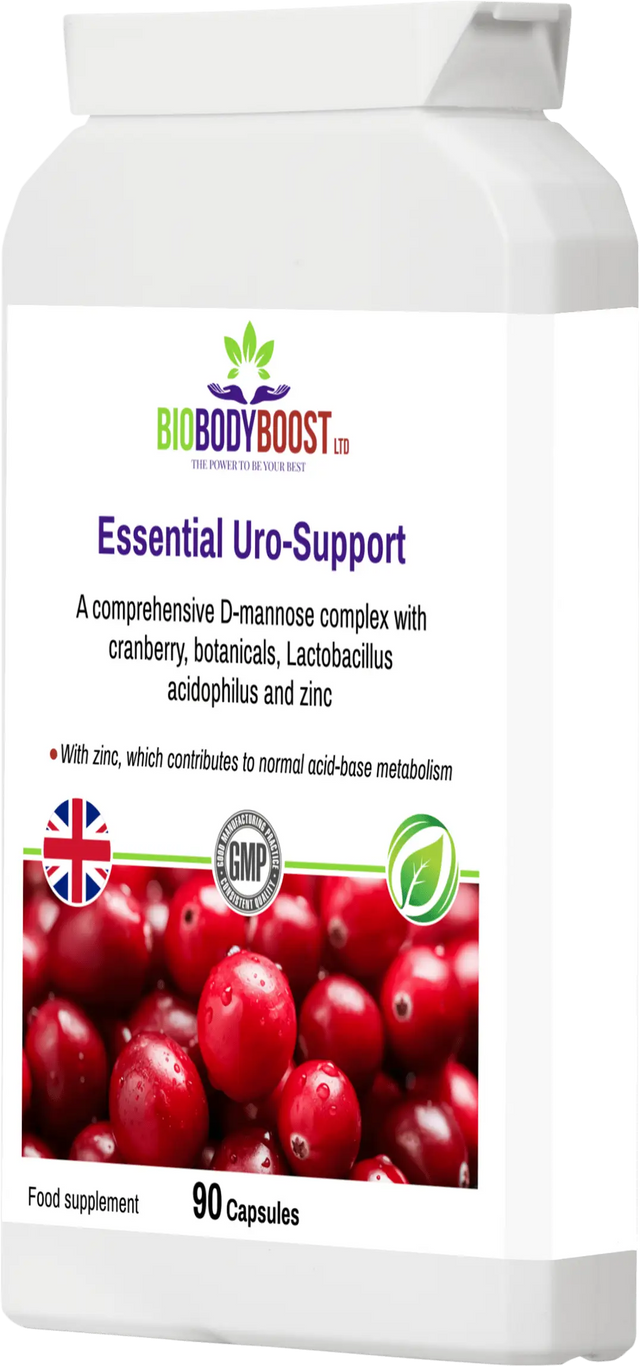
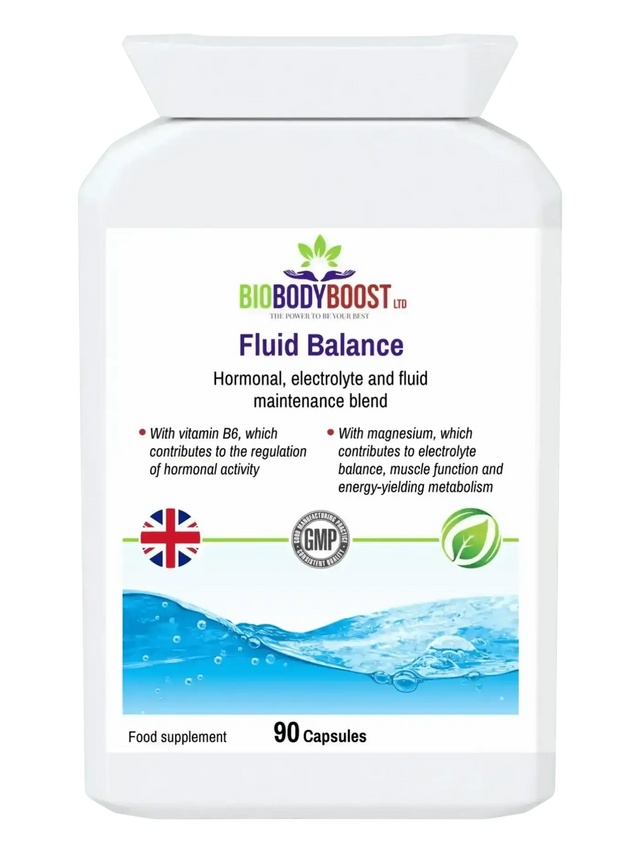
United Kingdom. The opposite model. Only health claims on the authorised register (inherited from the EU regime and maintained post-Brexit) may be used, worded as authorised — "vitamin C contributes to the normal function of the immune system". Botanicals like ashwagandha, turmeric and acai have no authorised claims at all, which is why a compliant UK page can name them and state doses but cannot tell you what they do. If a UK-facing product page says a botanical "reduces stress", it is non-compliant — full stop.
Ingredients: what's legal in one and not the other
- Melatonin — the flagship example. An ordinary supplement in the US, sold in gummies at petrol stations; in the UK it is a prescription-only medicine and cannot legally be sold in a food supplement. US melatonin products shipped to UK buyers are being imported outside UK rules.
- Dose ceilings — UK guidance sets recommended upper levels for vitamins and minerals, and products are formulated around NRV percentages. US products routinely carry far higher doses of the same nutrients.
- Novel foods — ingredients without a significant history of UK/EU consumption need novel food authorisation before sale (CBD being the highest-profile recent example). The US has no equivalent gate for most botanicals.
Who actually checks?
In the UK, food supplement compliance sits with the Food Standards Agency framework, enforced locally by Trading Standards and environmental health, with the MHRA stepping in where a product crosses into medicine territory — by ingredient (like melatonin) or by claim (claiming to treat a condition). In the US, the FDA carries post-market enforcement across a vastly larger market, and independent testing has repeatedly found labelling discrepancies the pre-market system never caught.
What this means when you buy US brands online
- The exciting claims on a US label would often be illegal on a UK one — that is a difference in law, not in the product's evidence.
- Doses may exceed UK recommended upper levels — worth checking against NRV guidance rather than assuming more is better.
- Some US products contain ingredients that are not legal in UK food supplements at all.
- Halal assurance is rarer in the US mainstream — gelatine capsules and alcohol-carried flavourings are widespread. Our halal-friendly supplements guide covers what to check.
It is also why compliant UK product pages read differently. On a page like BioSnooze, you will find no melatonin — it cannot legally be there — and no "helps you sleep" claim, because none is authorised. What you get instead is every ingredient named with its dose, and claims restricted to the nutrients that genuinely carry them. The same standard runs across the whole Halal Vitamins UK range.
Questions we get asked
Does "FDA approved" mean anything for supplements?
The FDA does not approve dietary supplements at all — only drugs. A supplement brand claiming to be "FDA approved" is misusing the term; at most, a facility can be FDA-registered, which is an administrative status rather than a quality endorsement.
Are UK supplements safer than US ones?
The UK system is more restrictive on claims, doses and permitted ingredients, which reduces certain risks — but good and poor manufacturers exist in both markets. Manufacturing standards (GMP), transparent dosing and independent certification tell you more about any individual product than which flag it sells under.
Can I legally import US supplements to the UK?
Personal imports occupy a grey area and enforcement is limited, but products containing UK prescription-only substances — melatonin being the common one — are not legal to sell to UK consumers, and customs can seize them. Products compliant with UK law avoid the question entirely.
This article is general information, not legal or medical advice. Food supplements should not replace a varied diet or healthy lifestyle.