
Key takeaways
- Dandelion (Taraxacum officinale) has a long history of traditional use for water retention.
- Research in people is very limited: one small pilot study, with no placebo group.
- It has no authorised health claim in the UK.
- Avoid it if you take diuretics or lithium, have gallbladder problems, or are allergic to daisy-family plants.
In this guide
The tradition
Dandelion leaves and roots have been used in European and Chinese herbal traditions for centuries. Its old French name, pissenlit, translates roughly as “wet the bed”, a hint at its traditional reputation.
The leaves are also eaten as a salad green in some countries, and they're naturally a source of potassium.
What the research shows
The evidence in people is thin. The study most often quoted is a small pilot study (Clare et al., 2009, Journal of Alternative and Complementary Medicine).
| Study detail | What it means |
|---|---|
| 17 healthy volunteers | Very small |
| Took dandelion leaf extract | Leaf, not root |
| Some increase in urination after doses | An interesting early signal |
| No placebo group | Can't rule out other explanations |
The honest summary: dandelion's reputation rests mainly on tradition. There isn't good evidence that it reduces water retention, and it can't legally be marketed as doing so in the UK.
Who should avoid dandelion
- People taking diuretics (water tablets), lithium, or medicines that affect potassium
- Anyone with gallbladder problems or gallstones
- People allergic to plants in the daisy family, such as ragweed, chrysanthemums or marigolds
- Anyone who is pregnant or breastfeeding
- People with kidney problems
If you take regular medication, check with your pharmacist first.
Persistent swelling always deserves a GP check, as it can have medical causes. The NHS oedema page explains when to get help.
Dandelion in botanical blends
In supplements, dandelion root or leaf usually appears alongside other traditional botanicals such as nettle, parsley and celery seed.
In a well-labelled UK product, any authorised claims will come from vitamins and minerals, not from the herbs. For example, magnesium contributes to electrolyte balance.


Halal & kosher approved · vegan
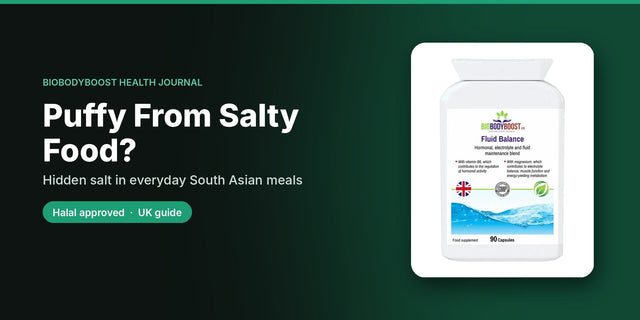
Fluid Balance
- Dandelion root, nettle, parsley, celery seed and five more botanicals
- Magnesium contributes to electrolyte balance
- Vitamin B6 contributes to the regulation of hormonal activity
HALAL10 10% off your first order
Shop Fluid Balance →The same cautions apply: not for pregnancy, and check with your GP if you take diuretics, lithium or heart or blood pressure medication.
Questions people ask
Is dandelion a natural diuretic?
It's traditionally used that way, but the evidence in people is very limited.
Dandelion root or leaf: which is used for water retention?
Traditionally the leaf is linked more with water balance and the root with digestion. Both appear in herbal products.
Can I drink dandelion tea?
Many people do. The same cautions about medicines, allergies and gallbladder problems apply.
Does dandelion lower potassium?
Dandelion leaves naturally contain potassium. If you take medicines that affect potassium, ask your pharmacist before using it.
Is dandelion halal?
Dandelion is a plant, so it's halal in itself. Check tinctures for alcohol and capsules for gelatine.
Sources: Clare et al. 2009 · NHS: oedema · GB NHC register
This article is general information, not medical advice. Food supplements should not replace a varied, balanced diet and healthy lifestyle.