Written by the BioBodyBoost Team · Updated May 2026 · Editorial standards →
Gut health has become the most searched supplement category in the UK — and one of the most heavily marketed. The gut microbiome genuinely influences immune function, metabolism, mood and weight. But not everything sold as a “gut health supplement” delivers meaningful benefit. This evidence-based guide covers what actually works in 2026.
What Your Gut Microbiome Actually Does
The intestinal microbiome — approximately 38 trillion microbial cells — regulates far more than digestion. It produces around 90% of the body’s serotonin, trains and modulates approximately 70% of immune tissue, ferments dietary fibre into short-chain fatty acids that reduce systemic inflammation, and influences the gut-brain axis linking gut bacteria to mood, stress response and cognitive function. When disrupted — by antibiotics, poor diet, stress or illness — the downstream effects extend well beyond digestive discomfort.
The Evidence Hierarchy for Gut Health Supplements
Tier 1: Strong evidence — most people benefit
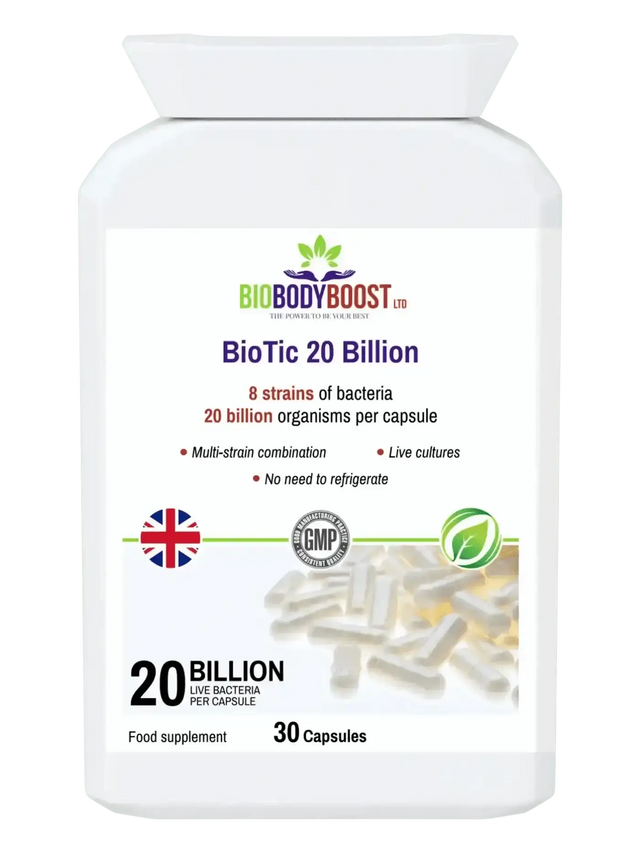
Multi-strain probiotics at 1 billion+ CFU. Lactobacillus acidophillus is the most studied strain for IBS, antibiotic-associated diarrhoea, vaginal microbiome balance and immune function. Bifidobacterium lactis supports the large intestine, maintains acidic gut pH, and is studied for constipation and respiratory tract infections. The NHS acknowledges probiotics may help restore the natural balance of bacteria in your gut after disruption.
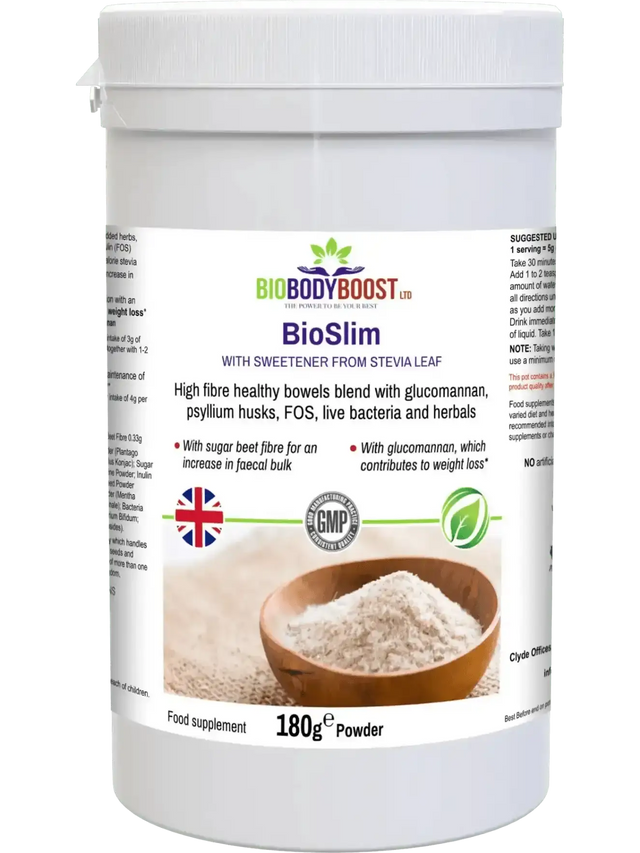
Prebiotic fibre. Psyllium husk — the most studied fibre for gut transit and IBS management — acts as a bulking agent promoting regularity. Sugar beet fibre carries an EU-authorised health claim for contributing to an increase in faecal bulk. Its soluble component is fermented by gut bacteria, increasing microbiome diversity.
Tier 2: Good evidence — for specific goals
Vitamin D for gut barrier integrity. Deficiency is associated with increased intestinal permeability. Zinc supports gut lining integrity and immune defence. Vitamin C supports the immune tissue concentrated in gut-associated lymphoid tissue (GALT).
Tier 3: Skip these
Single-strain probiotics at low CFU — insufficient diversity and dose. Probiotic yoghurt drinks — typically 1–10 million CFU at consumption, well below effective doses. Gut “detox” or cleanse supplements — no evidence base; the gut self-regulates.
What the Best Gut Health Supplements Include
| Supplement type | Evidence level | Key benefit | In Daily Multi Complex? |
|---|---|---|---|
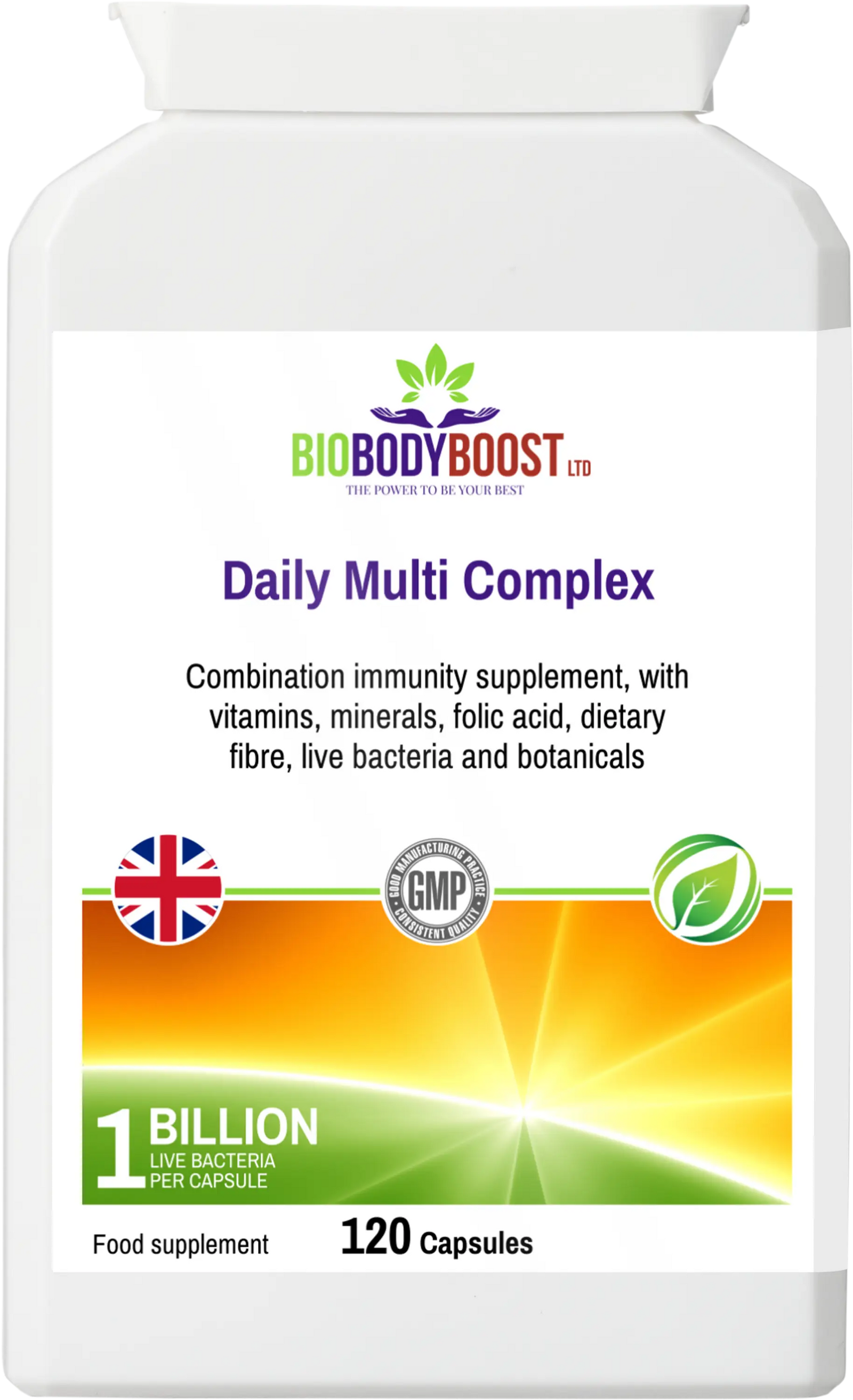
| Multi-strain probiotic (1B CFU) | Strong | Microbiome diversity, immune, IBS | ✓ L. acidophillus + B. lactis |
| Prebiotic fibre (psyllium, sugar beet) | Strong | Transit, regularity, microbiome feed | ✓ Both included |
| Vitamin D | Moderate | Gut barrier, immune tissue | ✓ Included |
| Zinc | Moderate | Gut lining integrity, immune defence | ✓ Included |
| Digestive enzymes (healthy adults) | Weak | Mainly post-surgical / diagnosed deficiency | Not needed |
| Gut “cleanses” | None | No evidence base | Excluded |
When Should You Expect Results?
Gut health improvements follow a predictable timeline when the right interventions are taken consistently:
Week 1–2: Digestive changes — reduced bloating, improved regularity, less post-meal discomfort. These are the earliest signs of microbiome stabilisation and fibre effect on transit.
Week 3–4: Energy and mood improvements begin as gut serotonin production normalises and nutrient absorption improves. Some people notice fewer afternoon energy crashes.
Week 6–8: Immune resilience changes. Fewer minor infections, faster recovery. These effects reflect the deeper shifts in gut-associated lymphoid tissue that take longer to develop.
Week 10–12: Measurable microbiome composition changes. Sustained dietary fibre and probiotic supplementation produces meaningful shifts in microbiome diversity that are detectable on gut microbiome testing.
Consistency matters more than dose. The gut microbiome responds to steady substrate supply — occasional high doses produce less effect than lower consistent daily supplementation.
Frequently Asked Questions
How long do gut health supplements take to work?
Digestive changes within 1–2 weeks. Broader immune and microbiome effects over 4–8 weeks of consistent use.
Should I take probiotics with or without food?
With food — gastric acid is buffered by a meal, improving bacterial survival through the stomach to the intestine.
Can probiotics make you feel worse at first?
Temporary bloating or altered bowel habit in the first 1–2 weeks is common as the microbiome adjusts. Start with a lower dose and build up to manage this transition.
Explore the full Gut Health UK and Immunity UK collections.
Food supplements should not replace a varied diet or healthy lifestyle. Consult your GP before use if pregnant, breastfeeding or managing a diagnosed health condition.