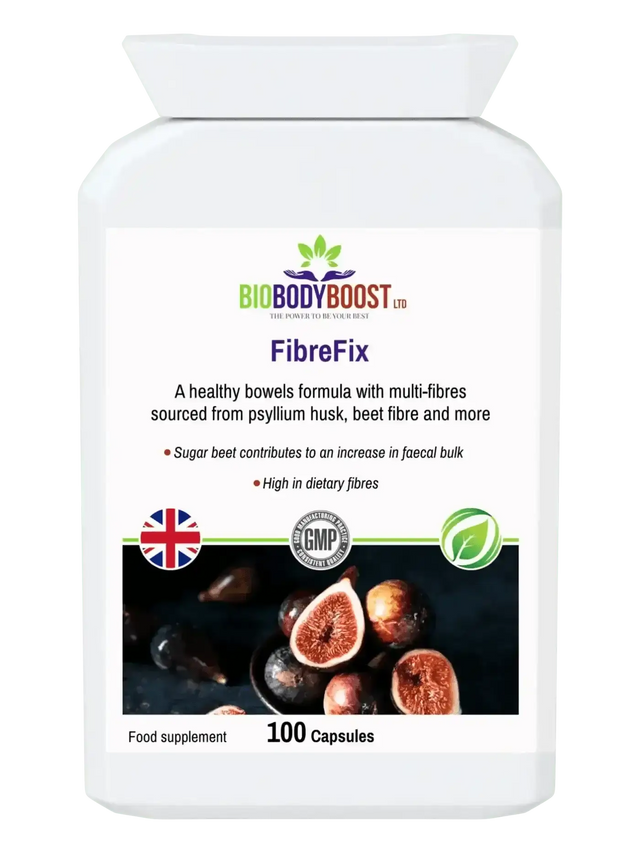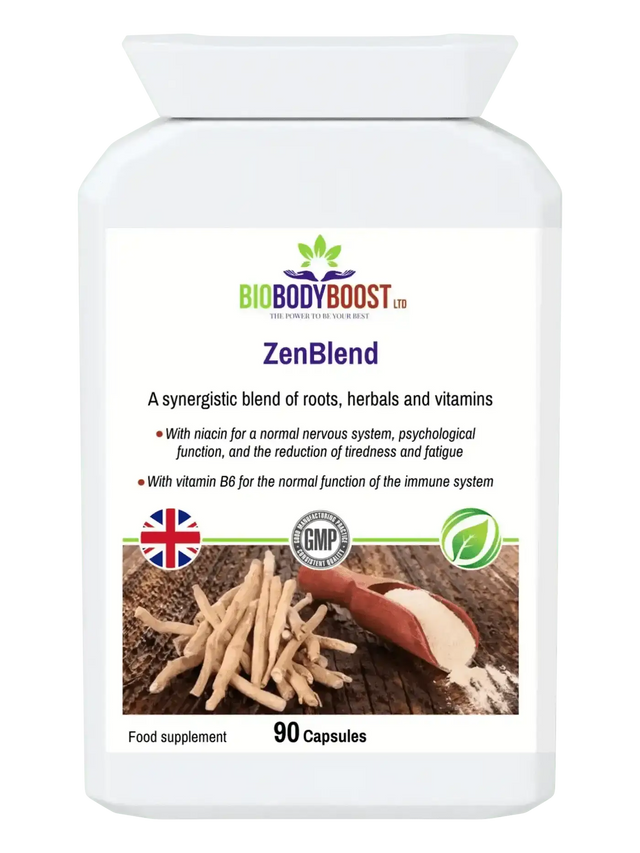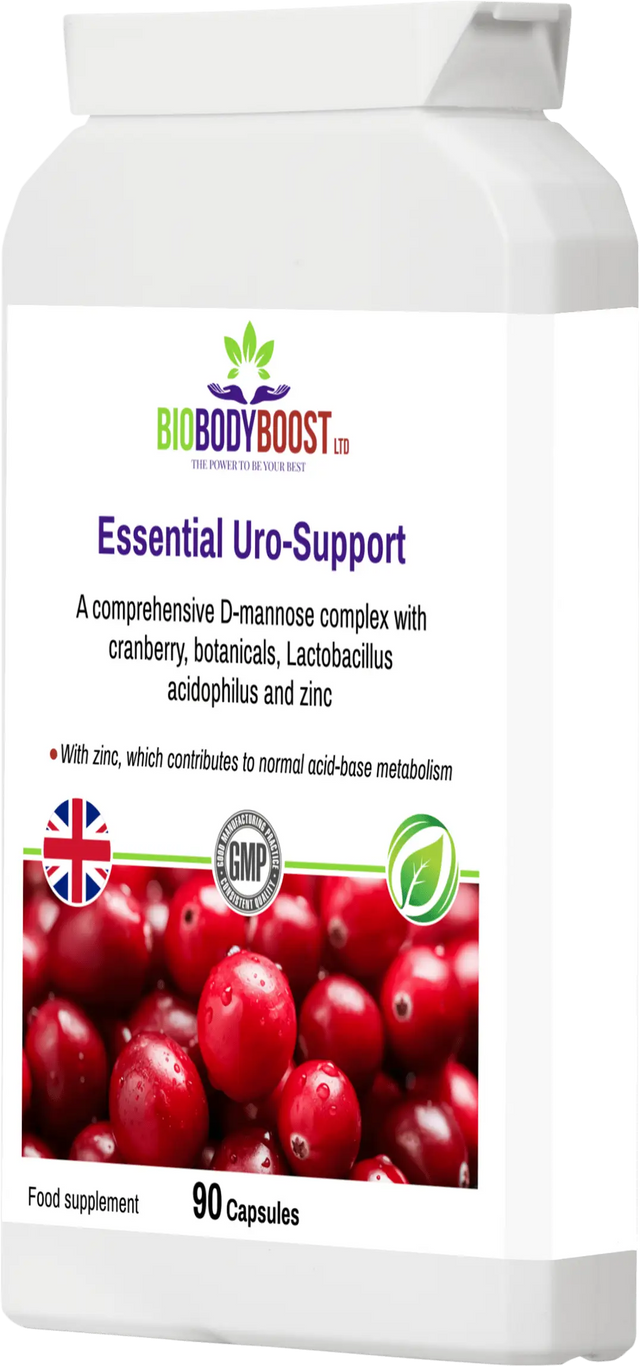

Bloating after a healthy lunch, an unsettled stomach during a busy workweek, or that heavy feeling that seems to appear for no obvious reason - these are exactly why more people are searching for dairy free probiotics for gut health UK options that fit real life. If you avoid dairy for ethical reasons, intolerance, acne triggers or digestive comfort, the right probiotic can support gut balance without adding ingredients your body would rather skip.
Not all probiotics are naturally dairy free, and that catches people out. Some formulas use dairy-derived growth media during production, while others add milk-based fillers or are made in facilities where cross-contamination matters. If your goal is better digestion, less discomfort and a cleaner daily routine, the label matters just as much as the live cultures inside the capsule.
What makes dairy free probiotics worth considering?
A probiotic is only useful if you can take it consistently. For many people, dairy-based ingredients are a barrier from the start. That might be because of lactose intolerance, a milk protein sensitivity, a vegan lifestyle, or simply the fact that dairy-heavy products do not leave them feeling their best.
Dairy free probiotics remove that friction. They give you a way to support gut balance and daily digestion without second-guessing the ingredient list. That matters because consistency tends to shape results more than jumping from one formula to another every few weeks.
There is also a difference between "contains probiotics" and a formula designed for outcomes. A research-backed blend should be clear about strain types, potency and storage guidance. If a product only gives vague promises about wellness but says little about what is actually in it, that is usually a sign to keep looking.
Dairy free probiotics for gut health UK shoppers should look for
In the UK, supplement labels can look clean at first glance and still hide details that matter. When choosing dairy free probiotics for gut health UK buyers can trust, start with the basics: strain specificity, sensible dose, clean ingredients and quality testing.
Strains matter more than hype
Different probiotic strains do different jobs. Some are commonly used for everyday digestive support, while others are included for support during or after antibiotics, travel disruption or periods of dietary stress. You do not need a huge list of strains for a formula to be effective, but you do want transparency.
Look for full names such as Lactobacillus acidophilus or Bifidobacterium lactis rather than broad terms like "friendly bacteria blend". The more precise the label, the easier it is to judge whether the formula has been put together with purpose.
CFU count should be realistic
CFU stands for colony forming units, which tells you how many live microorganisms are in the product. Bigger numbers are not automatically better. A very high-CFU product is not always the right fit for a sensitive gut, especially if you are new to probiotics.
For many adults, a moderate daily dose paired with well-chosen strains is a smart place to start. If you have a reactive digestive system, starting lower can be the better move. More is not always more when it comes to gut comfort.
Check the full ingredient list
This is where dairy free claims either hold up or fall apart. A probiotic may contain live cultures yet still include milk derivatives, lactose, whey or other unnecessary extras. Some use fillers, sweeteners or additives that do not sit well with people already dealing with bloating.
A cleaner formula is often easier to work into a daily routine. Plant-based capsules, minimal excipients and clearly stated allergen information give you more confidence, especially if you are shopping around multiple dietary needs.
Third-party testing adds trust
If a brand talks about quality, it should be willing to prove it. Third-party testing helps confirm purity, potency and safety. For anyone investing in a daily supplement, that is not a nice extra. It is a trust marker.
This is especially relevant with probiotics because live cultures need proper handling to stay viable. A product can look impressive on the front of the label and still underdeliver if quality control is weak.
Who benefits most from a dairy free probiotic?
The obvious group is people with lactose intolerance or dairy sensitivity, but the appeal is wider than that. Plant-based eaters often want supplements that match the rest of their routine. People focusing on clearer skin, lighter digestion or less post-meal discomfort may also choose dairy free simply because it helps remove a common trigger.
Busy professionals often fall into another category. Irregular meals, stress, rushed lunches and too much coffee can leave digestion feeling out of sync. A clean, easy-to-take probiotic can become one of those simple daily upgrades that helps restore a bit more balance.
Fitness-focused customers also tend to look closely at digestion. If your protein intake is high or your routine includes shakes, bars and convenience foods, gut support becomes part of performance. Feeling less bloated and more settled through the day is not just a comfort issue. It can affect energy, appetite and recovery too.
What results can you realistically expect?
This is where honest expectations matter. A probiotic is not a magic fix for every digestive issue, and it will not cancel out a diet that constantly works against your gut. What it can do is support a healthier balance in the microbiome and help some people feel more regular, less bloated and more comfortable after meals.
The timeline varies. Some notice changes within a week or two, especially in regularity. Others need longer, particularly if their digestion has been under pressure for months. It depends on your current diet, stress levels, sleep, medications and the formula itself.
There can also be an adjustment phase. Mild changes in bowel habits or temporary gassiness can happen when starting a probiotic. That does not always mean the product is wrong for you, but if symptoms feel strong or persistent, it may be a sign the dose or strain blend is not the best fit.
How to choose a probiotic that fits your routine
The best supplement is the one you will actually remember to take. Capsules are often the easiest option for daily use, especially if you want a formula with no added sugar or flavourings. Powders can work well too, but they are not always as convenient for commuting, travelling or office life.
Storage is another detail worth checking. Some probiotics require refrigeration, while others are shelf-stable. Shelf-stable formulas tend to suit modern routines better, but they still need good manufacturing standards behind them.
If you are comparing labels, keep the focus on three questions. Is it genuinely dairy free and suitable for your dietary needs? Does it clearly state the strains and potency? Does the brand show quality standards such as research-backed formulation or third-party testing? If the answer is yes across all three, you are usually in a stronger position.
For shoppers who want clean-label, vegan-friendly support without overcomplicating the process, BioBodyBoost reflects that shift towards plant-based, research-backed daily wellness at https://biobodyboost.co.uk.
Supporting your probiotic with better gut habits
Even the best dairy free probiotic works better when your everyday habits are not fighting it. Fibre matters because beneficial bacteria need something to feed on. That means vegetables, pulses, oats, fruit, seeds and other plant foods deserve a regular place in the week.
Hydration helps too. So does slowing down at meals, managing stress where possible and not treating your digestive system like an afterthought until it starts complaining. If your routine is built on ultra-processed convenience food, inconsistent sleep and eating on the go, a probiotic may help - but it is only part of the picture.
That said, perfection is not required. Most people do not need a flawless gut-health routine. They need something practical they can stick to, with fewer triggers and smarter support.
When to be more cautious
If you have a diagnosed digestive condition, a compromised immune system, or ongoing symptoms such as pain, blood in stools or unexplained weight loss, probiotics should not be your first and only step. Those situations need proper medical advice.
It is also worth checking suitability if you are pregnant, taking prescription medication or buying for a child. Gut support can be a helpful tool, but the best approach is always the one matched to your actual needs rather than whatever is trending.
A good dairy free probiotic should make your wellness routine feel simpler, not more confusing. Choose one that respects your dietary standards, shows its science, and supports gut balance in a way that feels sustainable. When your digestion feels lighter and more settled, the rest of your day tends to run better too.