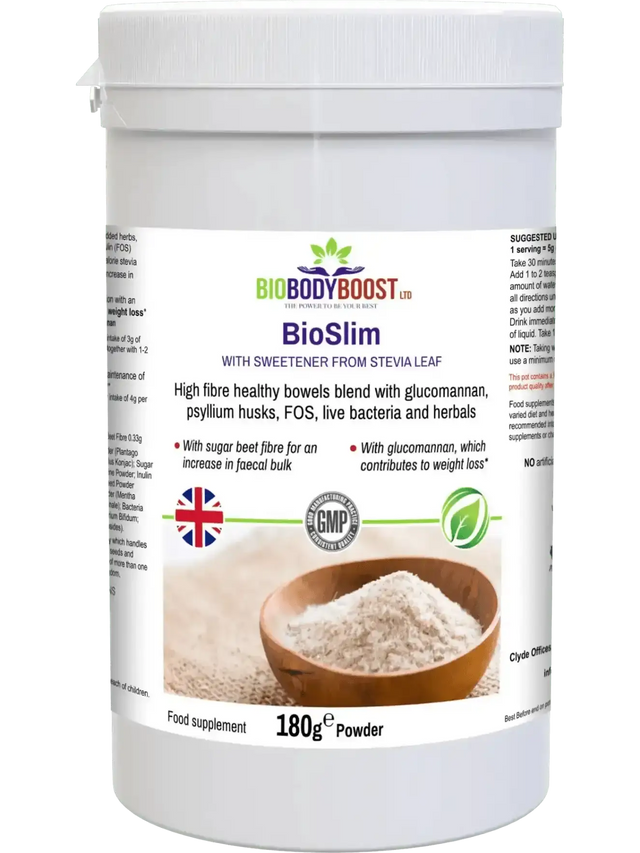
That mid-afternoon bloat, the sluggish feeling after meals, the sense that your digestion is not quite working with you - it is often less dramatic than a health crisis and more annoying than it should be. For many people, a fibre supplement psyllium husk vegan formula is one of the simplest ways to support gut balance and daily digestion without overcomplicating the routine.
Psyllium husk has earned its place in digestive support for a reason. It is plant-based, practical, and well known for helping increase fibre intake in a way that fits real life. But not every product is equal, and not every body responds in exactly the same way. If you want better regularity, a lighter feeling after meals, and a cleaner supplement choice that aligns with a vegan lifestyle, it helps to know what you are actually buying.
What is a fibre supplement psyllium husk vegan formula?
Psyllium husk comes from the outer layer of seeds from the Plantago ovata plant. When mixed with water, it forms a gel-like texture. That simple property is what makes it useful. It can help bulk up stool, support regular bowel movements, and slow digestion in a way that may help with fullness and steadier digestion after eating.
A vegan psyllium husk fibre supplement should be straightforward by design. The core ingredient is naturally plant-based, but the full formula still matters. Some products include unnecessary fillers, sweeteners, flavourings, or capsule materials that do not fit a clean-label standard. If you are choosing for ethical reasons, digestive comfort, or both, the best option is one with transparent ingredients and no hidden extras.
This is especially relevant if you already pay attention to labels for dairy-free, gluten-free, halal or other dietary needs. A supplement can look healthy from the front of the pack and still be cluttered in the small print.
Why psyllium husk works so well for digestion
Psyllium is mostly valued for its soluble fibre content. Soluble fibre absorbs water and creates a softer, bulkier stool, which can support regularity if you tend to feel backed up. It can also help if your digestion feels inconsistent rather than simply slow.
That balance is one reason people keep coming back to it. Some fibres are harsh, fast-acting, or more likely to cause a lot of gas if you increase them too quickly. Psyllium can still cause bloating at first, but many people find it gentler when introduced properly and taken with enough fluid.
There is also a wider wellness angle. Better fibre intake can support satiety, which matters if you are trying to avoid constant snacking or feel lighter between meals. It may also support healthy cholesterol levels as part of a balanced diet. That does not make psyllium a magic fix, but it does make it one of the more versatile additions to a daily routine.
Who might benefit from psyllium husk?
If your diet is already rich in vegetables, pulses, oats, seeds and wholegrains, you may still be doing well without a supplement. But modern eating habits have a way of looking healthy on paper while still falling short on fibre. Busy mornings, meal deals, protein-heavy lunches and rushed dinners can all leave a gap.
Psyllium may be worth considering if you often deal with bloating linked to irregular bowel movements, feel constipated, struggle to hit fibre targets, or want digestive support that is vegan and easy to use. It can also suit people who want a simple daily habit rather than a long protocol with multiple products.
It depends on the cause of your symptoms, though. If bloating is driven by food intolerances, stress, a sudden dietary change or an underlying digestive condition, fibre alone may not sort the issue. In some cases, adding fibre too quickly can make things feel worse before they improve.
How to take psyllium husk without upsetting your stomach
This is where good intentions often go wrong. People hear that fibre is good, take a full serving on day one, and then wonder why they feel heavy or gassy. With psyllium, more is not better at the start.
Begin with a small amount and build gradually over several days or weeks. Always take it with plenty of water. That part is non-negotiable. Psyllium needs fluid to do its job properly, and too little water can leave you feeling uncomfortable rather than supported.
Powder is popular because it is easy to mix into water, smoothies or soft foods, but texture can be a sticking point. It thickens quickly, so drink it soon after mixing. Capsules can be more convenient for travel or busy schedules, though you still need enough water and may need several capsules to reach an effective dose.
Timing depends on your goal. Some people prefer it before meals for fullness, while others take it at a consistent time each day to support regularity. The best routine is the one you can actually stick to.
What to look for in a clean vegan fibre supplement
A strong formula should feel reassuring before you even open it. Clear labelling, transparent sourcing and a short ingredient list usually tell you more than flashy claims.
When choosing a fibre supplement psyllium husk vegan product, look for psyllium husk as the lead ingredient, vegan-friendly capsules if it is in capsule form, and minimal additives. Third-party testing is another strong signal, especially if you care about quality, purity and consistency. A research-backed, clean-label approach matters because digestive products are often taken daily, not occasionally.
If you are sensitive to artificial sweeteners or gums, a plain unflavoured option may be the better choice. If convenience matters more, a well-formulated flavoured powder can still work, provided the ingredient list stays sensible.
At BioBodyBoost, that clean, plant-based standard is central to how modern wellness should work - simple daily support, research-backed thinking, and no unnecessary clutter.
Psyllium husk and weight management - useful, but not a shortcut
Psyllium often gets pulled into weight-loss conversations, and there is some logic behind that. Because it absorbs water and expands, it may help you feel fuller and less likely to snack mindlessly. For some people, that creates a useful bit of structure around appetite.
Still, it is not a replacement for balanced meals, protein intake, movement or sleep. If your eating pattern is chaotic or your stress levels are driving cravings, fibre can support the bigger picture but not fix it on its own. Think of it as an assist, not the whole game plan.
That said, many people do notice a practical benefit. Feeling less bloated, more regular and more satisfied after meals can make healthy choices easier to maintain. Sometimes that is the real win.
Are there side effects or reasons to be cautious?
There can be. The most common issues are gas, bloating or abdominal discomfort, especially if you increase your intake too fast. That is why a gradual start matters.
You also need to pay attention if you take medication. Psyllium can affect how some medicines are absorbed, so spacing it away from medication is often advised. If you have a bowel condition, difficulty swallowing, or ongoing digestive symptoms that have not been checked, speak to a healthcare professional before using it.
And if a product promises dramatic detox effects, instant flattening of the stomach, or overnight transformation, be sceptical. Reliable digestive support tends to be steady, not flashy.
Psyllium husk vs other fibres
Not all fibre supplements work in the same way. Some are better for feeding beneficial gut bacteria, while others are more focused on bulking and regularity. Psyllium stands out because it is practical, widely tolerated when used properly, and backed by a solid track record.
That does not mean it is always the best choice for every person. If your main aim is microbiome diversity, other fibres may play a stronger role. If your issue is stool consistency and routine bowel support, psyllium is often a smart first place to look. The right choice depends on your symptoms, diet and how your gut responds.
A smarter way to add fibre to your routine
The best supplement is the one that fits your life well enough to become consistent. If you are trying to improve digestion, support fullness, and keep your choices aligned with a plant-based lifestyle, psyllium husk is one of the most practical tools available.
Keep it simple. Start low, drink enough water, choose a clean formula, and give your body a little time to adjust. Small daily upgrades usually beat dramatic health kicks, and your gut tends to agree.