Quick answer: berberine and myo-inositol target blood sugar and insulin resistance via different mechanisms and are most appropriate for different people. Berberine activates AMPK (the cellular energy sensor) to reduce hepatic glucose output and improve peripheral insulin sensitivity — the same pathway as metformin. Myo-inositol is a specific intracellular insulin signal mediator that is depleted in PCOS specifically — it restores a PCOS-specific molecular defect that berberine does not address. For PCOS: inositol is the evidence-backed first choice. For general insulin resistance without PCOS: berberine has more consistent evidence. They are complementary, not competing.
How they work differently
Berberine — AMPK activation
Berberine activates AMPK (AMP-activated protein kinase) via mitochondrial Complex I inhibition — the same mechanism as metformin. AMPK activation: reduces hepatic glucose output (less glucose released from the liver into blood), increases GLUT4 translocation to cell membranes (more glucose uptake from blood into muscle), reduces lipid synthesis, and improves overall insulin sensitivity. This is a broad metabolic intervention relevant to insulin resistance, T2D and metabolic syndrome generally.
Myo-inositol — PCOS-specific insulin signalling
Inositol phosphoglycans (IPGs) are intracellular second messengers that mediate insulin’s signal inside the cell after insulin has bound to its receptor. Women with PCOS have significantly impaired IPG release from the cell membrane in response to insulin — creating a specific form of intracellular insulin resistance that berberine’s AMPK mechanism does not directly address. Myo-inositol supplementation restores the IPG pool, improving the intracellular insulin signal cascade specifically. Additionally, myo-inositol supplementation significantly reduces LH:FSH ratio and testosterone in PCOS, directly addressing the hormonal dysregulation.
Evidence for PCOS specifically
Myo-inositol: Papaleo et al. (2007, Gynecological Endocrinology, RCT): myo-inositol significantly improved menstrual regularity, reduced testosterone and improved insulin sensitivity in PCOS vs placebo. A 2016 meta-analysis (10 RCTs) confirmed myo-inositol significantly reduced fasting insulin, testosterone and BMI and improved ovulation frequency. A 2019 Clinical Endocrinology comparison found myo-inositol as effective as metformin for restoring ovulation with fewer GI side effects.
Berberine in PCOS: Li et al. (2012, European Journal of Endocrinology, RCT, n=98 PCOS patients) found berberine significantly reduced testosterone, insulin resistance and BMI in PCOS — comparable effects to metformin. Berberine has meaningful evidence in PCOS but operates via a different pathway to inositol.
Evidence for general blood glucose (non-PCOS)
Berberine: stronger and more consistent evidence for general T2D and pre-diabetic blood glucose management. Yin 2008 (Metabolism, n=97) found berberine equivalent to metformin for HbA1c reduction in newly diagnosed T2D. A 2015 Evidence-Based Complementary and Alternative Medicine meta-analysis (14 RCTs) confirmed significant fasting glucose and HbA1c reductions from berberine.
Myo-inositol: less evidence for general blood glucose management outside the PCOS context. Its mechanism is PCOS-specific (restoring the impaired IPG pathway in PCOS) rather than a general AMPK activator.
Practical decision guide
| Situation | Better choice | Why |
|---|---|---|
| PCOS with insulin resistance | Myo-inositol first | Addresses PCOS-specific IPG insulin signalling defect + LH/testosterone effects |
| Pre-diabetic blood glucose (no PCOS) | Berberine | More consistent T2D/pre-diabetic evidence, broader AMPK mechanism |
| PCOS not responding to inositol alone | Add berberine | Complementary mechanisms, both shown effective in PCOS RCTs |
| On diabetes medication | Neither without GP | Berberine has significant drug interactions; inositol is safer but check first |
What BBB provides for blood glucose support
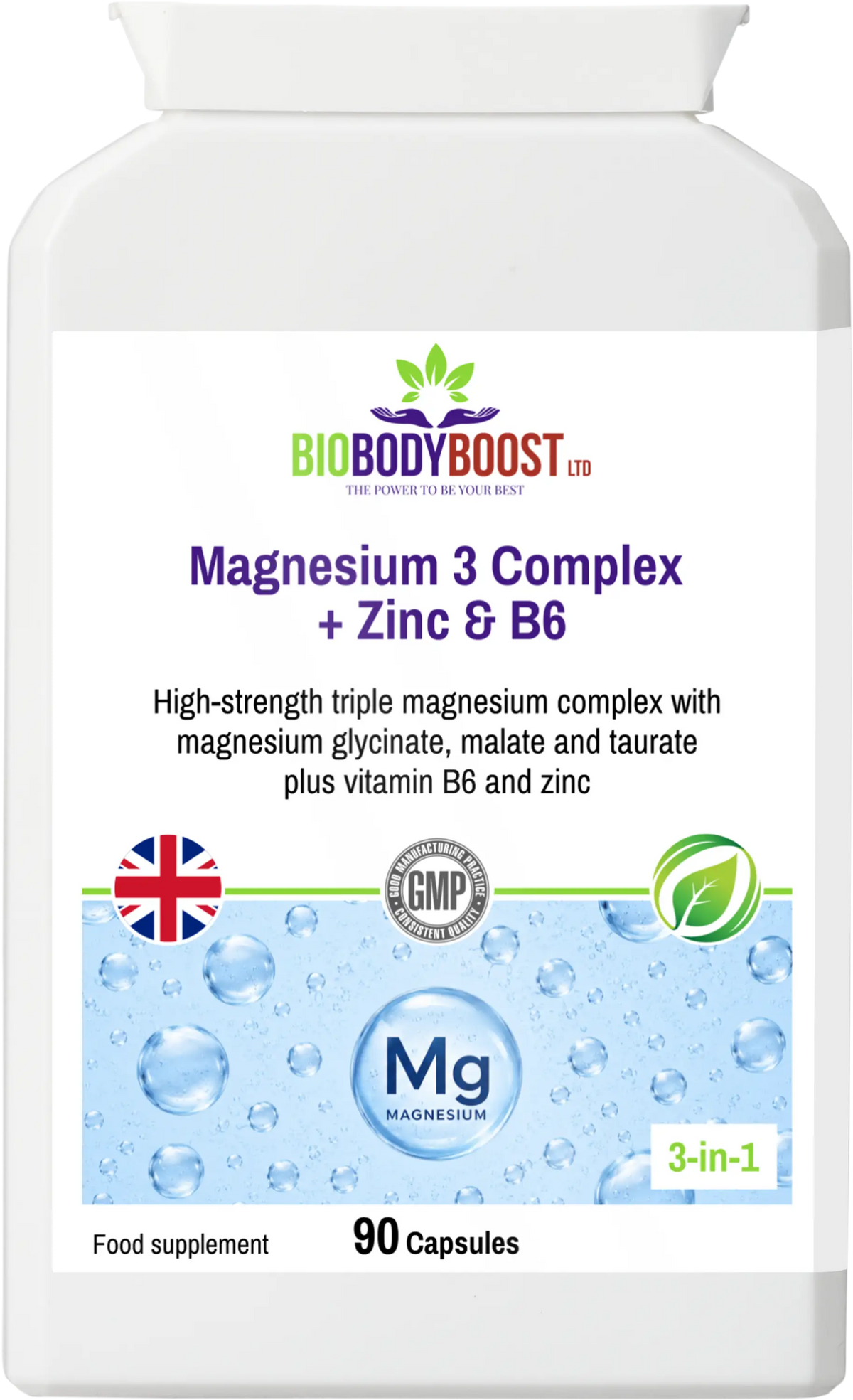
BioBodyBoost does not currently stock berberine or myo-inositol as standalone products. For EFSA-authorised blood glucose support: BioBurn (glucomannan) — EFSA-authorised blood glucose claim via glucose absorption slowing. BodyLean (chromium 250% NRV) — EFSA-authorised blood glucose claim via insulin receptor sensitisation. Magnesium 3 Complex — insulin receptor tyrosine kinase cofactor. All halal certified, EFSA-validated mechanisms. See the full halal blood sugar supplement guide.
Is myo-inositol better than berberine for PCOS?
Myo-inositol is the better first choice for PCOS specifically because it addresses a PCOS-specific molecular defect — the impaired inositol phosphoglycan second messenger pathway — that berberine’s AMPK mechanism does not directly target. Additionally, inositol has the most extensive PCOS-specific RCT evidence (10-RCT 2016 meta-analysis), reduces LH:FSH ratio and testosterone directly, and has a significantly safer drug interaction profile than berberine. Berberine has strong evidence in PCOS RCTs (Li 2012, n=98) but via a different mechanism. For maximum effect, they can be combined — but discuss with your GP, particularly if on any other medication.
Is berberine safe to take long-term UK?
Long-term safety data for berberine is limited compared to metformin’s 60-year record. Available clinical trial data (up to 3–6 months) shows an acceptable safety profile at 500mg three times daily. The more significant concerns are drug interactions — berberine is a potent CYP3A4 inhibitor affecting metabolism of many common medications including anticoagulants, immunosuppressants and cardiovascular drugs. For healthy adults not on medication, berberine at therapeutic doses appears safe medium-term. Always inform your GP before starting. The NHS medicines guide can help identify potential interactions.