Acai berry (Euterpe oleracea) is a small dark purple fruit from the Amazon rainforest with genuinely impressive antioxidant content. Its ORAC antioxidant score is among the highest of any food tested. However, the dramatic weight loss, detoxification and anti-ageing claims that made it a global superfood phenomenon in the mid-2000s are not supported by clinical evidence. Here is an honest separation of what acai can and cannot do.
What Does Acai Berry Actually Contain?
Fresh acai berries (not available in UK — consumed as frozen pulp, powder or extract) contain:
- Anthocyanins — the dark purple pigments responsible for most of acai’s antioxidant activity. Acai contains approximately 10 times more anthocyanins than red grapes and 30 times more than red wine per gram
- Proanthocyanidins — oligomeric flavonoids with antioxidant and anti-inflammatory properties
- Oleic acid — a monounsaturated fat also found in olive oil, making up approximately 56% of acai’s fat content
- Palmitic and palmitoleic acids — saturated and monounsaturated fats
- Plant sterols — beta-sitosterol and campesterol, which have mild cholesterol-lowering effects
- Dietary fibre — approximately 44% fibre by dry weight
- Vitamins and minerals — including vitamin A, calcium and trace minerals
What Does the Evidence Actually Show?
Antioxidant capacity — well established
Acai’s antioxidant activity is genuine and measurable. Multiple studies confirm acai consumption significantly raises plasma antioxidant capacity in humans within hours. The anthocyanin and proanthocyanidin content is among the highest of any tested fruit.
Anti-inflammatory effects — moderate evidence
Research has confirmed reductions in inflammatory markers (CRP, IL-6) following acai supplementation in overweight adults. The mechanism is NF-kB inhibition by anthocyanins — the same mechanism as other berry polyphenols.
Cardiovascular markers — moderate evidence
Several trials show acai reduces total cholesterol, LDL and blood glucose in overweight adults. A 2011 pilot study in 10 overweight adults found significant reductions in fasting glucose, total cholesterol and LDL after one month of acai consumption.
Weight loss — no meaningful evidence
No published RCT has confirmed significant weight loss from acai supplementation beyond what calorie restriction alone produces. The 2000s marketing of acai as a weight loss supplement was largely driven by celebrity endorsement and MLM marketing, not clinical evidence. The FTC took action against multiple acai weight loss marketers for deceptive claims.
What Acai Cannot Do
- It does not detoxify the body — no supplement detoxifies the liver; the liver detoxifies itself
- It does not produce dramatic or rapid weight loss
- It does not reverse ageing — it supports antioxidant defence, which may slow some oxidative ageing processes, but is not an anti-ageing cure
- It is not unique — blueberries, blackberries and dark cherries have comparable or greater anthocyanin content per gram at a fraction of the price
Who Genuinely Benefits From Acai?
- People with low fruit and vegetable intake who want a concentrated polyphenol source
- Athletes seeking to reduce exercise-induced oxidative stress and inflammation
- People wanting diverse dietary polyphenol intake beyond standard UK fruits
As part of a mixed berry antioxidant formula, acai contributes to a broader polyphenol spectrum. As a standalone “superfood” with miraculous effects — the evidence does not support the hype.
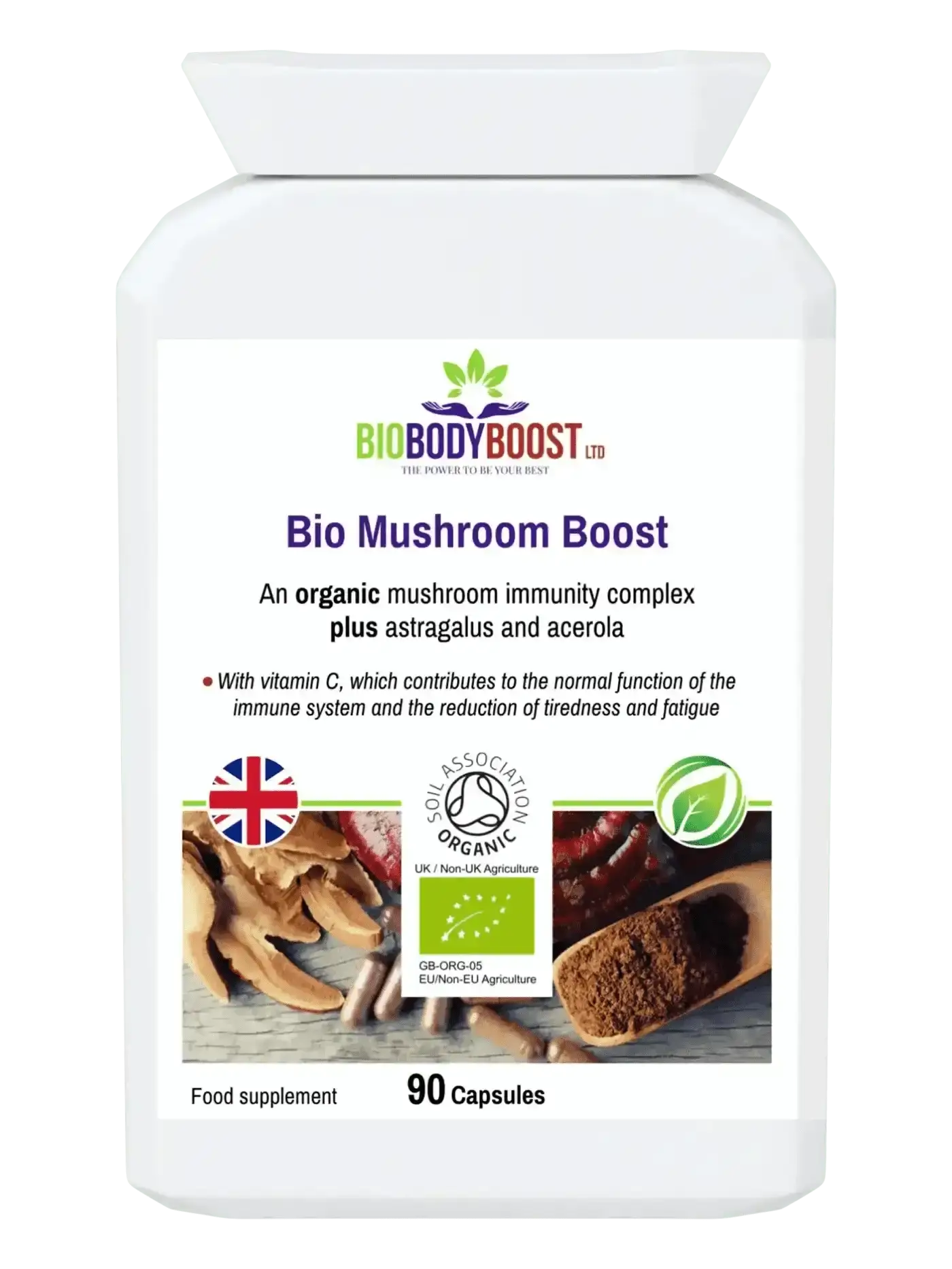
Acai Bio Complex by BioBodyBoost combines acai with pomegranate, blueberry, goji and green tea — providing a comprehensive polyphenol antioxidant spectrum. Halal certified, vegan, UK GMP. Browse the range.