Acai berry tablets are one of the most searched supplement categories in the UK, and one of the most misrepresented. The marketing often promises weight loss, detoxification and anti-ageing miracles. The reality is more nuanced — but still genuinely interesting. Acai has some of the highest antioxidant values measured in any food, meaningful anti-inflammatory properties, and a nutritional profile that supports immune health and energy metabolism. This guide covers what acai actually does, how to evaluate tablet quality and what dosage is supported by evidence.
What Is Acai Berry and Where Does It Come From?
Acai (pronounced ah-sigh-EE) is a small, dark purple berry from the Euterpe oleracea palm tree, native to the Amazon rainforest in Brazil. It has been a staple food of indigenous Amazonian communities for centuries. The berry has a distinctive flavour profile — a combination of dark chocolate and wild berry — and an unusually dense nutritional composition.
Fresh acai berries are highly perishable and rarely available outside Brazil. In the UK, acai is almost always consumed as a freeze-dried powder or concentrated extract in capsule form — both of which preserve the nutritional profile well when processed correctly.
What Does Acai Berry Actually Do?
Antioxidant Activity
Acai has one of the highest ORAC (oxygen radical absorbance capacity) scores ever measured for a food — higher than blueberries, pomegranate, red wine and green tea. This is primarily due to its exceptional anthocyanin content — the same class of antioxidant polyphenols that gives dark berries their colour. Anthocyanins neutralise free radicals, reducing oxidative stress associated with inflammation, cellular ageing and immune impairment.
Anti-Inflammatory Support
Chronic low-grade inflammation is a driver of fatigue, joint discomfort and immune dysfunction. Acai's polyphenol complex — anthocyanins, proanthocyanidins and quercetin — has demonstrated anti-inflammatory activity in multiple studies, including reduction of pro-inflammatory cytokines. This makes it a useful daily addition for people managing inflammatory conditions alongside conventional treatment.
Energy and Metabolism
Acai contains natural plant sterols and healthy fatty acids (oleic acid and linoleic acid), and acai complexes are commonly paired with B vitamins that contribute to normal energy metabolism. Unlike stimulant-based energy supplements, acai does not raise heart rate or cause a crash — it supports baseline cellular energy production through nutritional means.
What to Look For in Acai Berry Tablets UK
- Acai extract concentration: Look for a standardised extract with confirmed anthocyanin content. A higher extract ratio (e.g. 10:1) means more active compounds from less raw material per capsule.
- Complementary antioxidants: The best acai complexes combine acai with complementary superfruits — bilberry, pomegranate, grape seed extract, resveratrol, moringa — for a broader antioxidant spectrum across different polyphenol classes.
- No artificial fillers: Many budget acai tablets use excessive magnesium stearate, silicon dioxide and synthetic binders that dilute the active dose. Look for minimal excipient formulas.
- Pack size and cost per day: Compare capsule counts, not just headline price. A 100-capsule pack at one capsule daily lasts more than three months; a 60-capsule pack lasts two. Work out the cost per day before comparing brands.
- Halal certification: For Muslim consumers, confirm that the product carries formal halal certification — not just a label claim.
Acai Bio Complex — BioBodyBoost
Acai Bio Complex combines concentrated acai berry extract with bilberry, pomegranate, grape seed extract, resveratrol, moringa and biotin — providing a broad-spectrum antioxidant and superfruit formula in 100 capsules. It is halal certified, kosher, vegan, gluten-free and UK-made.
Combining acai with bilberry (the most anthocyanin-dense Vaccinium species, traditionally used for retinal microcirculation) and resveratrol (a sirtuin-pathway antioxidant studied for cardiovascular health) delivers a multi-system antioxidant effect that a single-ingredient acai tablet cannot match. Biotin is included for its EU-authorised contribution to the maintenance of normal skin and hair, and vitamin B6 for normal energy-yielding metabolism.
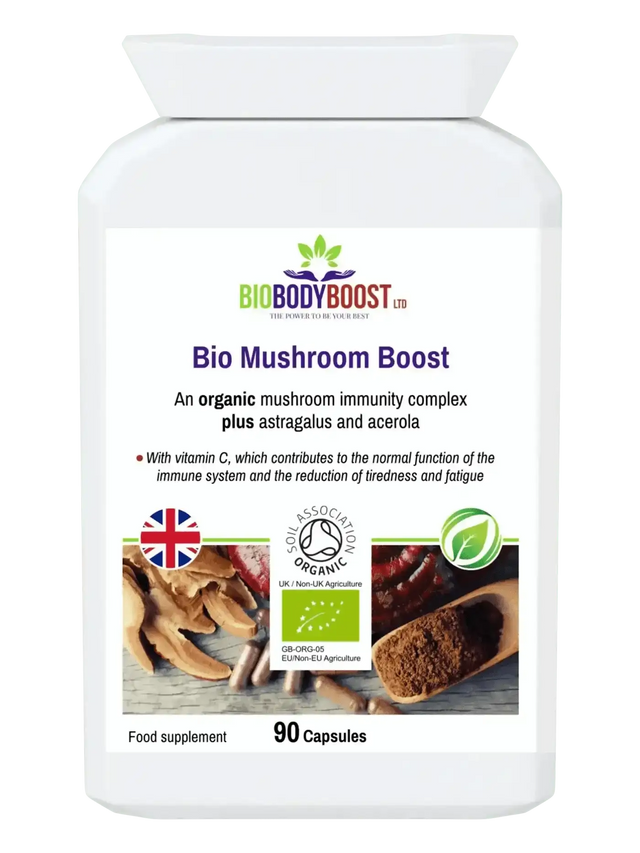
Take one capsule daily with food — at that rate the 100-capsule pack lasts just over three months. For maximum antioxidant benefit, pair with BioBodyBoost immunity supplements including ImmuneBoost and Bio Mushroom Boost for comprehensive immune and antioxidant coverage.
For a claim-by-claim breakdown of exactly what's in the formula — every botanical named, and which health claims are legally permitted in the UK — read our full Acai Bio Complex review.
Is Acai Berry Worth Taking as a Supplement?
As a source of concentrated antioxidants and anti-inflammatory polyphenols from a whole-food source, yes — particularly for people whose diet is low in dark fruits and vegetables. Acai is not a weight loss supplement, a detox agent or a cure for anything. It is a nutritionally dense plant food in convenient capsule form, with genuine antioxidant and anti-inflammatory properties backed by reasonable evidence. Combined with a varied diet and other targeted supplements, it forms a useful part of a complete daily nutrition routine.