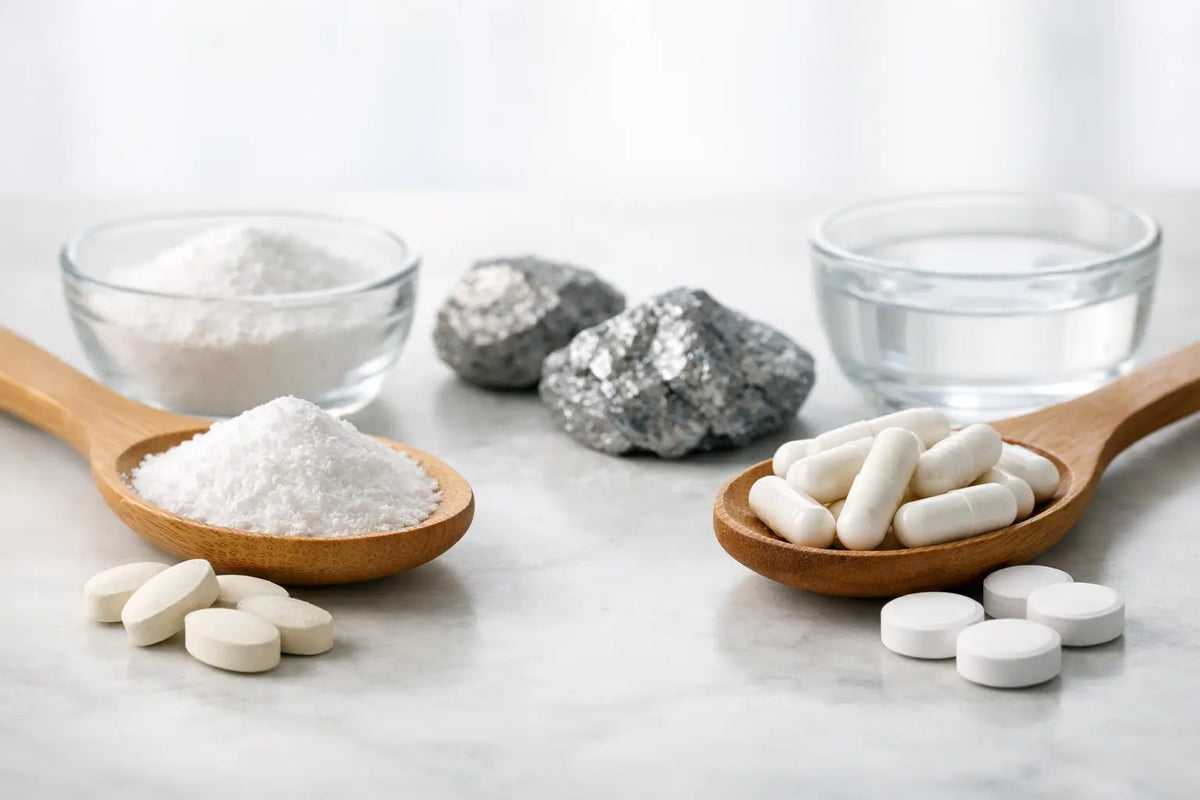
Quick answer: zinc bisglycinate and zinc citrate are the best-absorbed oral zinc forms, both significantly outperforming zinc oxide. Zinc gluconate is moderately well absorbed and widely used in clinical trials. Zinc oxide (≈5% bioavailability) is the least effective and found in many cheaper products. The elemental zinc content per serving matters more than the compound weight — always compare products on elemental zinc in mg, not total compound weight.
Why zinc form matters: the bioavailability evidence
Zinc absorption occurs primarily in the small intestine via zinc transporter proteins (ZIP4, ZnT5). The compound zinc is bound to in a supplement affects how readily it dissociates in the gut, how soluble it is at intestinal pH, and whether it competes with other minerals for absorption. Key data:
Zinc bisglycinate: a chelated form where zinc is bound to two glycine molecules. A 1987 study in the Journal of the American College of Nutrition (Gantz et al.) found zinc bisglycinate was absorbed approximately 43% better than zinc gluconate in healthy adults. Glycine chelation protects zinc from binding to phytates and other dietary inhibitors in the gut.
Zinc citrate: zinc bound to citric acid. A 2014 randomised crossover trial in the European Journal of Clinical Nutrition (Wegmüller et al., n=15) found zinc citrate was absorbed equivalently to zinc gluconate and significantly better than zinc oxide. Zinc citrate bioavailability approximately 61% relative to zinc sulfate reference; zinc oxide approximately 49%.
Zinc gluconate: zinc bound to gluconic acid (from glucose). Extensively used in clinical trials, well-documented absorption. A 2014 Nutrients review (Briefel et al.) confirmed zinc gluconate is well absorbed and appropriate for supplementation. Used as the standard comparison form in many zinc absorption studies.
Zinc oxide: the cheapest and most common form in low-cost multivitamins. Bioavailability approximately 49–60% of zinc gluconate in comparative studies. The 2014 Wegmüller et al. trial confirmed significantly lower absorption vs citrate and gluconate. Not recommended as a primary zinc supplementation form despite its prevalence.
Zinc picolinate: zinc bound to picolinic acid. A 1987 comparison study (Barrie et al., n=15) found zinc picolinate produced significantly higher tissue zinc levels than zinc citrate or zinc gluconate after 4 weeks. However, this is one small, older trial — more recent evidence does not consistently confirm this advantage.
Elemental zinc content: the number that actually matters
Different zinc compounds contain different percentages of elemental zinc by weight:
- Zinc bisglycinate: ~20% elemental zinc (so 50mg compound = ~10mg elemental)
- Zinc citrate: ~34% elemental zinc (so 30mg compound = ~10mg elemental)
- Zinc gluconate: ~14% elemental zinc (so 70mg compound = ~10mg elemental)
- Zinc oxide: ~80% elemental zinc (so 12.5mg compound = ~10mg elemental)
- Zinc picolinate: ~21% elemental zinc
A supplement listing "70mg zinc gluconate" and one listing "12.5mg zinc oxide" may both provide 10mg elemental zinc. The compound weight is meaningless for comparison — only elemental zinc in mg per serving tells you the dose. Reputable products always declare elemental zinc separately. If a label only lists the compound weight without the elemental content, that is a transparency failure.
UK reference intakes and upper limits
- UK RNI (Reference Nutrient Intake): 9.5mg/day for adult men; 7mg/day for adult women
- EU NRV (Nutrient Reference Value for labelling): 10mg/day
- UK safe upper level from supplements: 25mg elemental zinc/day (Expert Group on Vitamins and Minerals, 2003)
- EU tolerable upper intake level: 25mg/day total from all sources
Long-term zinc intake above 25mg/day from supplements impairs copper absorption — copper and zinc compete for the same intestinal transporter (DMT1). Chronic high-dose zinc (50mg+/day) causes clinical copper deficiency (anaemia, neurological symptoms) over time. If taking zinc long term above 15mg/day, choose a product that includes copper at approximately 1–2mg/day, or supplement copper separately.
Dietary factors that reduce zinc absorption
Phytates (phytic acid) — found in wholegrains, legumes, nuts and seeds — bind zinc in the gut and reduce absorption by 15–50% depending on phytate load. This is the primary reason vegetarians and vegans have higher zinc requirements than meat eaters: a 2002 position paper in the American Journal of Clinical Nutrition (Hunt) estimated plant-based diets may require 50% more zinc than omnivorous diets to achieve equivalent zinc status.
Practical implications:
- Take zinc supplements away from high-phytate meals (porridge, lentil dishes, bean-heavy meals) when possible
- Soaking and sprouting legumes reduces phytate content significantly
- Taking zinc with a protein-containing meal (eggs, tofu, meat) improves absorption vs a high-grain meal
- Calcium at high doses (>300mg) competes with zinc absorption — space zinc and high-calcium supplements by 2 hours
Drug interactions
- Antibiotics (fluoroquinolones, tetracyclines): zinc forms insoluble complexes with these antibiotics in the gut, reducing antibiotic absorption by 50–72% if taken simultaneously. Space zinc supplementation by at least 2 hours before or 4–6 hours after these antibiotics.
- Penicillamine (for rheumatoid arthritis): zinc significantly reduces penicillamine absorption. Space by 2 hours minimum.
- Thiazide diuretics: increase zinc urinary excretion — people on long-term thiazides may have higher zinc requirements.
- Proton pump inhibitors (omeprazole, lansoprazole): reduce gastric acid, which may modestly impair zinc absorption from some forms.
Who benefits most from zinc supplementation
- Vegans and vegetarians (higher requirements due to phytate inhibition)
- People with confirmed deficiency via blood test (serum zinc below 10.7 μmol/L in adults)
- People with Crohn's disease, ulcerative colitis or significant GI malabsorption
- People on long-term thiazide diuretics
- Older adults (zinc absorption decreases with age)
- People with frequent colds (zinc at 75mg+ elemental/day started within 24 hours of cold onset reduces duration by ~33% per 2011 Cochrane review — this is an acute use dose, not a daily maintenance dose)
Browse the full Halal Vitamins UK collection for zinc-containing supplements with declared elemental zinc content and allergen statements.
Which zinc supplement is best absorbed?
Zinc bisglycinate and zinc picolinate show the highest absorption in comparative studies, followed closely by zinc citrate and zinc gluconate. Zinc oxide is significantly less well absorbed and is best avoided as a primary zinc source despite being common in cheap multivitamins. In practice, zinc citrate and zinc gluconate are the most studied and most reliably absorbed forms at reasonable cost. The difference between bisglycinate and citrate is modest for most people eating a mixed diet; the difference between either of these and zinc oxide is clinically meaningful.
How much elemental zinc do I need per day?
The UK RNI is 9.5mg/day for men and 7mg/day for women. The EU NRV used on supplement labels is 10mg/day. Most adults eating a mixed diet get 8–12mg from food. Vegetarians and vegans may need 50% more due to phytate inhibition of absorption — up to 12–15mg/day elemental from diet and supplements combined. The safe upper limit from supplements is 25mg elemental/day. Long-term supplementation above this level risks copper deficiency. Always compare products on elemental zinc content, not compound weight.
Can I take zinc every day long term?
Yes, at appropriate doses. Daily supplementation at 10–15mg elemental zinc is well tolerated long term in healthy adults. Above 25mg/day from supplements, copper depletion risk increases — if using higher-dose zinc long term, include copper at 1–2mg/day. Zinc at 50mg+/day used acutely for cold reduction should not be continued beyond 5–7 days. High-dose zinc nasal sprays have caused permanent anosmia (loss of smell) in some users and should be avoided entirely.
Does zinc interact with my medication?
Yes — the most important interaction is with fluoroquinolone and tetracycline antibiotics. Zinc reduces their absorption by 50–72% if taken simultaneously. Space zinc by at least 2 hours before or 4–6 hours after these antibiotics. Zinc also reduces penicillamine absorption. If you take thiazide diuretics long term, your zinc requirements may be higher. If you take omeprazole or other PPIs, zinc citrate or bisglycinate are better choices than forms requiring high gastric acidity for dissolution.