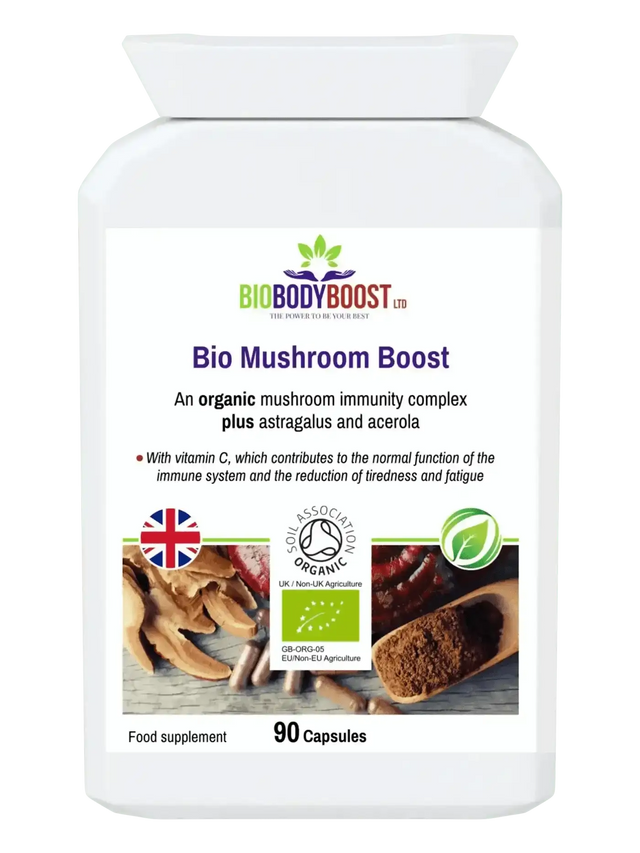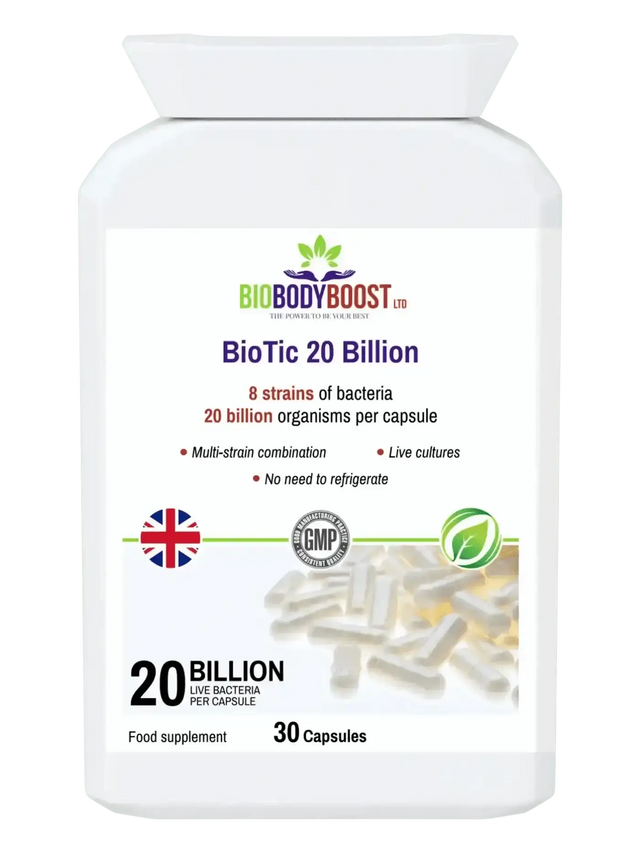

A kids multivitamin review UK parents can actually use should start with the real-life question: will this fit a child’s routine and provide sensible nutritional support without turning breakfast into a negotiation? The brightest label or biggest nutrient list is not automatically the best choice. A useful children’s multivitamin should be age-appropriate, easy to take, transparent about its ingredients and designed to complement a varied diet - not replace one.
For busy families, that means looking beyond marketing claims. Whether your child is a selective eater, follows a vegan diet, has a packed school and activity schedule, or simply needs a consistent nutritional back-up, the right formula can make daily wellness feel simpler.
What makes a good kids multivitamin in the UK?
The strongest children’s multivitamins focus on nutrients that can be harder to obtain consistently, while keeping doses appropriate for younger bodies. In the UK, vitamin D deserves particular attention. It supports normal immune function, bones, teeth and muscle function, and sunlight exposure is not always reliable through autumn and winter. Public health guidance also recommends a daily vitamin D supplement for children aged one to four years throughout the year.
Many parents also look for vitamin C, zinc, iodine and B vitamins. These nutrients each have different roles: vitamin C supports normal immune function and helps with iron absorption; iodine contributes to normal growth and cognitive function; and B vitamins support normal energy-yielding metabolism. The key is balance. More is not automatically better, especially where fat-soluble vitamins such as A and D are concerned.
Iron is a good example of why a tailored approach matters. It is essential for normal cognitive development and the formation of red blood cells, but it is not a nutrient every child should supplement routinely without a reason. If you are concerned about tiredness, pallor, restrictive eating or low iron intake, speak with a GP, pharmacist or registered dietitian rather than using a high-dose product as a shortcut.
A long ingredient list is not a quality guarantee
Some formulas include a wide range of vitamins, minerals, fruit powders and botanical ingredients. That can look impressive, but a label is only useful when it clearly states the amount of each active nutrient and the percentage of the relevant Nutrient Reference Value where applicable.
Prioritise a formula with meaningful, clearly disclosed quantities over one that relies on vague blends. For a family choosing plant-based supplements, it is also worth checking the source of vitamin D, the capsule or gummy base, and whether the product is genuinely suitable for vegan diets rather than merely free from gelatine.
Kids multivitamin review UK: the label checks that count
A quick label check can prevent a purchase based on flavour, colourful packaging or a bold front-of-pack claim. Look first for the stated age range. A supplement formulated for teenagers is not necessarily suitable for a toddler, and adult products should not be split or adapted for children unless a health professional has advised it.
Then check the serving size. One gummy may sound convenient, but some products require two or more each day. That is not inherently a problem, though it changes the sugar content, cost per day and likelihood that the tub will last as expected.
Sugar deserves a calm, practical assessment. A small amount may make a supplement palatable, particularly for younger children, but it should not be the main ingredient. Chewable formats can also cling to teeth, so giving them with a meal and maintaining good brushing habits is sensible. Sugar-free does not always mean better either, as some sweeteners may not suit every child’s digestion.
Finally, check for common dietary requirements. Families may need a gluten-free, dairy-free, halal or kosher option, while parents of children with allergies should read allergen statements closely every time they buy. Formulas can change, even when the packaging looks familiar.
Choosing the format your child will actually take
The best format is usually the one that causes the least daily friction. Chewables and gummies can be straightforward for children who dislike swallowing tablets, while liquids suit younger children and can be added to food where the instructions allow. Powders may work well in a smoothie or yoghurt, but only if the full serving is reliably finished.
Tablets and capsules can be lower in added sugars and flavourings, yet they are only useful for children old enough to swallow them safely and confidently. Do not pressure a child to take a format that feels difficult or unpleasant. A half-used supplement at the back of a cupboard is not supporting anyone’s routine.
Consistency matters more than chasing a perfect-looking formula. Choose a time that already happens most days, such as breakfast or after brushing teeth in the evening, and keep the product out of children’s reach. Supplements can look like sweets, which makes secure storage especially important.
Clean-label claims: what to look for
Parents who prefer natural, plant-based products are right to ask more questions. A clean label should mean more than a green leaf on the tub. Look for transparent ingredient sourcing, appropriate manufacturing standards and clear information on testing and quality controls.
Third-party testing can be a valuable trust signal, particularly when a brand explains what is tested and why. It may cover identity, purity or contaminants, depending on the programme. Equally, terms such as ‘natural’ and ‘organic’ should not be treated as proof that a supplement is necessary, higher quality or suitable for every child. The full label and the nutrient doses still matter most.
At BioBodyBoost, the principle is simple: family wellness products should make it easier to support everyday nutrition without unnecessary complexity. Plant-based choices, transparent formulations and quality-led sourcing help parents make decisions with more confidence.
When a multivitamin may be helpful - and when to seek advice
A children’s multivitamin can be a useful nutritional safety net during fussy eating phases, periods of rapid growth, restricted diets or busy family routines where meals are not always textbook-perfect. It may also be worth considering for children who avoid key food groups, provided the formula matches their individual needs.
However, supplements are not a fix for persistent symptoms or a very limited diet. Ongoing fatigue, poor growth, frequent illness, stomach pain, unexplained weight change, swallowing difficulties or significant food avoidance all deserve professional advice. A GP or registered dietitian can assess the wider picture and, if needed, recommend testing or targeted support.
Be especially careful when combining products. A multivitamin, fortified breakfast cereal, vitamin D drops and a separate immune formula can overlap. Check totals before adding another supplement, and follow the label’s age guidance and maximum daily dose.
Build the routine around food first
No multivitamin can replicate the fibre, protein, healthy fats and variety found in regular meals and snacks. The aim is not food perfection. It is building a repeatable pattern: fruit or vegetables where possible, protein at meals, calcium-rich choices or fortified alternatives, wholegrains, and a variety of colours across the week.
For children on vegan or highly restricted diets, a little extra planning can make a meaningful difference. Vitamin B12, iodine, vitamin D, calcium, iron and omega-3 intake may need particular attention, but individual needs vary. This is where advice from a registered dietitian can turn guesswork into a plan that works for the whole family.
A good children’s multivitamin should feel like a quiet daily back-up, not a battle or a miracle promise. Pick a transparent, age-suitable formula your child can take consistently, keep meals at the heart of the routine, and use professional support whenever something does not feel right.