
You feel good after training, then your protein shake leaves you bloated, heavy or just not keen to drink it again tomorrow. That is usually where the vegan protein versus whey protein question stops being theoretical and starts becoming practical. The right choice is not just about grams per serving. It is about recovery, digestion, routine, ethics and whether you can actually use it consistently.
For some people, whey works brilliantly. It is familiar, effective and naturally rich in essential amino acids. For others, a well-formulated vegan blend is the smarter daily fit - especially when dairy does not sit well, ingredient quality matters, or plant-based eating is part of a wider health goal. The real answer depends on what your body tolerates, what results you want, and what you want your nutrition to support long term.
Vegan protein versus whey protein - what is the real difference?
Whey protein is a milk-derived protein, usually separated during cheese production and refined into powder. It has built its reputation in sports nutrition because it is quickly digested and high in leucine, one of the key amino acids linked to muscle protein synthesis.
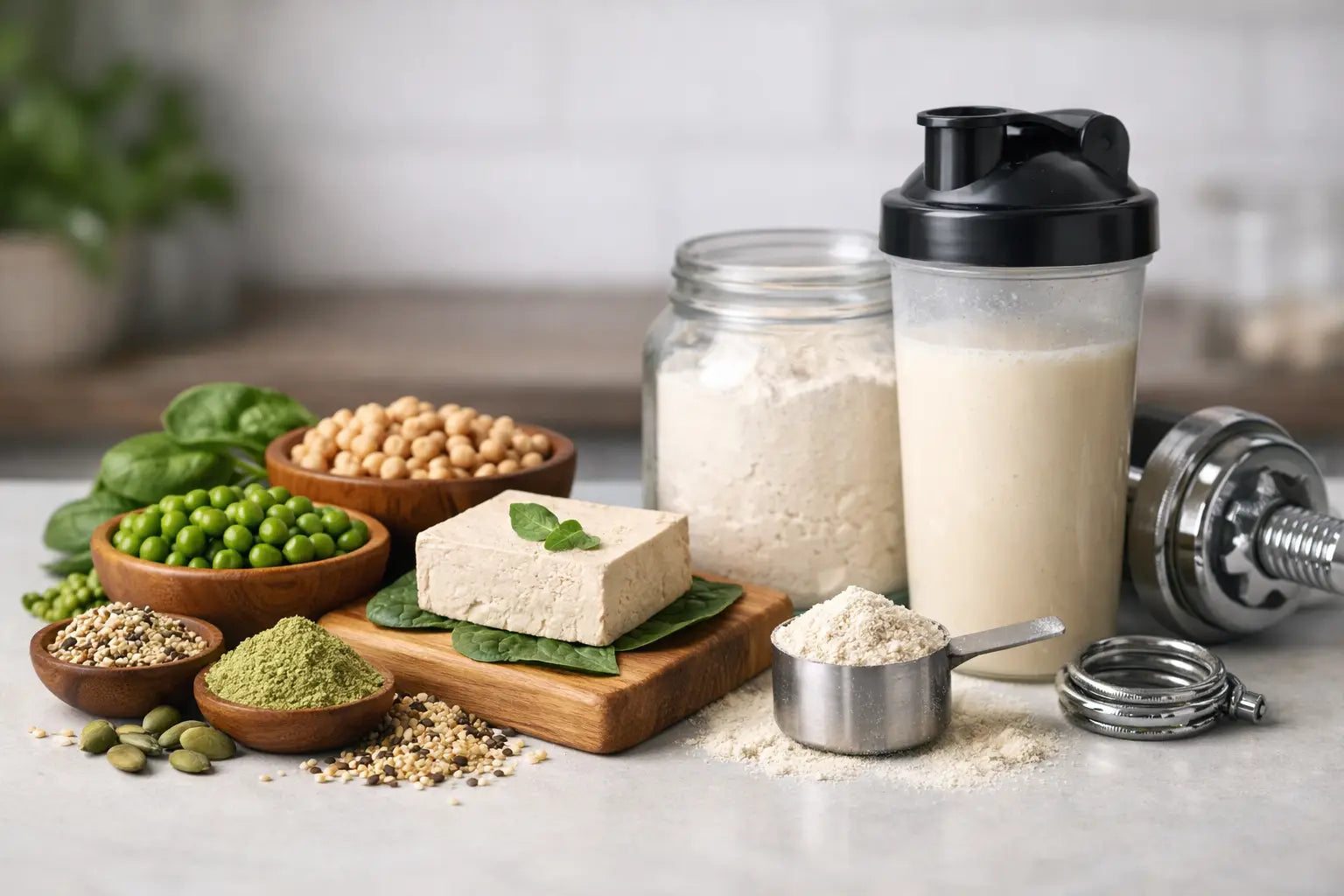
Vegan protein usually comes from plant sources such as pea, brown rice, hemp, pumpkin seed or soy. On its own, one plant source may not match whey’s amino acid profile perfectly, which is why stronger plant formulas often combine several sources. That matters because the better the blend, the better the support for muscle repair, satiety and steady daily intake.
The biggest mistake is treating all vegan proteins as one thing and all whey proteins as another. Quality varies on both sides. A cheap whey can be packed with fillers and sweeteners. A weak plant protein can be gritty, low in key amino acids and hard to enjoy daily. The better comparison is high-quality whey versus high-quality vegan protein.
Muscle recovery and performance
If your top priority is post-workout recovery, whey has one obvious strength. It is complete, meaning it contains all nine essential amino acids, and it tends to be naturally high in leucine. That gives it a strong evidence base for supporting muscle repair and strength goals.
That said, vegan protein has moved on. A well-designed blend can also deliver a complete amino acid profile and enough leucine to support recovery, especially when the serving size is appropriate. For many active adults, the gap is smaller than people think. If total daily protein intake is strong and training is consistent, vegan protein can support lean muscle goals very effectively.
There is still some nuance here. If you are an athlete chasing maximum muscle gain and every training variable is tightly managed, whey may retain a slight edge in efficiency per scoop. But if your routine is built around sustainability, digestion and long-term compliance, a clean plant blend may be the better performer because you are more likely to stick with it.
Digestion changes everything
This is where the conversation often shifts. A protein powder only helps if your body handles it well.
Whey can be easy for some people, but not for everyone. Because it is dairy-based, it may trigger bloating, discomfort or heaviness in those who are sensitive to lactose or dairy proteins. Even whey isolate, which is lower in lactose, is not automatically trouble-free for every gut.
Vegan protein is often the better choice for people who want no dairy and less digestive disruption. That does not mean every plant protein feels light - some blends are chalky or can feel dense - but many people find plant-based formulas easier to fit into daily life, especially when paired with digestive-friendly ingredients and a cleaner label.
If you regularly feel puffy, unsettled or sluggish after a shake, digestion should not be treated as a side issue. It is central to performance. Better gut comfort usually means better consistency, and consistency drives results.
Ingredient quality matters more than protein source alone
The protein source gets the headline, but the full ingredient panel tells the real story.
Some whey products rely on artificial flavourings, gums, thickeners and sweeteners to improve texture and taste. Some vegan products do exactly the same. If your goal is better daily performance, cleaner energy and fewer digestive complaints, look beyond the marketing on the front.
A stronger formula tends to keep things straightforward - quality protein sources, sensible flavouring, no unnecessary filler load, and transparent testing. For health-conscious buyers, especially those balancing fitness with wider wellbeing goals, this matters. You are not just choosing a post-gym product. You are choosing something that may become part of your breakfast, your recovery routine or your busy weekday nutrition.
That is one reason plant-based protein has gained ground. It often aligns more naturally with a clean-label approach, especially for people looking for vegan, dairy-free and more ethically compatible options without compromising on function.
Vegan protein versus whey protein for weight management
Protein in general helps with fullness, appetite control and preserving lean mass during a calorie deficit. Both whey and vegan protein can play that role well.
Whey is often praised for being light and efficient, which can make it useful after training or as a quick snack. Vegan protein can be especially helpful if you want a shake that feels more substantial and supports satiety between meals. Depending on the blend, plant protein may also bring a little extra fibre or a steadier, more grounded feel.
This is an area where lifestyle matters. If you are skipping meals, grabbing food on the go and trying to avoid the blood sugar crash that leads to biscuit tin decisions by 4 pm, the best protein is the one that keeps you full, comfortable and consistent. For some, that is whey. For others, it is a plant blend that feels easier on the stomach and fits a broader whole-food mindset.
Allergies, ethics and dietary fit
For many people, this is not just a nutrition decision. It is a values decision.
Whey is not suitable for a vegan diet, and it will not work for anyone avoiding dairy for ethical, religious or digestive reasons. Vegan protein is naturally more versatile for modern dietary needs. It can fit vegan, dairy-free and often gluten-free lifestyles more easily, while also helping households simplify shopping when different family members have different restrictions.
There is also the environmental side. Plant proteins are often chosen by people who want a lower-impact option alongside their health goals. That does not mean everyone needs to prioritise sustainability in the same way, but for many buyers it is part of the wider picture. Feeling stronger while keeping choices aligned with your values can make a routine easier to maintain.
Taste, texture and daily use
Let us be honest - if a protein powder tastes poor, sits badly or turns every smoothie into a thick paste, it is not staying in your routine.
Whey usually wins on creaminess and familiarity. It mixes easily and can have a milkshake-like texture that many people enjoy. Vegan protein has historically had a reputation for being gritty, earthy or heavy, although modern blends have improved significantly.
The better plant proteins now mix well and taste balanced without relying on an overly sweet finish. Still, there is variation. Pea-heavy formulas can be denser. Rice protein can feel lighter but may need blending support. Mixed-source formulas often give the best middle ground.
Daily use matters more than perfect lab conditions. If your protein works in porridge, smoothies and quick shaker bottles, and it does not leave you regretting it an hour later, that is a practical win.
Which one should you choose?
If you tolerate dairy well, want a fast-digesting complete protein and your main goal is muscle recovery with minimal fuss, whey remains a strong option. It is effective, familiar and backed by years of use.
If you want a dairy-free option, prefer clean-label nutrition, follow a plant-based lifestyle, or simply feel better on non-dairy products, vegan protein is often the smarter long-term choice. With the right blend, you can still support muscle repair, fullness and daily performance without the digestive downsides some people get from whey.
For many adults, the decision comes down to this: not which protein is theoretically best, but which one helps you recover well, feel lighter and stay consistent. That is a more useful standard than gym folklore.
At BioBodyBoost, that is the lens worth keeping - choose the option that supports your body, fits your values and makes healthy habits easier to repeat. The best protein is the one you can trust, tolerate and actually want to use again tomorrow.


