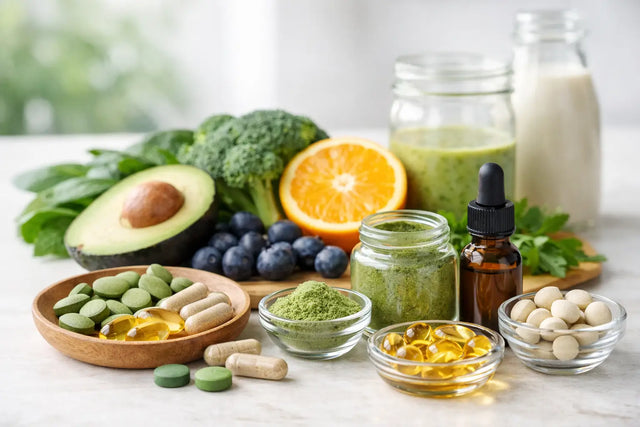
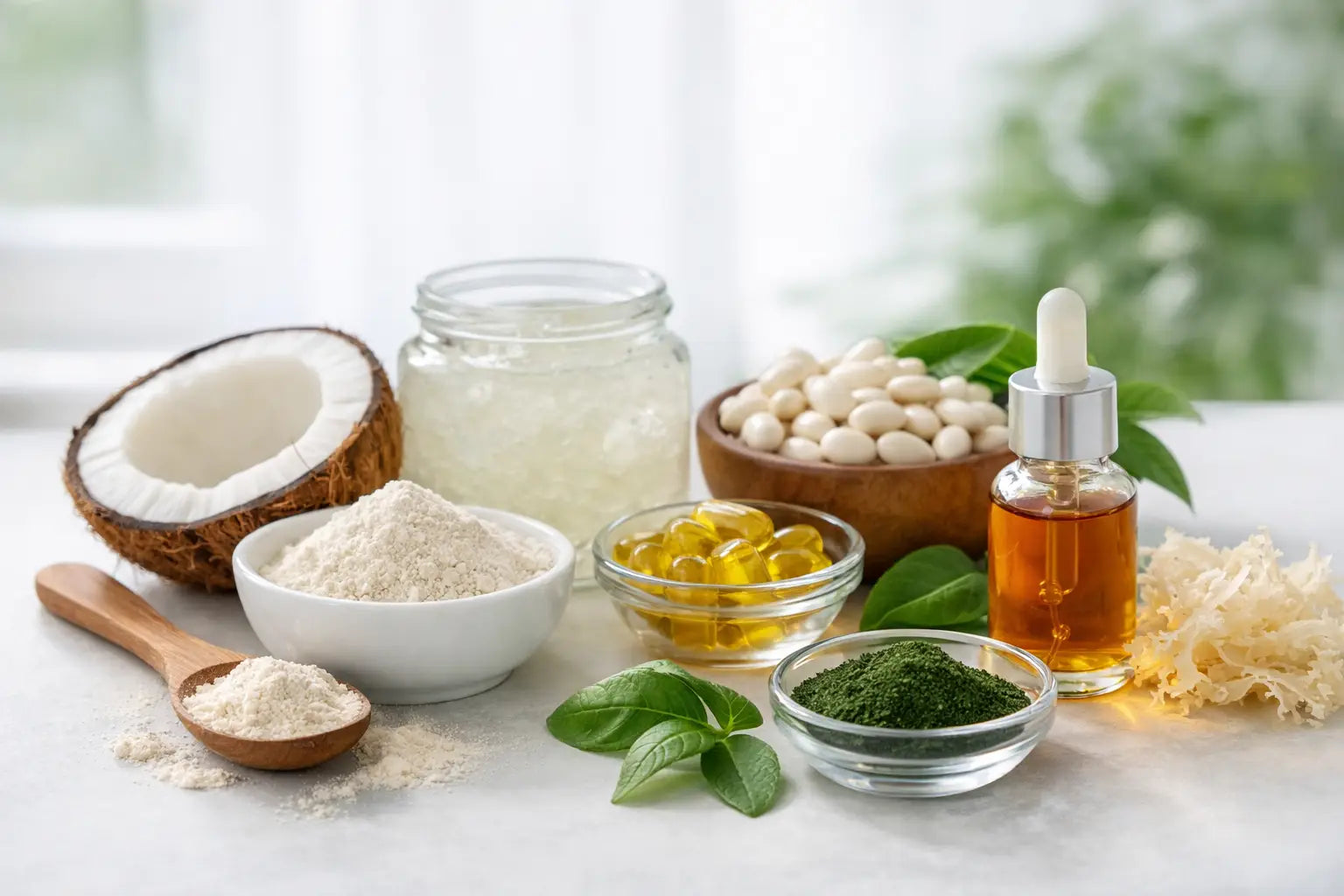
Collagen gets a lot of attention, but the awkward truth is simple - there is no true vegan collagen supplement in the same sense as marine or bovine collagen. That is why a proper vegan collagen alternatives review matters. If you want better skin support, joint comfort, recovery, or healthier hair and nails without animal ingredients, the real question is not which vegan collagen to buy. It is which plant-based ingredients help your body make and protect its own collagen.
That shift in thinking changes everything. Instead of chasing a label, you are looking for a blend that supports collagen synthesis, reduces breakdown, and fits your routine without upsetting your gut or clashing with your values.
Vegan collagen alternatives review - what are you actually buying?
Most products sold as vegan collagen support do one of two things. They either provide the nutrients your body needs to produce collagen naturally, or they focus on antioxidant and structural support that helps maintain skin and connective tissue over time. Both approaches can be useful, but they are not interchangeable.
Your body makes collagen from amino acids, with vitamin C playing a central role in the process. Minerals such as zinc and copper also matter, and certain plant compounds may help by reducing oxidative stress that can accelerate collagen breakdown. So when you read a label, ignore the front-of-pack buzzwords for a moment and check whether the formula actually covers those basics.
A good product should have a clear purpose. If it promises everything at once - firmer skin, pain-free knees, faster muscle recovery, thicker hair, and instant glow - it is usually leaning harder on marketing than formulation.
What works best in plant-based collagen support
The strongest vegan collagen alternatives are usually not the flashiest. They are built around ingredients with a credible role in collagen production or tissue support.
Vitamin C is non-negotiable
If a vegan collagen support formula does not contain vitamin C, it is missing the most obvious piece of the puzzle. Vitamin C is required for normal collagen formation, which means it is foundational for skin, cartilage, bones, gums, and blood vessels. In practical terms, that makes it one of the most useful nutrients in any beauty and mobility blend.
It also helps that vitamin C is easy to tolerate for most people and fits neatly into a daily wellness routine. For many, this is the first thing to look for.
Amino acids need context
Collagen itself is made from amino acids, particularly glycine, proline, and hydroxyproline. Plant-based formulas cannot supply collagen in its animal-derived form, but they can include amino acid support or protein sources that help the body access the building blocks it needs.
This is where products vary. Some use single amino acids. Others rely on broader plant protein support. Neither option is automatically better. If your overall diet is already strong in protein, you may get more value from a formula that focuses on vitamin C, minerals, and antioxidant support rather than adding small amounts of amino acids that do little.
Zinc and copper deserve more attention
These minerals are often underplayed, but they matter. Zinc contributes to normal skin maintenance and helps with tissue repair. Copper contributes to normal connective tissue and also supports normal skin and hair pigmentation. In a smart blend, they can make real sense.
The catch is balance. Heavy-handed dosing is not always better, especially if you already take a multivitamin. Too much zinc over time can create knock-on issues with copper status, so formulas need to be considered in the context of your full supplement routine.
Silica and botanical support can help, but quality matters
Silica is often included in beauty formulas aimed at skin, hair, and nails. It is popular for a reason, though the evidence is not as straightforward as the hype sometimes suggests. It can be a useful support ingredient, especially in broader beauty and tissue blends, but it should not be treated as magic.
Botanicals rich in antioxidants can also be valuable. They may help protect collagen from oxidative stress caused by factors like UV exposure, poor sleep, and daily environmental pressure. That said, generic plant extracts with unclear standardisation are less convincing than research-backed ingredients used at meaningful levels.
What to be cautious about in a vegan collagen alternatives review
This category attracts big promises because collagen is linked to visible results. Skin texture, elasticity, nail strength, post-training recovery, joint comfort - these are all goals people care about. That makes it easy for weak products to hide behind trend-led packaging.
Be cautious with proprietary blends that do not disclose exact ingredient amounts. If you cannot see the dose, you cannot properly assess whether the formula is likely to do anything useful. The same applies to products that rely on one fashionable botanical and call it collagen support without including vitamin C or any structural nutrients.
It is also worth being realistic about timelines. Plant-based collagen support is not a quick-fix category. If a formula is well designed, you are still looking at consistent daily use over weeks, often longer, before judging visible or functional results. Skin turnover takes time. Joint support takes time. Hair and nails take even longer.
Skin, joints, or recovery - the best choice depends on your goal
A smart vegan collagen alternatives review should not pretend every customer needs the same formula. Your goal changes what matters.
For skin and glow support
Look for vitamin C first, then zinc, copper, and antioxidant-rich botanicals. If the formula includes hyaluronic acid support from fermentation-derived sources, that may also be useful for hydration-focused results. This type of product suits people noticing dullness, dryness, or skin that looks more tired than usual after busy weeks and poor sleep.
For joint mobility and connective tissue support
Prioritise collagen-formation nutrients, but also look for ingredients linked to inflammation balance and recovery. Plant-based mobility blends may combine vitamin C with minerals and botanicals traditionally used for joint comfort. This route often makes more sense than buying a beauty-led formula and hoping it helps your knees after training.
For exercise recovery
If your main concern is post-workout soreness or maintaining connective tissue while training hard, broad nutrition matters as much as any specialist blend. A product with vitamin C and supportive minerals can still play a role, but adequate protein intake, sleep, hydration, and overall recovery habits need to be in place. No supplement can outwork a weak routine.
How to judge quality before you buy
The fastest way to sort strong formulas from weak ones is to look for clean-label discipline and evidence of quality control. Third-party testing, transparent dosing, and sensible ingredient combinations are good signs. So is a formula that avoids unnecessary fillers and does not overload you with ingredients that have no clear job.
This matters even more if you are choosing supplements around dietary standards such as vegan, halal, kosher, dairy-free, or gluten-free. A clean formula is not just about preferences. It improves trust and often makes daily use easier, especially if you have a sensitive stomach or already take other products.
A well-built supplement should feel like a simple daily upgrade, not a complicated protocol. If the serving size is excessive or the ingredient list reads like a chemistry experiment, consistency usually drops.
The real strengths and limits of vegan collagen alternatives
Plant-based collagen support has genuine strengths. It aligns with ethical and dietary preferences, can be easier to digest than some animal-derived products, and often comes with wider nutritional support rather than isolated collagen peptides alone. For people focused on clean ingredients and long-term wellness, that is a strong fit.
There are limits too. If you are comparing it directly with animal collagen peptides, you are not comparing like with like. One provides collagen itself. The other supports your body’s own collagen production and protection. That does not make vegan alternatives ineffective, but it does mean expectations need to be set properly.
The best results usually come when the supplement matches both your goal and your baseline. Someone eating a balanced diet with good protein intake may only need targeted skin-support nutrients. Someone under-eating, overtraining, and sleeping badly may need broader nutritional support before any beauty blend makes a visible difference.
Who should consider them?
If you want plant-based support for skin health, joint mobility, or connective tissue maintenance, vegan collagen alternatives are well worth considering. They make particular sense for people who want a natural alternative, prefer research-backed blends, and do not want animal-derived ingredients in a daily supplement routine.
They are also a sensible option for people who think collagen is the missing piece, when the real issue may be inconsistent nutrition, low vitamin C intake, or recovery habits that are stretching the body too hard. In that case, a smarter formula can support better results than a trend-led product with a bigger headline.
At BioBodyBoost, that cleaner, more practical approach is the one that lasts. Choose formulas that support the body’s own processes, respect ingredient quality, and fit real life. The best supplement is not the one with the loudest claims. It is the one you can trust, use consistently, and actually feel good taking.