Reporting this summer described students on stimulant ADHD medication taking twenty pills a day — the prescription, then a tower of supplements assembled from TikTok. The medical concern isn't that supplements are dangerous; it's that nobody in these stacks is checking the combinations. This guide exists to make that conversation happen properly. It is information, not medical advice: your prescriber and pharmacist — who know your medication, dose and history — are the only people who can clear your specific stack. Bring this article to them, don't substitute it for them.
The One Rule That Covers Most of It
Stimulant medication + more stimulants = the main risk. Methylphenidate and amphetamine-based ADHD medications already raise heart rate, blood pressure and arousal. The combinations that most commonly cause trouble are the obvious-in-hindsight ones: energy drinks, pre-workouts, high-caffeine "focus" products and fat burners layered on top. Symptoms of the pile-up: racing heart, anxiety spikes, appetite gone entirely, sleep destroyed. If you take stimulant medication, count every caffeine source you consume — including our own BioBrain, which contains 100mg per serving and which we'd rather you cleared with a pharmacist first than bought blind.
Combinations That Raise Genuine Flags — Ask Before Taking
- High-dose vitamin C timed with amphetamine-based medication — acidifying agents can reduce absorption; spacing doses apart is the commonly advised workaround. Ask your pharmacist about timing.
- St John's Wort — interacts with a long list of psychiatric medications; genuinely one to avoid without specialist advice.
- Bacopa and sedative herbs (valerian etc.) alongside SSRIs or sleep medication — additive effects are plausible; clear it first.
- Tyrosine megadosing — tyrosine is a catecholamine precursor, the same pathway stimulant medication acts on; the interaction is theoretical but the logic says ask, not assume.
- Anything from grey-market nootropic sites — unregulated compounds with no UK food status and no interaction data at all.
Generally Considered Lower-Risk — Still Tell Your Prescriber
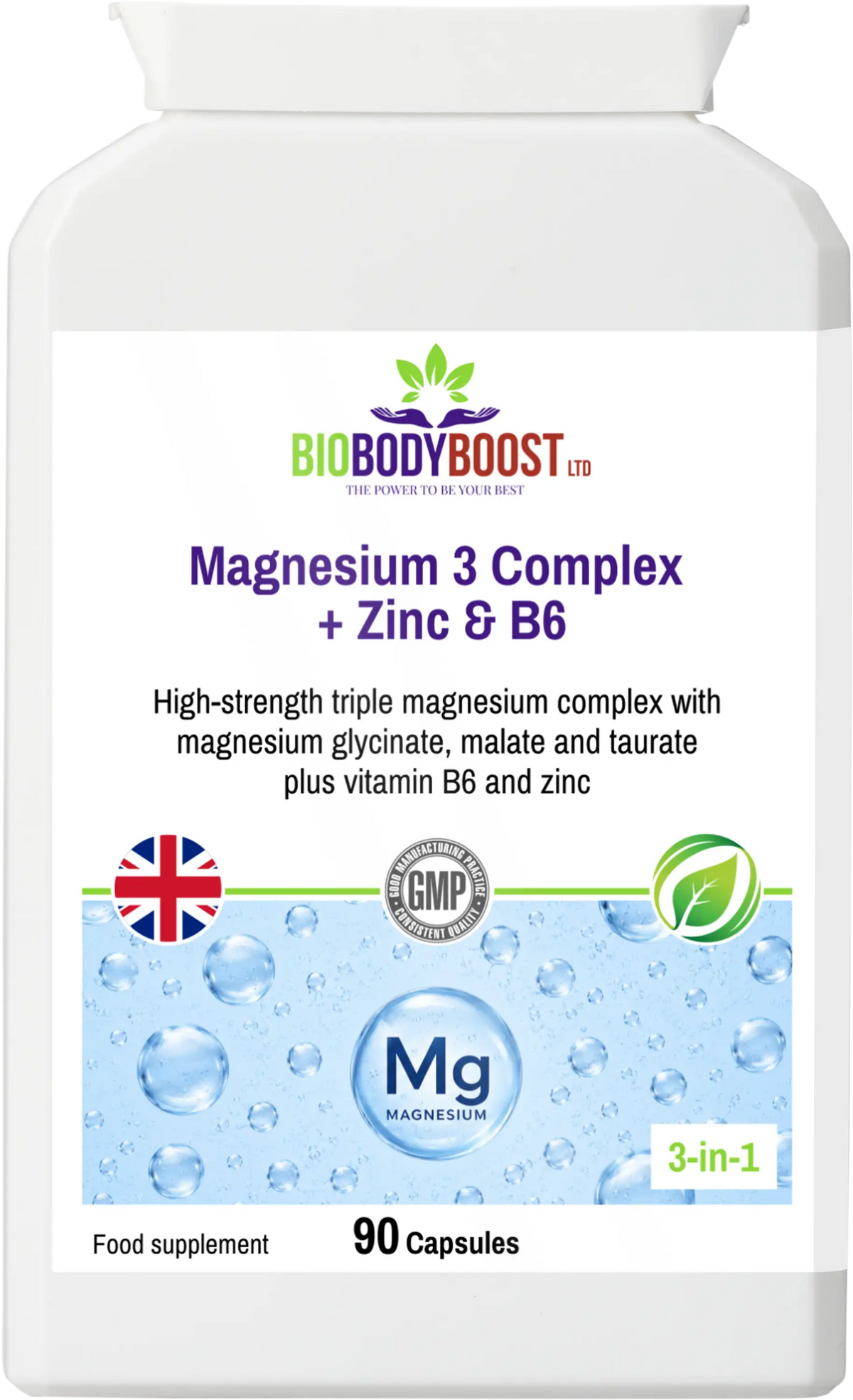
- Magnesium — the most defensible item in the typical stack: stimulant medication commonly disturbs sleep and appetite, and magnesium contributes to normal psychological and nervous system function and reduction of tiredness (authorised claims). Evening glycinate is the usual pattern: Magnesium 3 Complex.
- Omega-3 (EPA/DHA) — among the most-studied nutrients in attention research; widely co-used. Options: OmegaBalance or AstaxaKrill.
- A standard multivitamin — appetite suppression shrinks food intake; basic micronutrient insurance is reasonable: Daily Multi.
- Probiotics, vitamin D — no meaningful stimulant interaction pathway.

The Questions to Actually Ask Your Pharmacist
- "Does anything here affect how my medication is absorbed, and should I space doses?"
- "What's my sensible daily caffeine ceiling on this medication?"
- "Any of these act on serotonin or dopamine pathways I should know about?"
- "Which of my side effects — sleep, appetite — could nutrition address before adding more capsules?"
Pharmacists answer these for free, faster than a GP appointment, and would far rather be asked than not.
The Honest Bottom Line
Supplements can sensibly support the side effects of ADHD treatment — sleep, appetite, nutrient intake — and cannot replace the treatment itself. Anyone selling a "natural Adderall alternative" is selling fiction. Build the support layer with your prescriber's knowledge, one addition at a time, and the stack stays what it should be: boring, safe and useful. Our wider student guide: the StudyTok stack audit.
FAQs
Can I take magnesium with ADHD medication?
It's among the combinations generally regarded as low-risk and is commonly used for medication-related sleep disruption — but tell your prescriber, as with everything.
Does vitamin C cancel out ADHD medication?
"Cancel" overstates it — acidic supplements timed together with amphetamine-based medication can reduce absorption, which is why spacing is commonly advised. Your pharmacist can give timing for your specific prescription.
Can supplements replace ADHD medication?
No. Some nutrients have supportive research alongside treatment; nothing over the counter replicates prescription efficacy, and stopping medication is a decision for you and your prescriber only.
Is caffeine safe with ADHD medication?
Dose-dependent and individual — some tolerate moderate amounts, others get cardiovascular and anxiety effects quickly. Count all sources and agree a ceiling with your pharmacist.
This article is general information, not medical advice. Never start, stop or combine anything with prescription ADHD medication without your prescriber or pharmacist. Food supplements should not replace a varied diet or medical treatment.