Always discuss specific supplement use with your GP or pharmacist if you take the contraceptive pill or any prescribed medication.
Quick answer: most standard vitamins and minerals do not significantly interact with the combined or progesterone-only contraceptive pill. The meaningful interactions are: St John’s Wort (reduces pill efficacy — significant, clinically important), and several nutrients that the pill depletes including B6, B12, folate, magnesium and zinc. Supplementing these depleted nutrients is appropriate and evidence-based for women on long-term contraceptive pill use.
St John’s Wort — the dangerous interaction
St John’s Wort (Hypericum perforatum) is a potent CYP3A4 inducer that significantly accelerates the metabolism of contraceptive pill hormones, reducing their plasma levels and efficacy. The NHS explicitly warns that St John’s Wort can make the contraceptive pill less effective, increasing risk of unintended pregnancy. This is a clinically confirmed pharmacokinetic interaction. BioBodyBoost does not sell St John’s Wort.
Nutrients the contraceptive pill depletes
This is the most clinically relevant nutritional consideration for long-term pill users:
- Folate (B9): Shojania 1982 (AJOG) confirmed significantly lower red blood cell folate in OCP users. Women planning to stop the pill and conceive need to replenish folate stores — the NHS recommends 400mcg folic acid daily when trying to conceive.
- B6: OCP increases B6 demand in tryptophan-serotonin metabolism. B6 depletion associated with mood symptoms on the pill.
- B12: reduced absorption observed in multiple studies. Particularly relevant for vegetarian/vegan women.
- Magnesium: consistently lower in OCP users. Relevant for fatigue, mood and muscle cramping.
- Zinc: oestrogen increases copper-binding proteins, reducing zinc. Zinc at 10–15mg/day corrects the imbalance.
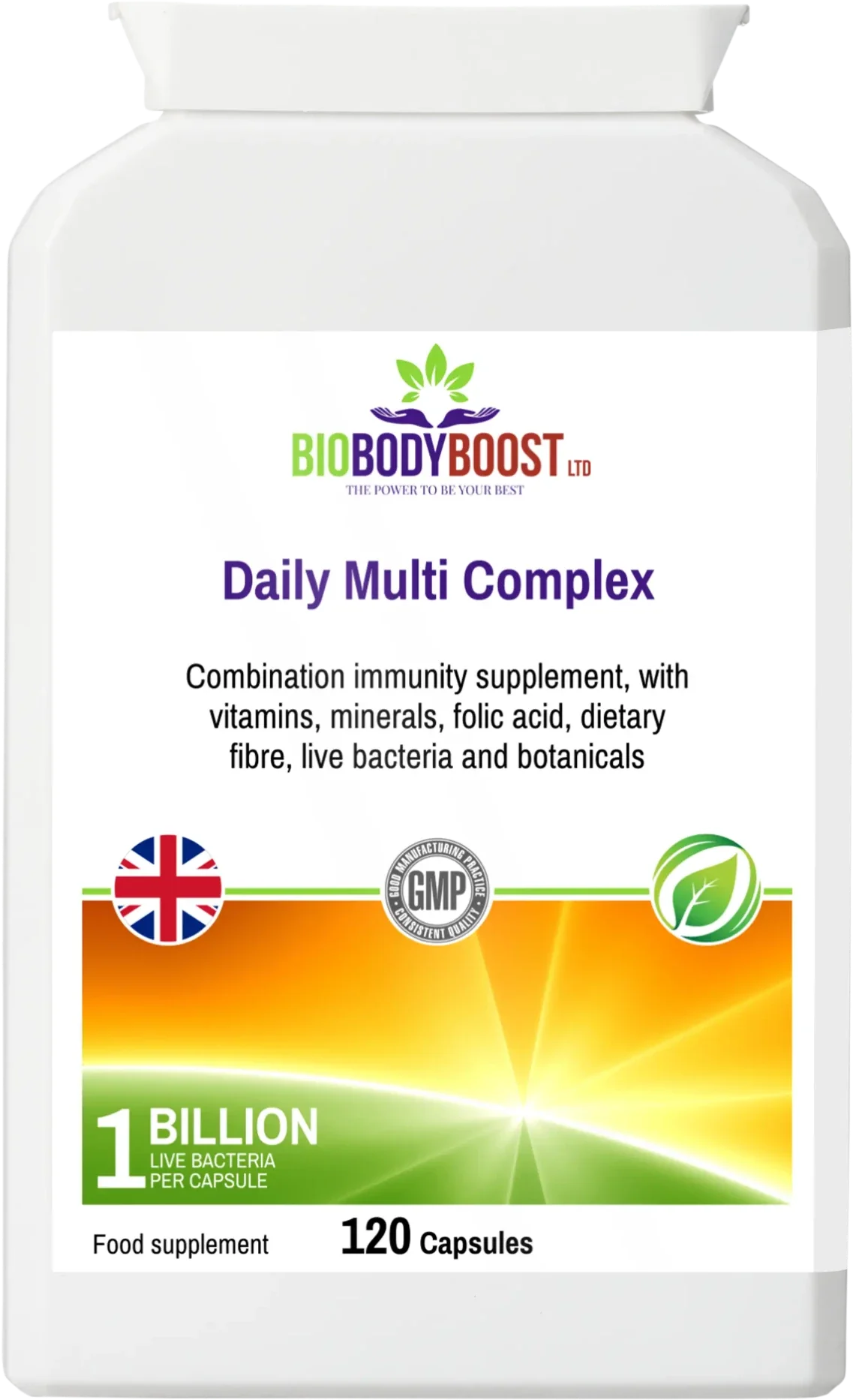
Daily Multi Complex provides folate, B6, B12, zinc and magnesium alongside 17 nutrients in one halal certified HPMC capsule — the practical daily multivitamin for women on long-term OCP. Daily Multi Complex. Halal certified, vegan. Browse the full Halal Vitamins UK collection.
Does ashwagandha affect the contraceptive pill?
No clinically significant pharmacokinetic interaction is established between ashwagandha at standard adaptogenic doses (300–600mg KSM-66/day) and the contraceptive pill. Ashwagandha is not a significant CYP3A4 inducer at these doses — unlike St John’s Wort. However, ashwagandha modulates cortisol and may influence DHEA; women with hormone-sensitive conditions should discuss with their GP before starting any adaptogen.
Can I take vitamin C with the contraceptive pill?
At standard supplement doses (200–500mg), vitamin C has no significant interaction with the contraceptive pill. High-dose ascorbic acid (1,000mg+) taken simultaneously may slightly increase estrogen levels by competing for hepatic metabolism — the clinical significance is considered negligible by most pharmacologists but spacing by 4 hours is the conservative approach at very high doses. BioBodyBoost Liposomal Vitamin C at 500mg per serving has no established interaction concern.