Written by the BioBodyBoost team · Last updated August 2026 · General information, not medical advice — please speak to your GP or pharmacist about your own circumstances.
You can usually tell when a supplement is all marketing. The label shouts “ancient remedy” or “miracle detox”, but you are left with the same problems: sluggish mornings, bloating after meals, sore joints, restless sleep, or a stress load that sits in your chest all day.
Research-backed herbal supplements are the antidote to that noise. Not because herbs are perfect, but because the best ones come with patterns you can trust: repeatable outcomes in human studies, realistic dosing, and safety details that help you stay consistent without side effects.
What “research-backed” actually means for herbs
For herbs, research-backed is not the same as “clinically proven to cure.” Supplements are not medicines, and most real-world results sit in the territory of support: better sleep quality, calmer stress response, fewer digestive flare-ups, improved recovery. That is still genuinely valuable — it is just honest. In practice, research-backed herbal supplements have three things going for them: human evidence (not just animal or lab studies), a meaningful dose from a standardised extract, and quality cues like third-party testing and transparent sourcing.
The best-studied herbs by goal
Stress resilience: ashwagandha
Ashwagandha is one of the most researched adaptogens for stress. A double-blind, randomised controlled trial published in the Indian Journal of Psychological Medicine found KSM-66 ashwagandha extract significantly reduced perceived stress scores and serum cortisol levels versus placebo over 60 days. The key is standardisation — “ashwagandha 500mg” and “ashwagandha extract standardised to 5% withanolides” are very different products.
Joint comfort: curcumin (not just turmeric powder)
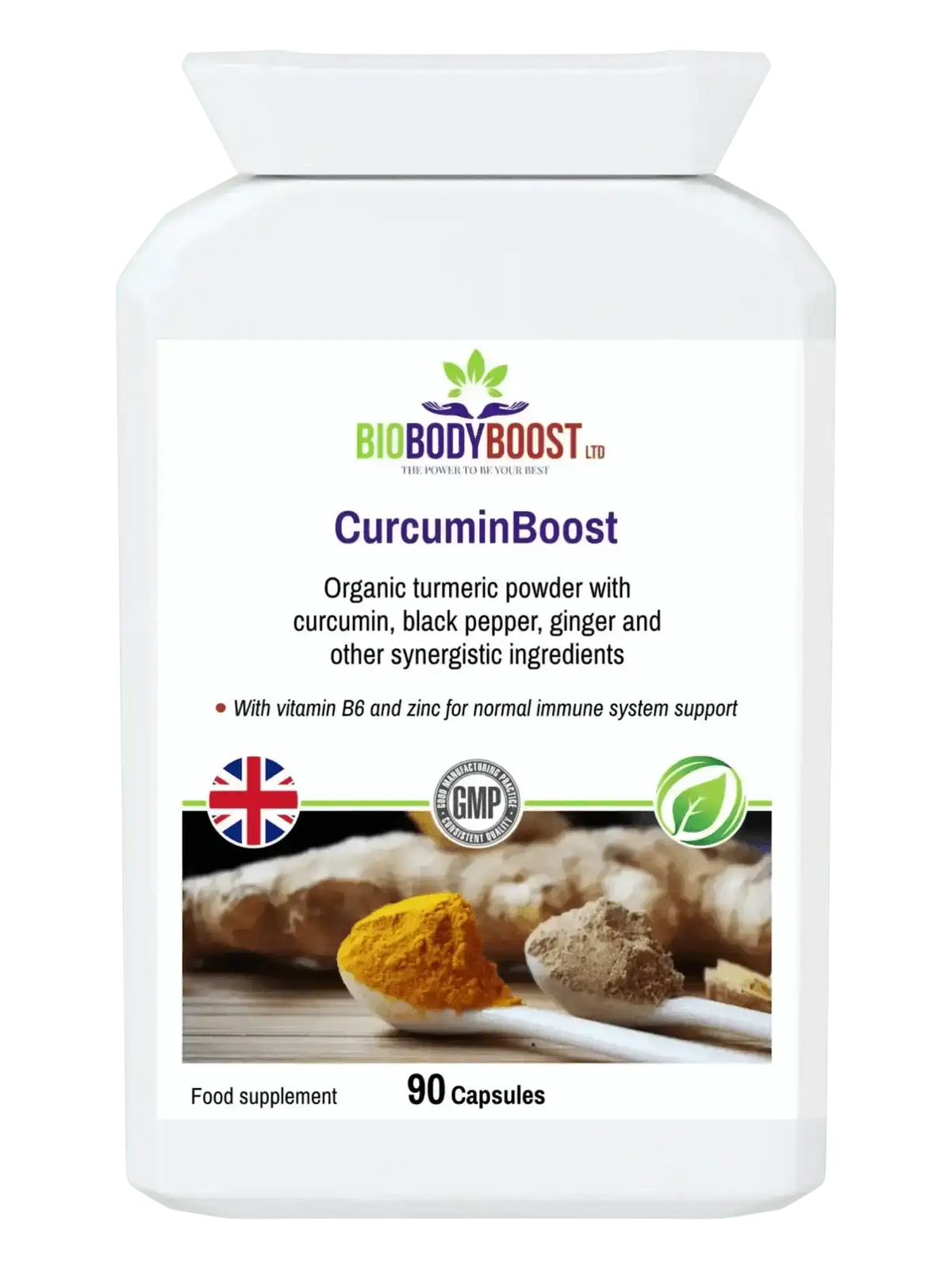
“Turmeric powder” and “curcumin extract” are not the same. Most research centres on curcumin, and one of the biggest challenges is absorption — which is why well-formulated products pair curcumin with piperine (black pepper extract) or use phospholipid complexes to improve bioavailability. A meta-analysis of 8 randomised trials reported reductions in inflammatory markers and joint pain scores versus placebo. This is a long-game supplement — weeks, not days. CurcuminBoost provides an organic turmeric curcumin complex with bioperine — halal approved, UK made.
Digestion: peppermint and ginger
Peppermint is well-evidenced for digestive comfort, particularly for cramping and gut spasms. A meta-analysis in the Journal of Clinical Gastroenterology confirmed peppermint oil supplementation reduced digestive symptom severity in trial participants, with effects on abdominal pain and bloating. Ginger has some of the most consistent evidence of any botanical for nausea, and also supports gastric motility — useful for people who feel heavy or sluggish after eating.
Sleep quality: valerian and lemon balm
Sleep herbs are a perfect example of “support, not sedation.” Valerian root and lemon balm are traditionally used for relaxation and sleep onset. Some human studies support improved sleep quality and reduced restlessness. The nuance: if your sleep is being disrupted by late caffeine, screen use or an overheated bedroom, no herb outworks those inputs. But if your routine is stable and your nervous system still struggles to downshift, these can be genuinely useful adjuncts.
Immune seasonal support: elderberry
Elderberry is most strategically used during higher-risk periods or at the first sign of feeling run down. A meta-analysis in Complementary Medicine Research found elderberry substantially reduces upper respiratory duration and severity when taken at onset. Timing matters — elderberry is not “never get ill.” It is “get less ill for less time.”
Research-backed herbs: what the evidence shows
| Herb | Primary goal | Evidence level | Key note |
|---|---|---|---|
| Ashwagandha (KSM-66) | Stress resilience, cortisol reduction | Strong | Standardised extract only; take consistently |
| Curcumin (with bioperine) | Joint comfort, recovery | Strong | Needs 4–8 weeks; bioavailability matters |
| Peppermint (enteric-coated oil) | Digestive comfort, bloating | Strong | May worsen reflux in some individuals |
| Ginger | Nausea, gastric motility | Good | Can be too stimulating at high doses |
| Valerian + lemon balm | Sleep onset, relaxation | Moderate | Works best alongside good sleep hygiene |
| Elderberry | Immune seasonal support | Moderate | Use at onset; not a preventive blanket |
How to build a herbal routine that actually sticks
Most people do better with one clear priority rather than a cupboard full of half-used bottles. Pick one goal for the next 30 days. Choose one primary herb (or a tight blend) that matches that goal and take it consistently. Keep the rest of your routine stable so you can tell what is helping. Pair it with one behaviour that makes the herb more likely to work: for stress, a hard cutoff time for emails; for digestion, slower meals and a fibre baseline; for joint support, daily steps and adequate protein.
Safety and interactions
Herbs can be powerful — that is the point. If you are pregnant, breastfeeding, taking prescription medicines or managing a chronic condition, check with a pharmacist before starting a new herbal supplement. Blood thinners, immunosuppressants and mood/sleep medications have the most documented herb interactions. Pay attention to your own response: if a calming herb makes you groggy, reduce the dose or shift timing.
Frequently asked questions
How long do herbal supplements take to work?
It depends on the herb and the goal. Ginger and peppermint work quickly for digestive comfort. Ashwagandha and curcumin typically need 4–6 weeks of consistent use to show their full effect. Sleep herbs are variable — some people notice changes within a week, others take longer.
Are herbal supplements safe to take daily?
The well-studied herbs at appropriate doses are generally safe for daily use in healthy adults. The caveat is interactions with prescribed medication — always check with a pharmacist if you are on any regular prescription.
Are BBB herbal supplements halal certified?
Yes — all BioBodyBoost herbal supplements are halal approved, free from artificial fillers and GMP UK manufactured. Explore the full range at BioBodyBoost supplements.
A note on the herbs above. None of these botanicals carries an authorised health claim in the UK or EU — botanical claims have been on hold with the European Commission since 2010 and none has been approved. The studies cited are real, but they are not the same as regulatory approval, and we would rather say so. We also don't sell valerian, lemon balm, elderberry or peppermint oil, so treat those sections as general information rather than a recommendation to buy from us.
This article is general information, not medical advice. Food supplements should not replace a varied diet or healthy lifestyle, and are not a substitute for medical treatment. See your GP about persistent digestive, joint or sleep problems. Consult your GP before use if pregnant, breastfeeding or taking prescription medication.