Quick answer: The NHS recommends four supplements during pregnancy: folic acid 400mcg (before conception to 12 weeks), vitamin D 10mcg/400 IU (throughout pregnancy), and may also recommend iron and vitamin C. For UK Muslim women, the additional layer is ensuring every supplement in the prenatal protocol is halal certified — particularly vitamin D3 source (lanolin vs lichen), capsule shells (gelatine vs HPMC), and omega-3 DHA source. This guide maps NHS pregnancy supplement guidance to halal-certified UK products.
The four NHS-recommended pregnancy supplements
1. Folic acid — mandatory before conception to 12 weeks
Folic acid (synthetic folate) prevents neural tube defects (NTDs) — serious birth defects of the brain and spine including spina bifida. The neural tube closes in the first 28 days after conception, often before a woman knows she is pregnant. Adequate folic acid must be in place from before conception — ideally 3 months before trying to conceive. The NHS confirms 400mcg folic acid daily significantly reduces NTD risk. Women with a family history of NTDs, diabetes or taking certain anticonvulsants may require 5mg (prescription-dose) — discuss with your GP.
Folic acid (folate) is synthesised from chemical precursors or fermented from plant substrates — no animal involvement. Inherently halal. Daily Multi Complex provides folate 200mcg (100% NRV) as part of the full multivitamin formula. Halal certified. For the dedicated pre-conception 400mcg dose: consult your GP or pharmacist.
2. Vitamin D — throughout pregnancy
Vitamin D supports calcium and phosphate absorption for fetal bone development, immune function, and is linked to reduced risk of gestational diabetes, pre-eclampsia and preterm birth in multiple epidemiological studies. The NHS recommends 10mcg (400 IU) vitamin D daily throughout pregnancy. For UK South Asian women, year-round supplementation at higher doses (1,000–2,000 IU) is appropriate given documented near-universal deficiency.
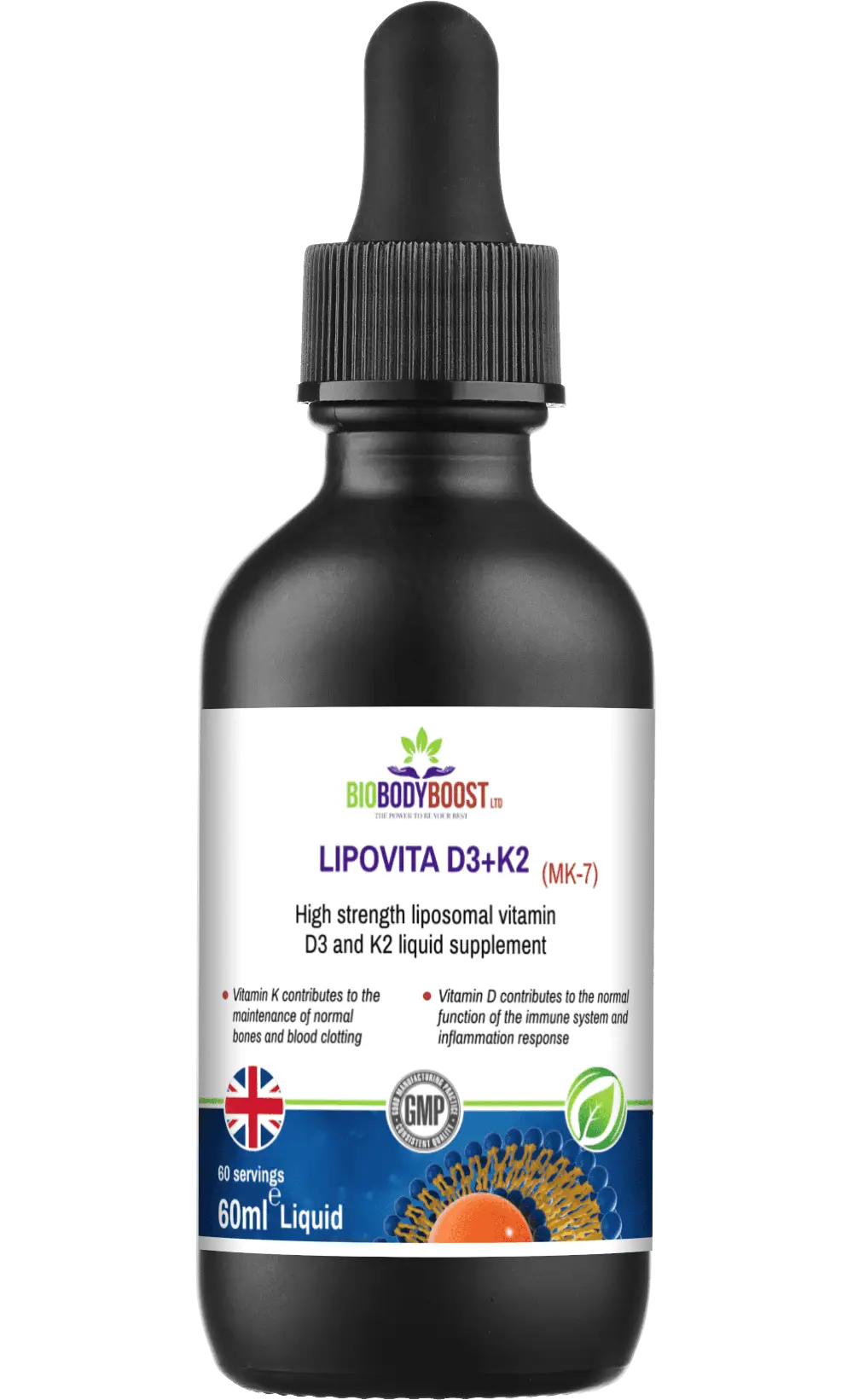
Halal source: lichen-derived D3 (plant-origin, unambiguous) vs lanolin-derived D3 (from sheep wool wax, halal under most scholars — no slaughter). For certainty, lichen-derived is the clear choice. Lipovita D3+K2 drops — lichen-derived D3 in liquid drop format, dose-adjustable, halal certified, vegan. Discuss dose with your midwife or GP.
3. DHA omega-3 — fetal brain development
DHA (docosahexaenoic acid) is the primary structural fat in the developing fetal brain and retina. The fetal brain accumulates approximately 67mg of DHA per day in the third trimester. NHS Choices recommends avoiding high-mercury fish during pregnancy but notes that oily fish (salmon, sardines, mackerel) 2x/week supports DHA intake. For women not eating oily fish regularly — or for halal-observant women uncertain of fish sourcing — a halal-certified omega-3 DHA supplement is appropriate. OmegaBalance — fish oil + flaxseed + evening primrose oil, HPMC capsule, halal certified. Check DHA content per serving specifically.
4. Iron — especially from second trimester
Blood volume expands by approximately 50% during pregnancy, dramatically increasing iron demand. Iron deficiency anaemia in pregnancy is associated with preterm birth, low birth weight and postnatal fatigue. The NHS recommends iron supplementation for pregnant women with confirmed iron deficiency. Daily Multi Complex provides 14mg iron (100% NRV) as ferrous fumarate. For therapeutic iron replacement, GP-guided prescription-dose supplementation is needed alongside food-supplement levels.
Additional pregnancy-relevant nutrients
- Iodine: required for fetal thyroid hormone synthesis and brain development. UK South Asian pregnant women are at particular risk. IoBio provides 192mcg iodine from organic Ascophyllum nodosum. Discuss with your midwife — the UK RNI for pregnancy is 140mcg/day but most prenatal supplements underdeliver on iodine.
- Calcium: fetal skeletal development requires approximately 250–350mg calcium daily in the third trimester — drawn from maternal stores if dietary intake is insufficient. Dairy or calcium-fortified plant milk typically provides adequate calcium in most diets.
- B12: critical for fetal neurological development. Particularly relevant for vegetarian and vegan women. Daily Multi Complex provides B12 as methylcobalamin.
- Probiotics: emerging evidence suggests probiotic supplementation in late pregnancy reduces infant eczema risk and supports the infant microbiome colonisation at birth. BioTic 20 Billion — halal certified, vegan. Discuss with your midwife before starting probiotics in pregnancy.
What to avoid during pregnancy
- Vitamin A (retinol) above 700mcg/day: teratogenic in excess. Avoid cod liver oil (high retinol) and liver during pregnancy. Beta-carotene (plant precursor) is safe.
- High-dose iodine above 500mcg/day: can cause fetal thyroid suppression (Wolff-Chaikoff effect).
- Herbal supplements: most are unstudied in pregnancy — avoid ashwagandha, berberine, black cohosh and most other herbal supplements during pregnancy unless specifically cleared by your GP or midwife.
All supplement decisions in pregnancy should be discussed with your midwife or GP. The NHS pregnancy supplement guide is the authoritative UK source.
Which supplements are safe in pregnancy UK?
NHS-recommended: folic acid 400mcg (pre-conception to 12 weeks), vitamin D 400 IU (throughout). Generally considered safe and supportive: DHA omega-3 (fetal brain development), iron (from food supplement levels unless GP prescribes therapeutic dose), B12 (particularly for vegetarians and vegans), iodine (for those with low dietary intake). Discuss with your midwife before starting any supplement in pregnancy. Avoid: retinol vitamin A above 700mcg, high-dose iodine, most herbal supplements (insufficient pregnancy safety data).
Is vitamin D halal during pregnancy UK?
Yes — vitamin D3 from lichen (plant-origin) is unambiguously halal. Vitamin D3 from lanolin (sheep wool wax) is halal under most scholars — no slaughter involved. For pregnant Muslim women wanting complete certainty: Lipovita D3+K2 uses lichen-derived D3 with full halal certification. This also makes it suitable for vegan women. Discuss the appropriate dose with your midwife — the NHS recommends 400 IU minimum, many clinicians recommend higher for South Asian women given near-universal deficiency.