
Poor sleep is one of the UK's most significant public health problems. An estimated one in three adults in the UK reports regularly sleeping poorly, with consequences spanning mood, cognitive function, immune health, metabolic health and long-term cardiovascular risk. Many people search for melatonin — only to discover it requires a prescription in the UK. This guide covers the herbal alternatives that have genuine clinical support and explains why many people find them preferable to pharmaceutical sleep aids even where available.
Why Melatonin Requires a Prescription in the UK
In the UK, melatonin is classified as a prescription-only medicine (POM) by the MHRA. This reflects the regulatory position that its effects on the circadian system are significant enough to warrant medical oversight — particularly regarding dose and timing, which meaningfully affect outcomes. Unlike the US and many European countries where melatonin is available over the counter, UK consumers must either obtain a private prescription or seek alternatives. This has driven significant growth in the herbal sleep supplement market as the practical alternative.
Herbal Ingredients With Genuine Evidence
Valerian Root
Valerian (Valeriana officinalis) is the most extensively researched herbal sleep aid. It interacts with GABA receptors in the brain — the same inhibitory pathway targeted by pharmaceutical sleep medications, but with a much gentler mechanism that does not carry the same dependency or residual sedation risks. A 2006 meta-analysis of 16 randomised trials found valerian improved subjective sleep quality without producing side effects in the majority of participants. Effects typically build over 2–4 weeks of consistent use rather than producing immediate sedation.
Lemon Balm
Lemon balm (Melissa officinalis) is a calming herb from the mint family, traditionally used to reduce anxiety and promote sleep. It inhibits GABA transaminase — the enzyme that breaks down GABA — effectively extending GABA's calming activity in the nervous system. Studies show significant reductions in anxiety and sleep disturbance when lemon balm is combined with valerian, with the combination consistently outperforming either ingredient alone.
Hops
Hops strobile (Humulus lupulus) contains 2-methyl-3-buten-2-ol, a compound with sedative properties. Hops are most effective in combination with valerian — multiple clinical trials using the valerian-hops combination show significant improvements in sleep onset time, sleep quality and morning alertness compared to placebo. The combination is now one of the most studied herbal approaches to sleep support.
Passionflower
Passionflower (Passiflora incarnata) has demonstrated anxiolytic and mild sedative effects in clinical studies, with a particular benefit for anxiety-driven sleep disturbance. A randomised trial found passionflower extract improved subjective sleep quality scores significantly compared to placebo, particularly for people whose sleep difficulties were driven by an inability to switch off anxious thoughts at bedtime.
Magnesium
Magnesium glycinate and magnesium l-threonate support sleep through multiple mechanisms — reducing cortisol, supporting GABA activity and regulating the activity of NMDA receptors that drive hyperarousal states. Magnesium deficiency (extremely common in UK adults due to depleted soil and processed food diets) correlates strongly with insomnia and light, unrefreshing sleep.
BioSnooze Night Time Herbal Sleep Aid — BioBodyBoost
BioSnooze combines valerian root, lemon balm, hops, passionflower and complementary botanicals in a dedicated night-time herbal sleep formula — halal certified, vegan and UK-made. Take two capsules 30–60 minutes before bed. Unlike pharmaceutical sleep aids, BioSnooze does not produce dependency, residual morning sedation or rebound insomnia on stopping.
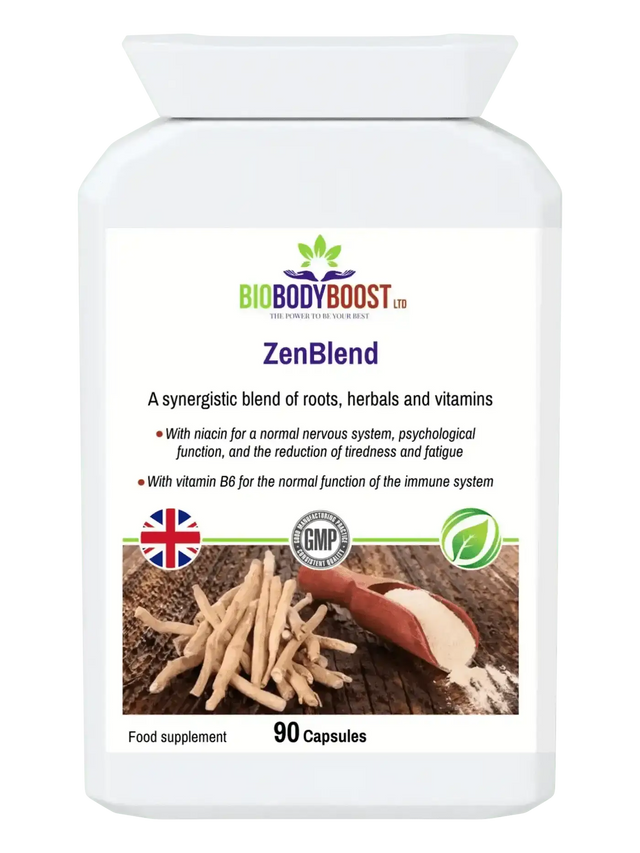
For anxiety-driven sleep disturbance, pair with ZenBlend Ashwagandha Complex for daytime cortisol and stress support. Explore the full Sleep Supplements collection for the complete range.