

Quick answer: spermidine is halal. It occurs naturally in every living cell — including your own body, where it's produced continuously as part of normal cell metabolism — and the wheat germ extract used in virtually all commercial spermidine supplements is a plant source with no animal involvement whatsoever. Despite the somewhat off-putting name (spermidine was first isolated from human semen in the 17th century, which is where the name comes from, though it's found throughout the body and in plants, not just there), there is no halal concern rooted in either its name or its biological origin. The standard compliance checks — capsule shell and manufacturing certification — are all that need verifying.
What spermidine actually is
Spermidine is a naturally occurring polyamine — a small organic molecule involved in cell growth, division and a cellular "housekeeping" process called autophagy. It was first identified in human semen in 1678 by the Dutch scientist Antonie van Leeuwenhoek, which is the historical reason for its name, but spermidine is present throughout the human body in every tissue, and is also naturally abundant in a wide range of foods — wheat germ, soybeans, aged cheese, mushrooms, and certain fermented foods.
Your body also synthesises its own spermidine internally as part of normal polyamine metabolism, meaning it isn't something foreign being introduced — supplementation simply adds to a process your cells already carry out continuously.
Why spermidine is halal despite the name and origin story
Two separate questions tend to come up, and both resolve the same way:
- The historical isolation from semen: the compound's original 1678 discovery in human semen has no bearing on where commercial spermidine actually comes from today, or on its halal status as a molecule. Many compounds are named after their first discovered source rather than their primary commercial source — this is simply a naming convention, not an indication of what's in a supplement bottle.
- Commercial sourcing: virtually all spermidine supplements on the market — UK and otherwise — are derived from wheat germ extract, a plant source. Wheat germ naturally contains one of the highest concentrations of spermidine of any commonly available food, which is why it became the standard commercial extraction source rather than any animal or human-derived material.
Put simply: the spermidine in a supplement capsule is a plant-extracted molecule, chemically identical regardless of source, with a naming history that has no bearing on its permissibility.
What the evidence shows: autophagy and mitochondrial health
Spermidine's most researched mechanism is induction of autophagy — the cell's internal recycling process, where damaged proteins and organelles (including worn-out mitochondria, in a specific form of autophagy called mitophagy) are broken down and cleared. This process naturally declines with age, and reduced autophagy is one proposed contributor to the accumulation of cellular damage associated with aging.
Spermidine's autophagy-inducing effect has been demonstrated in yeast, worm, fly and mouse models, where it has extended lifespan in several of these organisms. Human evidence is earlier-stage: several observational studies have linked higher dietary spermidine intake with reduced cardiovascular mortality, and small human trials have shown improvements in some memory and cognitive measures in older adults with mild cognitive impairment. As with most longevity-adjacent compounds, the mechanistic and animal evidence is considerably further along than large-scale human outcome trials — an honest limitation worth stating plainly rather than overselling.
Where spermidine fits in the mitochondrial picture
Autophagy and mitochondrial health are connected: a cell that can efficiently clear out damaged, poorly functioning mitochondria via mitophagy is better positioned to replace them with newer, more efficient ones through mitochondrial biogenesis. This is part of why spermidine gets grouped alongside NMN, resveratrol and other cellular-energy-adjacent compounds in the longevity supplement conversation, even though its mechanism (autophagy induction) is distinct from NAD+ precursors or sirtuin activators.
Quality sleep is also when a significant amount of cellular repair and mitophagy naturally occurs, which is why sleep quality and spermidine's proposed mechanism sit in the same conceptual territory — both relate to how effectively the body clears out cellular damage rather than simply adding more raw energy-production capacity.
What we don't currently offer

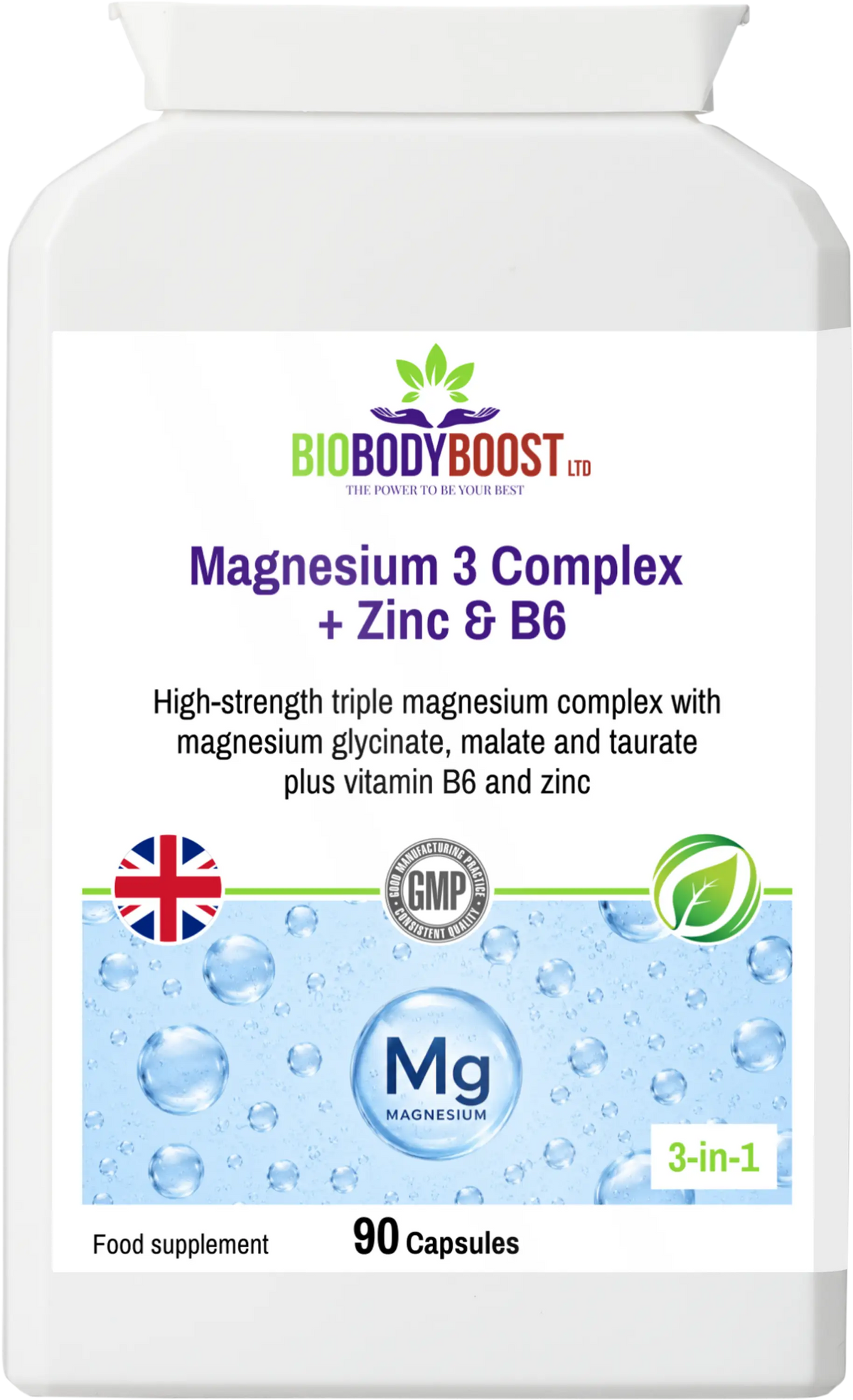
While we don't yet stock spermidine, Magnesium 3 Complex is one of the halal approved products already addressing the same mitochondrial quality-control territory.
BioBodyBoost does not currently stock a dedicated spermidine supplement. We think it's more useful to give you an honest, evidence-based picture of what spermidine is and where the halal question actually resolves than to leave this gap unaddressed while we don't yet have a product to point to. If you're building a halal approved mitochondrial and longevity stack in the meantime, our halal longevity supplements guide covers the certified options currently available across magnesium, creatine, niacin, astaxanthin and sleep support — several of which touch the same mitochondrial quality-control territory spermidine is researched for.
Frequently Asked Questions
Is spermidine halal?
Yes. Commercial spermidine supplements are derived from wheat germ extract, a plant source with no animal involvement. The compound's name comes from its historical first isolation from human semen in 1678, but this has no bearing on the halal status of the plant-derived spermidine used in supplements today. The compliance checks are the same as any supplement: capsule shell material and manufacturing certification.
Is spermidine actually derived from semen?
No, not in commercial supplements. Spermidine was first identified and named after being isolated from human semen in 1678, but it is present throughout the human body and in many plant foods. Virtually all commercial spermidine supplements today are extracted from wheat germ, which naturally contains high concentrations of the compound.
What foods naturally contain spermidine?
Wheat germ has one of the highest concentrations of any common food, followed by soybeans, aged cheeses, mushrooms, and certain fermented and cured foods. Spermidine intake through diet varies significantly based on how much of these foods a person eats, which is part of why some observational research links wheat germ-rich or Mediterranean-style diets with the cardiovascular associations seen in spermidine research.
Does spermidine really slow aging?
The evidence is promising but early-stage for humans. Spermidine reliably extends lifespan in yeast, worm, fly and some mouse studies by inducing autophagy — the cell's damage-clearing process. Human evidence includes observational links between higher dietary intake and reduced cardiovascular mortality, and small trials showing cognitive benefits in older adults with mild impairment, but large-scale human longevity outcome trials don't yet exist. The mechanism is well-established in laboratory models; the human longevity claim remains unproven at the scale marketing sometimes implies.
This article is for general information and does not constitute medical advice. Speak to a healthcare professional before starting any new supplement, particularly if pregnant, breastfeeding, or taking prescription medication.
BioBodyBoost — Halal Approved UK Supplements
Use code HALAL10 for 10% off your first order — halal approved under UHA Certificate Ref. 24623, vegan, UK made. See the full halal longevity stack →


