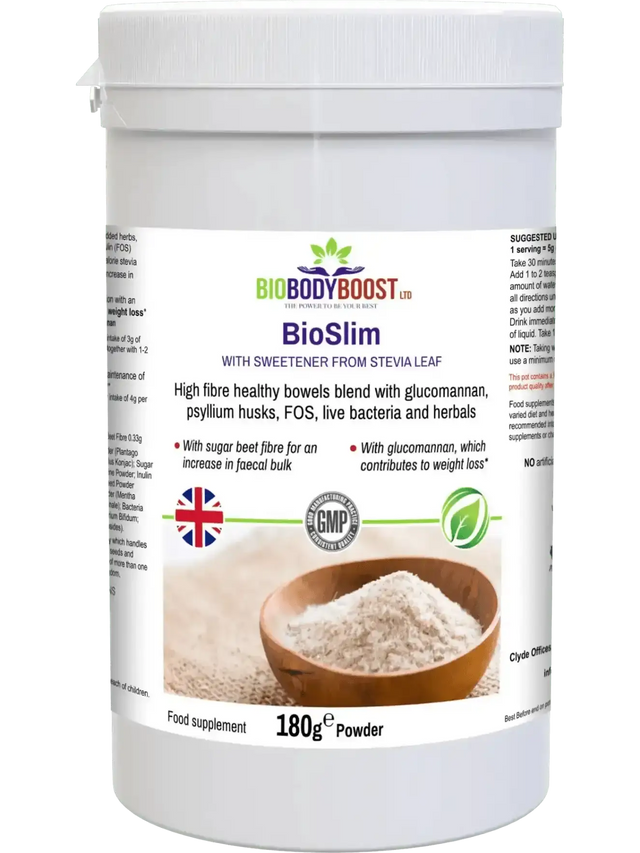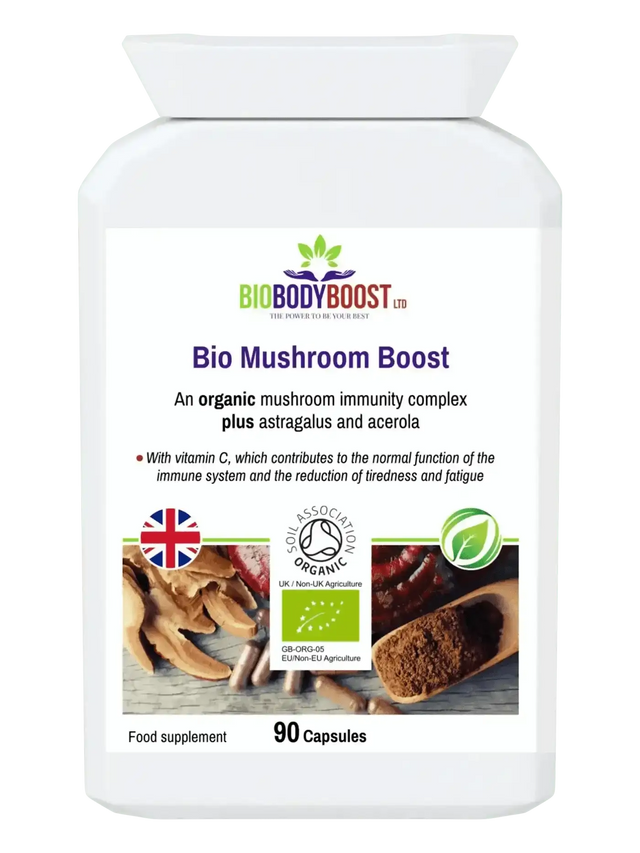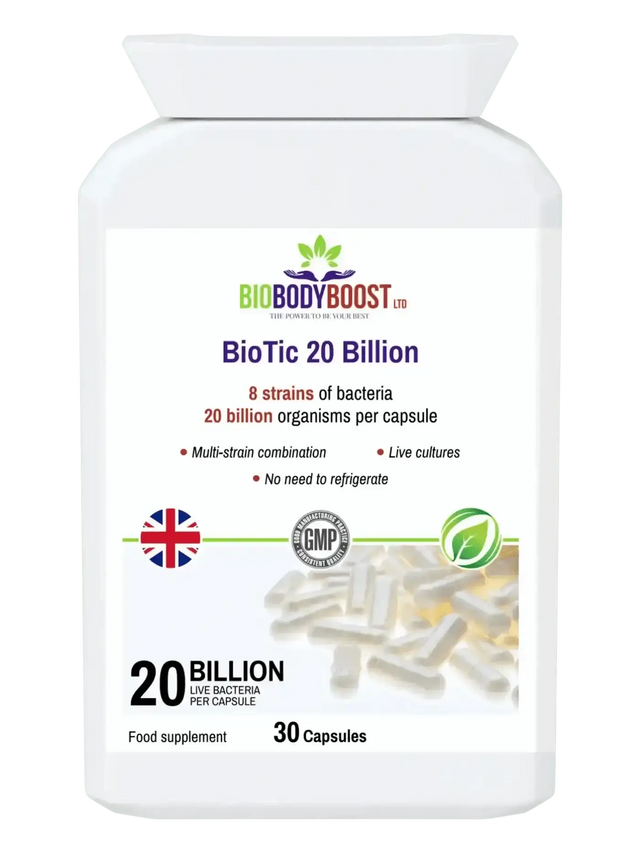

When your sleep has been patchy, work is flat out, and everyone on the train seems to be sniffling, your immune system tends to feel less like an abstract health idea and more like something you want on your side right now. That is where immune support supplements can be useful - not as a shortcut, and not as a substitute for food, rest, and stress management, but as a practical layer of daily support when life is doing the most.
The smarter approach is not to chase miracle claims. It is to choose formulas that support normal immune function, fit your routine, and do not leave you second-guessing the ingredient list. For most people, that means looking for research-backed nutrients, clean-label standards, and blends designed for everyday use rather than one-week panic buying.
What immune support supplements actually do
A lot of marketing around immunity overpromises. Your immune system is not a switch you flick to maximum. It is a complex network that relies on enough nutrients, good sleep, movement, hydration, and recovery. Supplements work best when they help fill genuine gaps or provide targeted support in periods of higher demand.
That matters because immune health is rarely about one dramatic ingredient. It is more often about steady intake of nutrients that your body uses to maintain normal defences. If you are run down, eating on the go, training hard, parenting through every school bug going, or dealing with long workdays, those basics can slip.
The best immune support supplements aim to strengthen the foundation. Think support for normal immune cell function, antioxidant defence, and recovery from the daily wear and tear that comes with stress, poor sleep, and seasonal pressure. That is a much more realistic promise, and frankly, a more useful one.
The ingredients worth knowing
Not every immune formula deserves space in your cupboard. Some are overloaded with trendy extras but light on the nutrients that actually matter. A strong formula usually starts with a few key players.
Vitamin C, vitamin D and zinc
Vitamin C remains popular for good reason. It supports normal immune function and helps protect cells from oxidative stress. It is not magic, but it is one of the most established nutrients in this category.
Vitamin D is especially relevant in the UK, where darker months and indoor lifestyles can make low intake more likely. It contributes to the normal function of the immune system, and for many adults it makes sense as part of a consistent routine rather than a seasonal afterthought.
Zinc is another staple. It supports normal immune function and is involved in a wide range of processes linked to repair and resilience. The catch is that more is not always better. Overdoing zinc can create its own issues, so balanced dosing matters.
Selenium and plant antioxidants
Selenium tends to get less attention, but it plays a role in protecting cells from oxidative stress and supporting normal immune function. In a well-built blend, it can make sense alongside vitamin C and zinc.
You may also see botanicals and plant compounds included for antioxidant support. These can add value, especially if the formula is designed with absorption and tolerability in mind. But they should complement the core nutrients, not distract from them.
Elderberry, echinacea and mushrooms
Herbal ingredients often sit at the more debated end of the category. Elderberry is widely used in immune blends, while echinacea and functional mushrooms also appear frequently. Some people like these ingredients as part of a broader wellness routine, but the evidence is not as uniform as it is for essential vitamins and minerals.
That does not mean they are pointless. It means they are best viewed as supportive extras rather than the main event. If a botanical blend works for you and fits your values, great. Just do not let a fashionable ingredient list overshadow the basics.
How to choose immune support supplements without wasting money
The fastest way to make a poor choice is to shop by front-of-pack promises alone. What matters more is what sits behind the claims.
Start with the form and dose of each nutrient. A label can look impressive while still offering underpowered amounts or poorly considered combinations. You want a formula that delivers meaningful daily support without turning into nutritional overkill.
Then look at quality signals. Third-party testing matters because trust should not rely on branding alone. Clean-label standards matter too, especially if you want vegan-friendly, dairy-free or gluten-free options that work with your routine rather than against it. If a supplement leaves you with digestive discomfort or an ingredient list full of fillers, it is not really supporting your health in the way you need.
Convenience counts more than people admit. Powders, capsules, gummies and liquids all have their place, but the best format is the one you will actually take consistently. A technically excellent supplement is still a poor fit if it ends up forgotten in the back of a kitchen cupboard.
Matching the supplement to real life
This is where context matters. The right immune formula for a busy office worker may not be the right one for a parent, an endurance athlete, or someone recovering from a period of burnout.
If your meals are inconsistent and your stress is high, a foundational vitamin and mineral formula may be enough. If you train intensely and recovery is taking a hit, broader support that includes antioxidants may make more sense. If winter tends to flatten your energy and leave you feeling run down, vitamin D may deserve particular attention.
There is also the question of sensitivity. Some people do well with stronger blends; others prefer a simpler formula with fewer actives and no unnecessary extras. If your stomach is easily irritated, the cleanest option is often the smartest one.
That is one reason tailored supplementation is gaining ground. Instead of buying a generic product because it sounds powerful, more people are choosing formulas that fit their diet, tolerance, and health goals. BioBodyBoost leans into that shift with plant-based, research-backed options that feel like daily upgrades rather than dramatic interventions.
What supplements can and cannot fix
It is easy to expect too much from a capsule. If you are sleeping five hours a night, living on beige lunches, and running on caffeine, even the best immune support supplements can only do so much. They support your system. They do not erase the effects of chronic stress or poor recovery.
That is not a reason to dismiss them. It is a reason to use them properly. The strongest results usually come when supplements sit alongside habits that your immune system depends on anyway: enough protein, fruit and veg, decent hydration, regular movement, and proper rest.
There is also a timing issue. People often buy immune products only when they already feel depleted. Sometimes that is still useful, but many nutrients work better as part of an ongoing routine. Consistency usually beats intensity.
Common mistakes with immune support supplements
One of the biggest mistakes is stacking multiple products with overlapping ingredients. It sounds proactive, but it can push doses higher than intended and create confusion about what is actually helping.
Another is assuming natural always means suitable. Plant-based formulas can be a great fit, especially for people looking for cleaner, more ethical supplementation, but natural ingredients still need proper formulation, testing, and sensible dosing.
The third mistake is chasing buzzwords instead of outcomes. Ask a simpler question: does this formula support normal immune function, fit my diet, and make daily use easy? If yes, you are already shopping more intelligently than most.
A better standard for daily immune support
If you want your supplement routine to feel worth it, the benchmark should be clear. Look for evidence-led ingredients, transparent labelling, and formulas that respect both efficacy and tolerability. No hype, no mystery blends doing all the talking, and no needlessly complicated protocol.
That is especially relevant for people who want plant-based solutions without compromising on quality. Vegan formulas, organic-leaning ingredients, and third-party testing are not just nice extras. They are part of what makes a supplement feel trustworthy enough for long-term use.
Immune health is not built in one heroic purchase. It is built in the small, repeatable choices that support your natural defence day after day. Choose supplements that match that reality, and your routine starts working harder for you without feeling harder to maintain.
If your current approach feels random, simplify it. A clean, well-formulated product taken consistently often does more than a shelf full of half-used fixes.