Every "herbal sleep aid" article lists the same six herbs and declares them all "natural sleep boosters". Nobody ranks them by evidence — because the honest ranking is uncomfortable: some traditional sleep herbs have decent human trials, others have centuries of folklore and almost no data. Here's the herb-by-herb verdict, and how a well-built formula uses it.
The Evidence Ranking
Tier 1 — Human trial support
Ashwagandha (KSM-66®). The strongest performer in modern research — multiple randomised controlled trials on KSM-66 specifically report improved sleep quality, reduced time to fall asleep and lower night-time cortisol, at 300–600mg daily over 6–10 weeks. Its mechanism is indirect but powerful: it targets the stress arousal that keeps most people awake, rather than sedating you. Full evidence review: what 22 clinical trials show.
Valerian root. The most-studied classic sleep herb. Meta-analyses suggest modest improvements in subjective sleep quality, though results are inconsistent between trials — likely due to varying extracts and doses (300–600mg standardised extract is the researched range). Verdict: reasonable evidence, modest effect, works better over weeks than as a one-night fix.
Tier 2 — Promising but thinner data
Passionflower. Small trials report improved sleep quality versus placebo, and it appears frequently in traditional European and South American sleep preparations. Promising, under-researched.
Lavender (oral). Oral lavender oil preparations have surprisingly good trial data for anxious restlessness — a common cause of poor sleep — though most research targets anxiety rather than sleep directly.
Chamomile. The world's favourite bedtime tea has gentler evidence than its reputation suggests: small trials show mild benefits for sleep quality. Pleasant, safe, mild.
Tier 3 — Tradition, little data
Hops, lemon balm, skullcap. Long traditional use, usually as companions to valerian, but very little standalone human sleep research. Not useless — traditional pairings sometimes encode real synergies — but be honest about what's known.

The Missing Piece: Minerals Carry the Claims Herbs Can't
Here's what most herbal sleep products quietly avoid saying: no herb carries an EU-authorised sleep claim. Magnesium, however, contributes to normal functioning of the nervous system and normal psychological function — and it's the nutrient most UK adults run short of. That's why the smartest sleep formulas are herb-plus-mineral, not herb-only. Our deep-dive: magnesium for sleep — which form and why it takes 2–4 weeks.
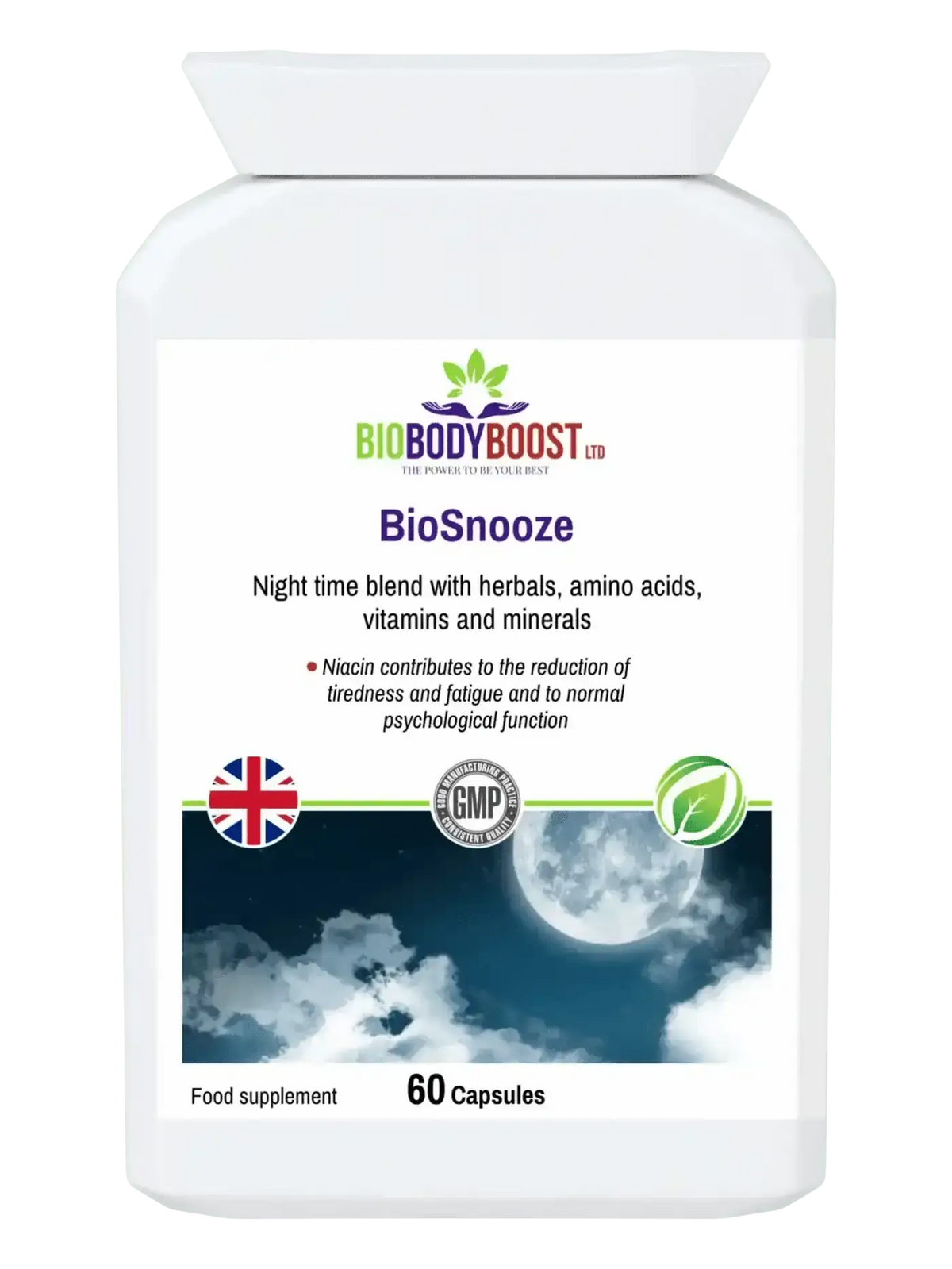
How BioSnooze Is Built
BioSnooze stacks the evidence tiers rather than picking one lane: KSM-66® ashwagandha (the trial-backed extract, not generic root powder) + magnesium (the claim-carrying mineral) + montmorency cherry (the sour cherry variety used in sleep research, a natural melatonin source) + traditional calmatives. Vegan, halal approved, melatonin-free — because melatonin is prescription-only in the UK, which most "sleep gummy" brands importing from the US conveniently ignore. More on that: the non-melatonin sleep guide.
How to Actually Use Herbal Sleep Aids
- Commit to 2–6 weeks. Ashwagandha and valerian both perform better in trials with consistent use than single-night dosing.
- Take 30–60 minutes before bed, with a small snack if capsules on an empty stomach bother you.
- Fix the basics simultaneously — caffeine after 2pm, screens in bed and irregular wake times will beat any herb.
- Snoring, gasping or daytime sleepiness despite enough hours? That's a GP conversation (possible sleep apnoea), not a supplement decision.
FAQs
What is the strongest herbal sleep aid?
On current trial evidence, KSM-66 ashwagandha — though it works by lowering stress arousal over weeks, not by knocking you out. Valerian is the best-evidenced traditional sedative herb.
Can I take herbal sleep aids every night?
The trial protocols for ashwagandha and valerian use daily dosing over 6–10 weeks, and neither shows the dependence pattern of pharmaceutical sleep aids. Cycle off periodically and reassess whether you still need support.
Are herbal sleep aids safe with medication?
Check first — valerian and other sedative herbs can add to the effect of sedating medicines, and ashwagandha isn't advised in pregnancy or with thyroid medication without GP guidance.
Why don't you use melatonin?
Melatonin is a prescription-only medicine in the UK. Products sold online containing it are being sold outside UK regulation. Our formulas use montmorency cherry — a natural dietary source — instead. Full explanation: melatonin's legal and halal status.
Browse the full Sleep Supplements UK collection.
Food supplements should not replace a varied diet or good sleep habits. Consult your GP if pregnant, breastfeeding, on sedatives, antidepressants or thyroid medication, or if poor sleep persists beyond a month.