You finish a session feeling strong, then ten minutes later your legs go heavy, your head feels a bit fuzzy, and you cannot quite quench your thirst. For a lot of people, that is not a fitness problem - it is a hydration problem. More specifically, it is often an electrolyte problem.
Electrolytes are not a trendy extra. They are minerals that carry electrical charge in your body, and they help regulate fluid balance, nerve signalling and muscle contraction. When you sweat, you lose water and electrolytes together. Drinking plain water is essential, but if you replace only the water while leaving the minerals behind, performance and comfort can dip. That is where electrolyte powder for workouts earns its place.
What electrolytes actually do during training
Sodium is the headline act because it is the primary electrolyte lost in sweat. It helps you retain the fluid you drink and supports blood volume, which matters for maintaining output as a session goes on. Potassium works alongside sodium for muscle contraction and nerve signals, and it plays a role in normal heart rhythm. Magnesium is involved in hundreds of enzymatic reactions and contributes to normal muscle function, while calcium supports muscle contraction and signalling.
During workouts, the simplest way to think about it is this: fluid keeps you cool and supports circulation, and electrolytes help that fluid stay where it is needed. They also support the electrical communication that allows muscles to fire smoothly. If the balance is off, you may notice earlier fatigue, cramping tendencies, slower pace, or that drained feeling that does not match the effort.
None of this means electrolytes are a magic performance enhancer. They are a basic input. If you are already well hydrated, training for under an hour, and not sweating heavily, you may not notice a dramatic difference. If you are a salty sweater, training hard, or doing longer sessions, the difference can feel like turning the lights back on.
When electrolyte powder for workouts makes the biggest difference
Electrolyte needs are personal. Sweat rate varies, sodium concentration in sweat varies, and your environment changes everything. Still, there are clear scenarios where electrolyte powder for workouts is more than just a nice-to-have.
Longer sessions are the obvious one. Once you are training beyond about 60 minutes, especially at moderate to high intensity, replacing both fluid and sodium becomes more relevant. Endurance runs, long rides, football training, Hyrox-style circuits, and summer hikes all fit.
Heat and humidity raise the stakes. A session that feels manageable in March can feel like a different sport in July. You sweat more, and you lose sodium faster. If you train indoors, spin classes and packed gyms can be surprisingly sweaty too.
Morning training can be a hidden trigger. You wake up slightly dehydrated, grab a coffee, and jump into a session. An electrolyte drink before or during training can help you start in a better place without relying on stimulants.
If you often finish workouts craving salty foods, or you get salt lines on clothing, that is a practical sign you lose a decent amount of sodium. Another clue is if you drink plenty of water but still feel “flat” or get headaches after training. That does not automatically mean electrolytes are the answer, but it is worth testing.
Electrolytes vs sports drinks: what is the real difference?
Many sports drinks combine electrolytes with carbohydrates. That can be useful if you need fuel as well as hydration, because carbs support performance during longer or harder sessions. But plenty of people do not want the sugar for everyday training, or they find higher-sugar drinks upset their stomach.
Electrolyte powders typically come in lower-sugar or zero-sugar options. That makes them easier to fit into different goals: fat loss phases, low-sugar lifestyles, fasted training, or simply avoiding the “sticky mouth” feeling. The trade-off is that if you are doing endurance work, electrolytes alone may not provide enough carbohydrate to keep intensity high. In that case, you might pair an electrolyte drink with a separate carb source, or choose a formula that includes a meaningful amount of carbs.
How to choose a clean, effective electrolyte powder
The label matters. You want results, not a kitchen sink of fillers.
Start with sodium. Many products underdose it because people fear salt. For workout hydration, sodium is often the key mineral to look for, especially if you sweat heavily. The right amount depends on your sweat loss, session length and the rest of your diet, but if the sodium is tiny, you may not feel much benefit.
Next, check the supporting electrolytes. Potassium is commonly included and helpful, but it is not a replacement for sodium. Magnesium can be valuable, particularly if your overall intake is low, but very high doses in a drink can cause digestive upset for some people. Calcium is sometimes included in smaller amounts.
Then look at the “extras”. Some powders add B vitamins, adaptogens, amino acids or collagen. These are not inherently bad, but they can distract from the primary job: reliable hydration without gut disruption. If you are sensitive, a simpler formula is often the better daily option.
Sweeteners and flavours are another make-or-break. A clean-label, plant-based product that uses natural flavours and avoids unnecessary dyes is a better fit for most wellness-focused routines. If you know you react to certain sweeteners, take that seriously. A drink that tastes great but bloats you is not a performance tool.
Finally, quality signals matter. Third-party testing, transparent ingredient dosing, and clear allergen information reduce decision fatigue. If you are vegan, gluten-free, or avoiding dairy, check that it is stated clearly rather than assumed.
How to use electrolyte powder around your training
There is no single correct protocol, but there are a few high-return approaches.
For most people, sipping electrolytes during training works well, especially if the session is longer than an hour or you are sweating heavily. It supports steady hydration without having to chug water late in the workout.
If you know you start sessions under-hydrated - common with early mornings or back-to-back meetings - taking electrolytes 20 to 30 minutes before training can help you feel more “switched on” from the first set or the first kilometre.
After training, electrolytes can support rehydration when you have sweated a lot. This is where many people notice the comfort benefit: less lingering thirst, fewer post-session headaches, and a more stable energy curve through the afternoon.
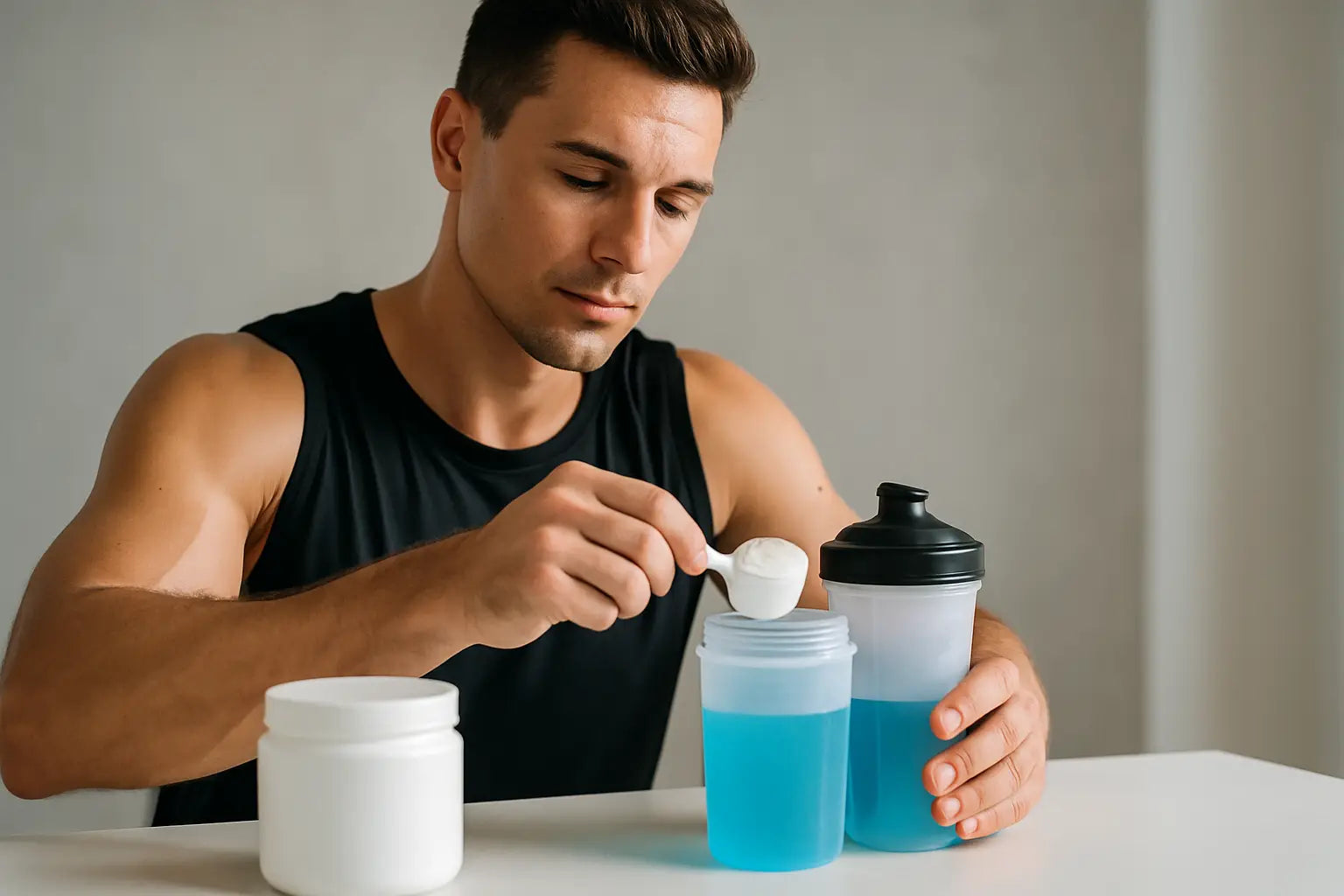
A practical point: do not over-concentrate the drink. More powder does not always mean better hydration. Strong mixes can taste harsh and may irritate your stomach. If you are experimenting, begin with the suggested serving and adjust based on sweat levels and how you feel.
Common mistakes that make electrolytes feel like they “don’t work”
The first is relying on electrolytes while under-drinking overall. Electrolytes help manage fluid balance, but you still need enough water to replace what you lost.
The second is using a formula with very low sodium and expecting it to solve heavy sweating. If your training tops are streaked with salt, you may need a more purposeful sodium dose.
The third is forgetting that hydration is not only a workout issue. If you are consistently under-hydrated day to day, a single electrolyte drink during training may not rescue you. A baseline routine helps: regular fluids, mineral-rich meals, and adjusting intake when the weather changes.
The fourth is ignoring carbohydrates when they are actually required. If you are doing long endurance work, electrolytes alone may keep you from cramping but still leave you low on fuel. That can feel like “it didn’t help”, when the missing piece is energy rather than hydration.
Are electrolytes safe to use every day?
For most healthy adults, using an electrolyte drink regularly is fine, especially when it matches sweat loss and training load. The main nuance is sodium intake. If you have been advised to restrict sodium for medical reasons, or you have high blood pressure that is being managed, it is worth checking with a clinician before making high-sodium hydration a daily habit.
Also consider the full picture. If you eat lots of highly processed foods, you may already get plenty of sodium. If your diet is mostly whole foods and you train hard, you may be on the other end of the spectrum. Context matters, and your needs will shift through the year.
A simple self-check to dial in your dose
If you want a practical way to test whether electrolyte powder for workouts is helping, keep it low drama. For two weeks, use the same product and serving size on your hardest or sweatiest sessions. Pay attention to three outcomes: perceived stamina during the second half of training, post-workout thirst and headaches, and how “heavy” your legs feel later in the day.
If none of those change, you may not need electrolytes for that type of training, or the formula may be underdosed for your sweat profile. If you notice clear improvements, you have a tool you can deploy strategically rather than automatically.
Where a plant-based, clean-label approach fits
If you are building a supplement routine around daily performance and long-term health, hydration is a foundational lever. A plant-based electrolyte powder that keeps ingredients simple, avoids unnecessary additives, and is produced with strong quality controls fits well with that goal.
BioBodyBoost’s approach to clean-label, vegan formulas and third-party testing is designed for exactly this kind of everyday consistency - the kind that supports training without creating new problems for digestion or dietary preferences. If you are already filtering products by lifestyle needs, electrolytes are one of the easiest upgrades to keep compliant and uncomplicated.
Hydration is not glamorous, but it is one of the fastest ways to make training feel better. The next time your session feels harder than it should, do not assume you need a new programme or more motivation. Try a smarter glass of water, and let your body do what it is built to do.