A protein powder can look virtuous on the front of the pouch, then reveal a long list of sweeteners, thickeners and vague blends on the back. This clean label protein review cuts through the wellness packaging and focuses on what earns a place in your daily shake: useful protein, recognisable ingredients, reliable quality and a formula that feels good to take consistently.
For busy UK routines, protein should be a practical upgrade. It can make breakfast more satisfying, support muscle recovery after training and help close the gap on days when meals are rushed. But a clean label is not a regulated promise that every brand must interpret in the same way. Reading beyond the headline matters.
What a clean label protein review should assess
A worthwhile review starts with the full formula, not just the protein number printed in large type. “Clean label” generally points to a shorter, more transparent ingredient list with fewer unnecessary additives. For plant-based protein, that often means a clearly named protein source, natural flavouring where used, and only the supporting ingredients needed for taste, mixability or texture.
The key word is needed. A little sunflower lecithin can help powder blend smoothly. Cocoa, vanilla or cinnamon can make a shake enjoyable enough to become a habit. Gums may improve texture, although some people with sensitive digestion find certain thickeners do not agree with them. Clean does not have to mean bland, nor does it have to mean a formula with only one ingredient.
What should raise questions is a label built around proprietary blends that hide individual amounts, a long chain of artificial colours, or a serving that delivers very little actual protein once the extras are accounted for. Transparency is the real standard. You should be able to see what you are taking and why it is there.
Protein quality matters more than a big number
The amount of protein per serving is useful, but it is only part of the picture. Plant proteins vary in their amino acid profiles, digestibility and texture. Pea protein is popular because it is naturally rich in several essential amino acids and delivers a substantial, creamy shake. Rice protein can complement pea protein, helping create a more balanced amino acid profile while lightening the texture.
A blended plant protein can therefore be a strong choice for active people, especially when it provides a meaningful serving of protein rather than relying on marketing language such as “high protein” without context. Check the nutrition panel and compare the protein grams with the total serving size. If a 35 g scoop delivers 20 g or more of protein, the formula is usually doing the job it claims to do. If a much larger scoop offers far less, look closely at what is filling the gap.
For training support, protein intake works best as part of your full day rather than as a single heroic shake after the gym. Your needs depend on body size, training volume, appetite and the protein already present in meals. Someone lifting regularly may benefit from a shake after a session or alongside breakfast. Someone simply aiming for steadier energy may prefer it blended with oats, fruit and a source of healthy fat.
Look for ingredients that suit your digestion
The best formula on paper is not the best formula if it leaves you feeling heavy, bloated or put off by the taste. Plant-based powders are naturally dairy-free, which can be a welcome alternative for people avoiding milk-based ingredients. Yet individual tolerance still differs.
If your stomach is sensitive, begin with a simple formula and introduce it gradually. A half serving for the first few days can tell you more than a dramatic first shake ever will. Notice how it sits after training, at breakfast and in a smoothie. Some people tolerate pea and rice blends brilliantly, while others prefer a less sweet option with minimal added fibres or gums.
Sweetness is another personal trade-off. Stevia can keep added sugar low, but its aftertaste is not for everyone. Coconut sugar or dates may provide a more familiar flavour, though they also add carbohydrate and calories. An unflavoured powder gives you complete control, but it demands a little more effort with fruit, cocoa or spices. There is no universal winner - only the version you will genuinely use.
Testing is a clean-label essential, not a bonus
Ingredient simplicity and product safety are related, but they are not the same thing. Plant ingredients come from the ground, and quality control matters from sourcing through to the finished batch. Third-party testing is a valuable trust signal because it shows a brand is willing to have its product checked independently.
Look for clear information on testing, allergen controls and manufacturing standards. This is especially relevant if you compete in tested sport, have a significant allergy, are pregnant or breastfeeding, or take prescribed medication. A protein powder is a food supplement, not a replacement for tailored medical advice. When your needs are more specific, speak with a qualified healthcare professional before adding a new supplement.
For everyday buyers, testing also supports peace of mind. You are not buying a flashy tub for one week of motivation. You are choosing something that may become part of breakfast, post-workout recovery or the afternoon slot when the biscuit tin starts calling.
How to read the label in under a minute
Start with the nutrition panel. Check the protein per serving, calories, carbohydrate, sugars and fibre in the context of your goal. For a straightforward recovery shake, a protein-forward serving with modest sugar may suit you well. For a meal-style smoothie, a little more fibre and carbohydrate can be useful for fullness and sustained energy.
Then scan the ingredients in order. Ingredients are listed by weight, so the first few tell the real story. Ideally, you will see named protein sources first, followed by understandable flavour and texture ingredients. If the label includes a sweetener, you should be able to identify it without guesswork.
Finally, check dietary suitability. Vegan, gluten-free, soy-free and nut-free are not interchangeable claims. If you follow a halal or kosher diet, or manage coeliac disease and allergies in the household, confirm the product’s specific statement and manufacturing information rather than assuming a plant-based product covers every requirement.
Taste, texture and routine decide whether it works
Nutritional quality gets the attention, but consistency creates the result. A powder that tastes unpleasant or turns gritty in water will likely gather dust at the back of the cupboard. Consider how you realistically plan to use it.
For a quick post-training option, choose a flavour and texture that mixes well in cold water or plant milk. For breakfast, a more neutral powder may work better in porridge, overnight oats or a banana smoothie. Chocolate-style blends often suit a rich shake with oats and nut butter, while vanilla-style options can be more flexible with berries, coffee or cinnamon.
Do not expect every plant protein to feel identical to a dairy-based shake. A slight earthiness or thicker finish can be normal, particularly with pea protein. The goal is not to chase an artificial milkshake experience. It is to find a formula that is pleasant, filling and easy on your gut without unnecessary extras.
Who benefits most from clean label protein?
A clean plant protein powder can suit gym-goers building a more reliable recovery routine, professionals who regularly skip breakfast, and parents wanting an easy way to add protein to their own busy-day meals. It can also be useful for anyone moving towards a more plant-based diet who finds their usual meals fall short on protein.
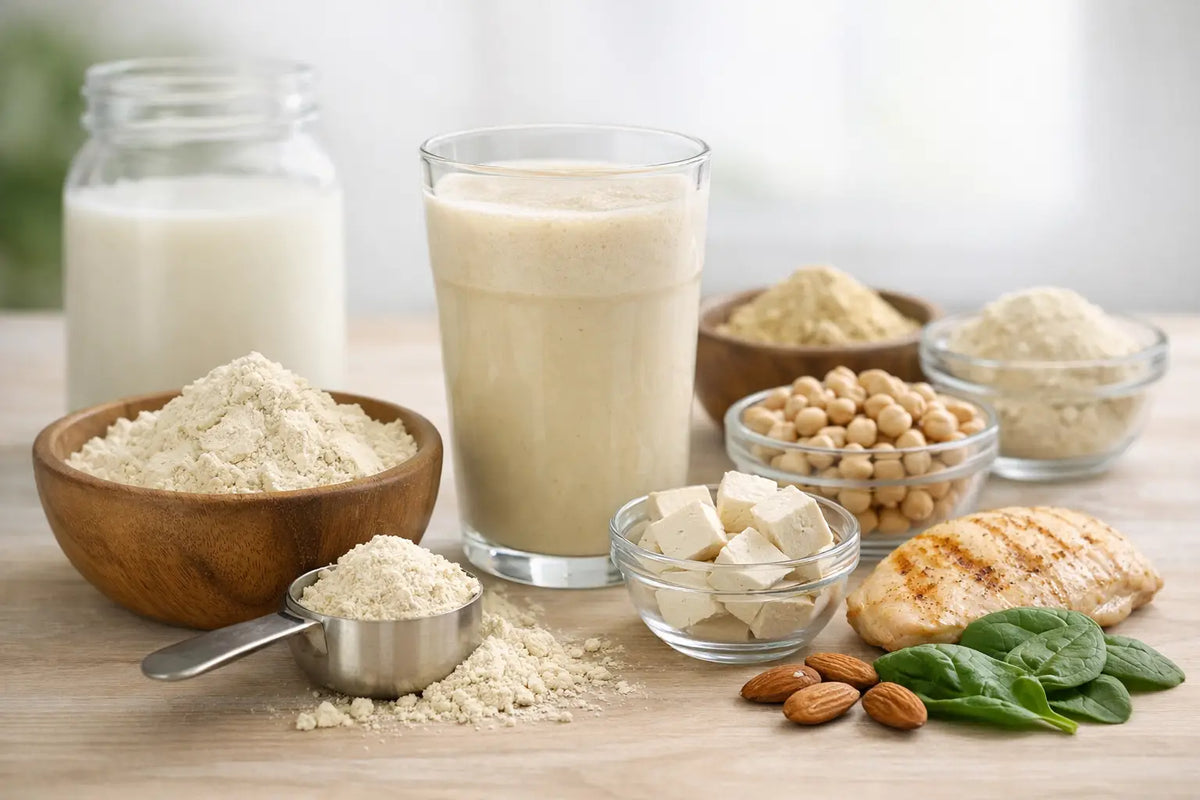
It is less necessary when you already eat enough protein-rich foods across the day and enjoy preparing meals around them. Whole foods remain the foundation: beans, lentils, tofu, tempeh, grains, nuts and seeds all bring fibre, micronutrients and variety that a powder cannot fully replace. Protein powder earns its place through convenience, not because it is automatically superior.
At BioBodyBoost, the strongest clean-label approach is simple: choose plant-based ingredients with a clear purpose, expect transparent quality standards and build a routine that supports your actual life. The right shake should feel like less effort, not another health rule to manage.
A good protein powder does not need a complicated story. Read the label, respect your digestion and choose the option you will reach for when life is busy. That is where clean ingredients become a daily advantage.