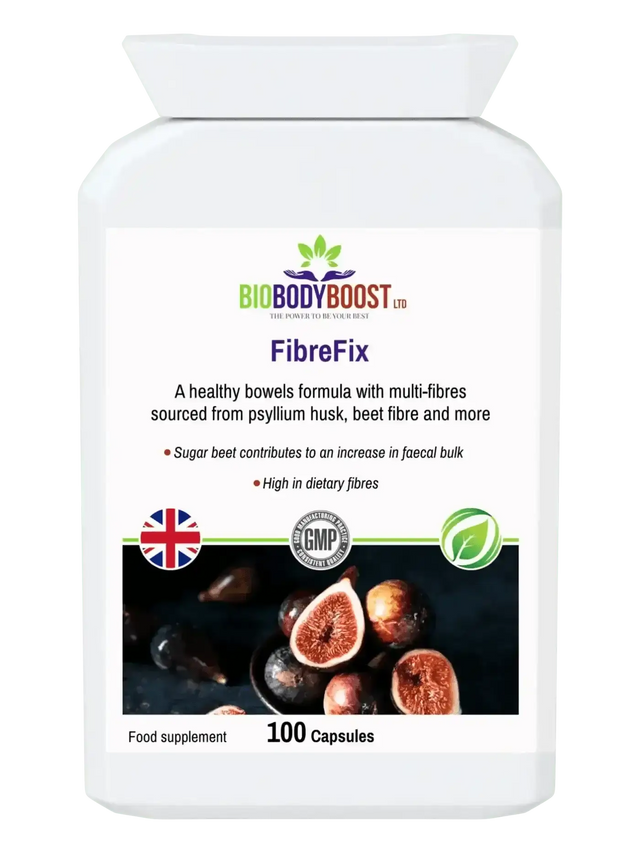

Bloating after a healthy lunch, that heavy feeling by mid-afternoon, or a gut that seems fine one week and off the next - digestive comfort can feel frustratingly inconsistent. The best supplements for digestive comfort are the ones that match what your body actually needs, rather than promising everything at once.
That matters because “digestive support” is not one single goal. For some people, it means less bloating after meals. For others, it is steadier bowel movements, less digestive drag, or better tolerance of fibre-rich foods and busy routines. A smart supplement routine starts with your pattern, your diet, and how often the issue shows up.
What digestive comfort really depends on
Your digestive system responds to more than what is on your plate. Stress, meal timing, hydration, sleep, movement, and even how quickly you eat can all affect how comfortable you feel after meals. That is why the same supplement can work brilliantly for one person and feel underwhelming for another.
There is also a difference between occasional digestive discomfort and something more persistent. If symptoms are frequent, worsening, or severe, supplements should not be used to mask a problem that needs medical advice. But for everyday support, the right formula can make a noticeable difference - helping you feel lighter, more regular, and less disrupted by food.
Best supplements for digestive comfort by need
Probiotics for gut balance and daily digestion
If your digestion feels unpredictable, probiotics are often the first place people look - and with good reason. These beneficial bacteria are designed to support gut balance, which can influence bloating, bowel regularity, and overall digestive resilience.
Not all probiotic formulas are equal. Strain diversity matters, but more is not always better. A formula with well-studied strains and sensible dosing is usually a stronger choice than one chasing the biggest number on the label. Shelf stability, third-party testing, and clean ingredients matter too, especially if you want a supplement that fits easily into daily life.
Probiotics tend to be most useful for people who have digestive ups and downs, have recently taken antibiotics, or feel their gut is sensitive to stress, travel, or changes in routine. The trade-off is that results are rarely instant. Some people notice a shift within days, while others need a few weeks of consistent use.
Digestive enzymes for support around meals
When discomfort shows up mainly after eating, digestive enzymes can be a practical option. These supplements help break down proteins, fats, and carbohydrates, which may reduce that overly full or sluggish feeling after meals.
They can be particularly helpful if rich meals, larger portions, or certain foods leave you feeling uncomfortable. If you know your digestion struggles more with food breakdown than with overall regularity, enzymes may be a better fit than a general gut blend.
That said, enzymes are not a fix for chronic overeating, rushed meals, or food intolerances. They work best as targeted support, especially when taken just before or with food. For many people, they are most useful as-needed rather than all year round.
Fibre for regularity and a lighter feeling
Fibre is one of the most effective tools for digestive comfort, yet it is often overlooked because it feels less exciting than trend-led gut supplements. In reality, the right fibre can improve regularity, support beneficial gut bacteria, and help you feel less sluggish.
The key phrase there is the right fibre. Soluble fibres, such as psyllium husk and certain prebiotic fibres, tend to be gentler and more useful for daily support than harsh laxative-style options. They absorb water, support stool consistency, and can help smooth out digestive irregularity.
There is a catch. If you increase fibre too quickly, especially without enough water, you can feel more bloated before you feel better. Start low, build gradually, and give your gut time to adjust. For people eating a highly processed diet with minimal plant foods, fibre often delivers the biggest payoff.
Prebiotics for feeding the good bacteria
Prebiotics are different from probiotics. Rather than adding live bacteria, they feed the beneficial microbes already living in your gut. This can support a healthier gut environment over time and improve how well your digestive system handles everyday fluctuations.
Prebiotics can be a great choice if you are focused on long-term gut balance and want something that works with your microbiome rather than simply adding to it. They often pair well with probiotics in a more complete gut support routine.
Still, they are not ideal for everyone at the start. If your digestion is very sensitive, some prebiotic fibres can increase gas or bloating initially. A low dose and gradual build-up usually makes the difference between giving up too soon and finding a routine that actually works.
Peppermint, ginger and botanicals for occasional discomfort
Sometimes digestive support is less about microbiome balance and more about immediate comfort. Herbal and botanical blends can be useful here, especially when occasional bloating, cramping, or post-meal heaviness is the main issue.
Peppermint is well known for its soothing effect on the digestive tract, while ginger is often chosen for settling the stomach and supporting comfortable digestion. Fennel and artichoke are also common in well-formulated blends aimed at helping you feel lighter after food.
Botanicals can be a strong option for people who prefer a more natural alternative and want support that feels gentle rather than clinical. But quality matters. A clean-label, research-backed formula is a better choice than a vague herbal mix with no transparency around standardisation or testing.
How to choose the best supplements for digestive comfort
The strongest choice starts with one question: what are you actually trying to fix? If your issue is irregularity, fibre and probiotics may be more relevant. If meals leave you uncomfortable, enzymes or botanicals might suit you better. If you want broader gut balance, a probiotic and prebiotic combination could make more sense.
Ingredient quality should be non-negotiable. Look for vegan-friendly, clearly labelled formulas with no unnecessary fillers, and ideally third-party testing. If you have dietary requirements, check for gluten-free, dairy-free, halal, or kosher suitability where relevant. For many people, digestive comfort improves not just from what is included, but from what is left out.
It also helps to avoid chasing mega-dosed formulas. More is not always more effective, and very aggressive blends can create the kind of gut disruption you were trying to avoid in the first place. A well-balanced supplement that supports daily digestion steadily is often the better long-term move.
When one supplement is enough - and when a blend makes more sense
Single-ingredient supplements can be useful when the problem is clear. Psyllium husk for low fibre intake is a good example. A focused enzyme supplement before heavy meals is another. These options are straightforward, easy to assess, and less likely to complicate things.
Blends are more useful when your symptoms overlap. If you deal with bloating, irregularity, and a gut that feels sensitive during stressful weeks, a formula combining probiotics, prebiotics, and soothing botanicals may offer broader support. For busy adults who want simple daily upgrades, that convenience matters.
The trade-off is that blends can make it harder to know which ingredient is driving the result. If your gut is sensitive, starting with one category at a time can be the smarter route.
What to expect when you start
Digestive supplements are not like a strong coffee where you feel the effect in twenty minutes. Some, such as enzymes or peppermint, may help on the same day. Others, especially probiotics and fibre, usually need consistency.
Give most daily digestive supplements at least two to four weeks before judging them properly, unless they clearly make you feel worse. Start one new product at a time, keep the dose sensible, and notice what happens after meals, in your energy, and in your bathroom routine. Those small daily signals tell you more than marketing claims ever will.
A simple food and symptom note on your phone can help too. If you are trying to build a routine that delivers real gut balance and daily digestion, pattern tracking beats guesswork.
A smarter approach to digestive comfort
The best routine is the one you can actually stick to. That means choosing supplements that fit your diet, your ethics, and your daily schedule without adding friction. Clean-label, plant-based support is not just a branding angle - for many people, it is the difference between taking something consistently and leaving it at the back of the cupboard.
At BioBodyBoost, that is the bigger idea behind digestive support: research-backed ingredients, no unnecessary complications, and formulas designed to work with modern routines rather than against them.
If your gut has been asking for a reset, start simple. Match the supplement to the symptom, give it enough time, and choose support that helps you feel lighter, steadier, and more comfortable in your day-to-day life.