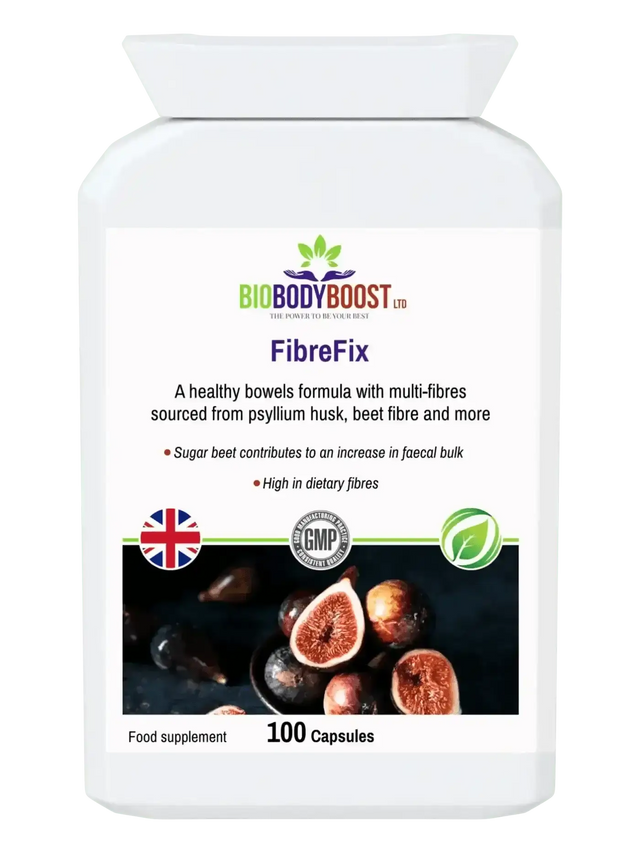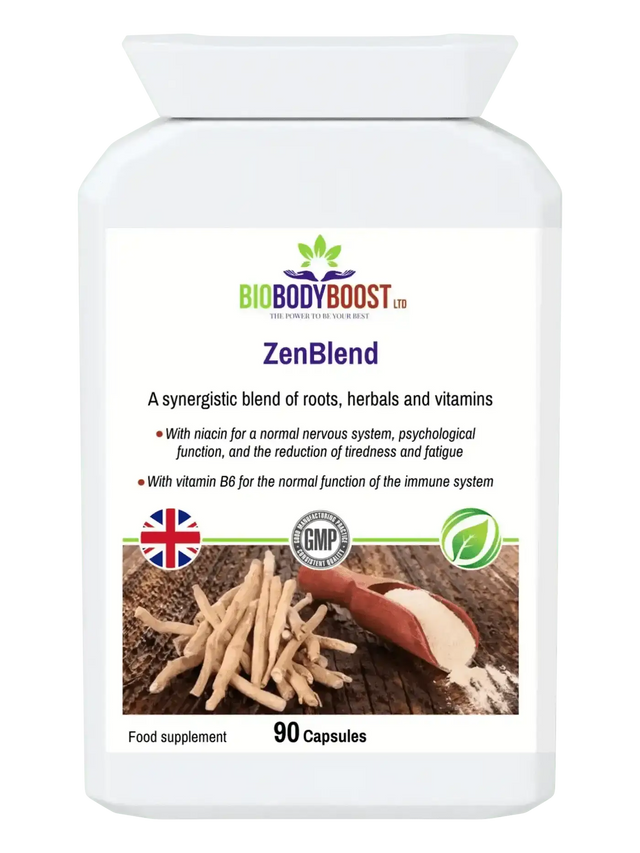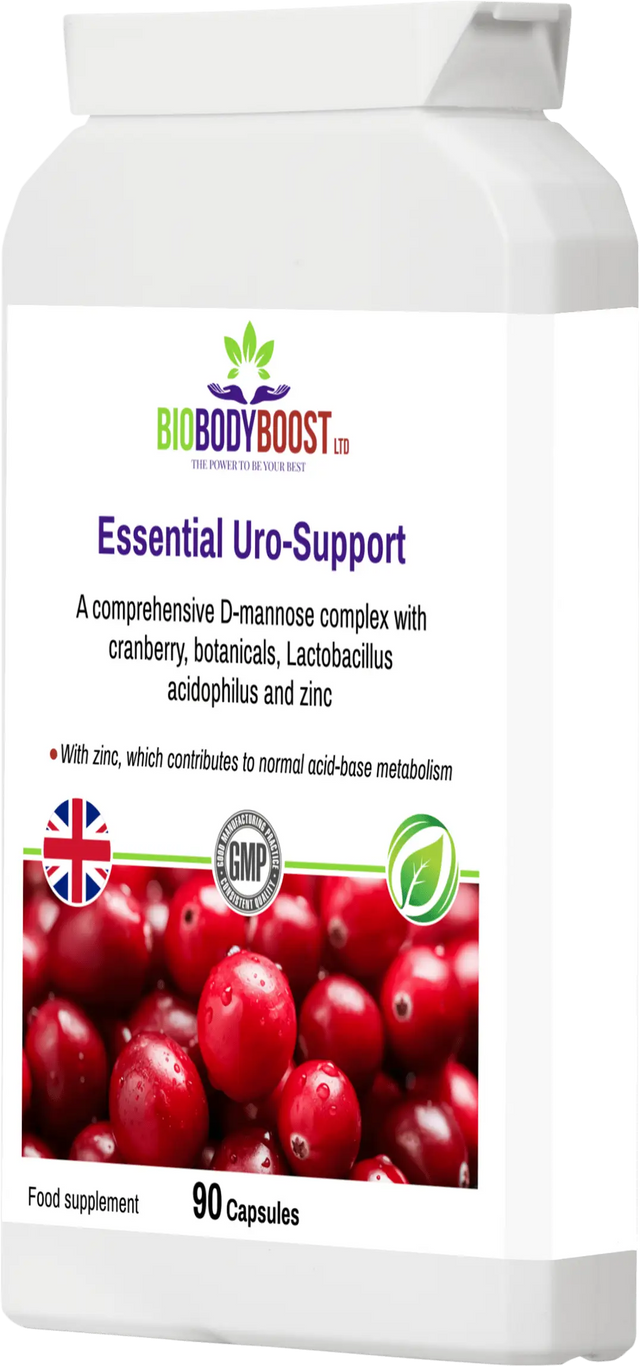

Most people do not ask whether a supplement is vegan first. They ask whether it will upset their stomach, clash with what they already take, or actually help with tired mornings, low immunity or post-gym recovery. So, are vegan supplements safe for daily use? Often, yes - but safety depends less on the vegan label and more on the formula, dose, quality testing and whether the product suits your own needs.
That distinction matters. A plant-based capsule is not automatically better, just as a non-vegan one is not automatically stronger. What makes a supplement worth taking every day is a cleaner ingredient profile, sensible dosing, clear purpose and reliable manufacturing. When those pieces line up, vegan supplements can fit into a daily wellness routine very well.
Are vegan supplements safe for daily use in real life?
For most healthy adults, many vegan supplements are safe for daily use when taken as directed. Daily multivitamins, vitamin D, B12, omega-3 from algae, magnesium, probiotics and protein powders are all common examples. The body does not object to a nutrient because it came from lichen, algae, yeast or plants rather than fish oil, dairy or gelatine.
What changes the safety picture is concentration. Supplements are not just food in a capsule. They can deliver much higher amounts than you would get from a typical meal, and that is where poor choices can create problems. A well-formulated daily supplement supports consistency. An overloaded one can lead to side effects, unnecessary overlap or long-term excess.
The vegan label also says nothing about fillers, allergens, sweeteners or interactions. Some people feel lighter and more settled on clean-label plant-based formulas because they avoid common triggers such as lactose or animal-derived additives. Others may still react to certain herbs, probiotics or high-dose minerals. Safe daily use always comes back to the full label, not just the front of the pack.
What actually makes a daily vegan supplement safe?
The first marker is an appropriate dose. More is not always more effective. This is especially true for fat-soluble vitamins such as A, D, E and K, which can build up over time. It also matters with minerals like iron, zinc and selenium, where too much can create its own imbalance. A sensible daily formula should aim to fill gaps, not flood the system.
The second marker is ingredient quality. Clean, research-backed ingredients tend to be easier to trust because you know what you are taking and why it is there. Third-party testing adds another layer of confidence by checking for purity, potency and contaminants. That is especially useful with botanicals, greens powders and blended products, where ingredient complexity can hide weak quality control.
The third is how well the formula fits your routine. A supplement designed for daily digestion, immune support or muscle recovery should be practical to take consistently and gentle enough for regular use. If it causes nausea, bloating, headaches or jitteriness, the issue may be the form, dose or timing rather than the idea of supplementation itself.
The dosage question matters more than the vegan label
A vegan supplement can still be badly formulated. Megadoses of certain vitamins, stimulant-heavy fat burners, poorly balanced mineral blends and herbal mixes with little evidence are not made safer by being plant-based. On the other hand, a modest, targeted formula often works well because it respects the reality of daily use.
That is why label reading matters. Check the amount per serving, how many capsules count as one dose, and whether the product duplicates nutrients you already get from another supplement. A daily multivitamin plus a separate B-complex, vitamin D spray and recovery blend can quietly stack into more than you intended.
Which vegan supplements are commonly used every day?
Some nutrients are particularly relevant in plant-based routines because they are harder to get consistently through food alone. Vitamin B12 is the clear example. It is essential for energy metabolism and nervous system function, and many vegans rely on regular supplementation to stay covered.
Vitamin D is another common daily staple in the UK, especially through autumn and winter when sunlight is limited. Vegan D3 sourced from lichen offers a plant-based option that suits long-term use well when dosed appropriately.
Algae-based omega-3 supplements are increasingly popular for brain, eye and heart support. They provide DHA and EPA directly, without relying on fish oil. For many people, they are a practical daily choice with a lighter ethical and dietary footprint.
Magnesium, probiotics and plant protein powders also sit comfortably in everyday routines when chosen carefully. Magnesium can support sleep quality, muscle function and stress resilience. Probiotics may help gut balance and daily digestion, though strains and results vary. Plant protein can be useful for busy schedules, training recovery or simply getting more protein without dairy.
When daily use needs more caution
There are times when daily supplementation should be more personalised. Iron is one. It is important for some people, especially those with diagnosed low iron, but taking it without need can cause digestive issues and may not be helpful. The same goes for higher-dose calcium, iodine and selenium.
Herbal blends also deserve a more careful look. Adaptogens, detox formulas and metabolism-focused products can sound appealing, but they are not all designed for indefinite daily use. Some herbs affect blood pressure, blood sugar or sleep, and some can interact with medicines. Natural does not mean risk-free.
Pregnancy, breastfeeding, existing health conditions and prescription medications all shift the conversation. If you have thyroid concerns, digestive disorders, kidney issues or are taking blood thinners, it is worth checking with a pharmacist, GP or qualified nutrition professional before adding anything new.
Side effects are usually a formula problem, not a vegan problem
If a supplement leaves you feeling off, the cause is often practical. Iron may cause constipation. Magnesium in some forms can loosen stools. Certain probiotics can trigger temporary bloating. High-dose B vitamins may cause nausea on an empty stomach. Sweeteners, gums and bulky fillers can also be the hidden reason a product does not suit you.
This is where simpler formulas often win. Fewer unnecessary extras, better ingredient forms and a clear health goal can make daily use much easier to stick with.
How to choose a vegan supplement for long-term use
Start with the reason. Are you trying to support energy, immunity, digestion, recovery or general nutritional cover? A supplement works better when it solves a real gap rather than joining the cupboard because the packaging looked convincing.
Then check the form. Some nutrients are easier on the stomach or better absorbed in specific forms. Magnesium glycinate may suit some people better than magnesium oxide. Methylcobalamin or cyanocobalamin may both be used for B12, depending on the formula and intended use. With omega-3, look for a clear amount of DHA and EPA rather than vague claims.
Quality cues matter. Third-party tested products and clearly labelled formulas make it easier to trust what is inside. A clean-label approach can also help if you want to avoid dairy, gluten, artificial colours or unnecessary binders. That is one reason many customers looking for simple daily support choose brands such as BioBodyBoost, where plant-based formulas and testing claims are built into the product standard.
Finally, respect consistency over intensity. A well-chosen daily supplement should feel like a steady upgrade, not a dramatic experiment. Better digestion after meals, calmer focus, less post-training soreness or more stable energy across the week are the kind of wins that tend to last.
Are vegan supplements safe for daily use if you eat well already?
Sometimes yes, sometimes not necessary. A strong diet remains the foundation. If you eat a varied, balanced diet and have no known deficiencies, you may not need multiple supplements every day. But even people who eat well can have genuine gaps. B12 in vegan diets is the obvious one. Vitamin D is common in the UK. Busy lifestyles can also make consistency hard, especially if meals are rushed or repetitive.
The smarter view is not supplements versus food. It is food first, targeted support where useful. Daily supplementation makes the most sense when it is filling a realistic gap, supporting a specific outcome or helping you stay consistent with your health goals.
That is the sweet spot. Not fear-based buying. Not megadose thinking. Just practical, research-backed support that works with your routine rather than taking it over.
If you are choosing vegan supplements for daily use, think clean ingredients, sensible dosing and a clear reason for taking them. When a formula is built properly and matched to your needs, daily use can be both safe and effective - and that is where better habits start to feel like better health.