Most people assume "halal certified" and "alcohol-free" mean the same thing on a supplement label. They usually overlap — but not always, and the gap between them is exactly where confusion happens. Here's where alcohol can genuinely hide in a supplement, and what to actually check.
Why This Isn't the Same Question as Halal
Halal certification assesses a defined set of criteria — animal-derived ingredients, cross-contamination, permitted processing methods — and different certifying bodies apply slightly different standards on trace or processing-stage alcohol. That means two products can both carry halal certification while differing on alcohol content, because the certification and the alcohol question aren't always testing exactly the same thing. If alcohol-free specifically — not just halal — is your requirement, it's worth checking both separately rather than assuming one guarantees the other.
Where Alcohol Actually Turns Up
1. Liquid tinctures and herbal drops
Traditional tincture-making uses ethanol as the extraction solvent — it's simply an effective way to pull active compounds out of a plant. Many liquid herbal drops on the UK market are alcohol-based for exactly this reason, even when nothing on the front label mentions it. Glycerin-based (alcohol-free) tinctures exist but are less common and often extract a narrower range of compounds.
2. "Natural flavouring"
This is the vaguest phrase on any UK supplement label, and it can legally cover an alcohol-based flavour carrier. The word "natural" describes the flavour compound's origin, not the solvent used to deliver it.
3. Vanilla and fruit extracts
Classic vanilla extract is traditionally alcohol-based — it's literally how the flavour compounds are drawn out of the pod. Vanilla flavouring in a capsule or powder can still trace back to an alcohol-based starting extract, even in trace amounts by the time it reaches the finished product.
What to Actually Check
- Format first: capsules and powders carry far lower alcohol risk than liquid tinctures and drops, simply because there's no liquid solvent to extract with.
- Read past "natural flavouring" — if the full ingredient breakdown isn't published, that's information you're entitled to ask the brand for directly.
- Look for "alcohol-free" stated explicitly — not implied by halal certification, but stated as its own claim.
- Check the certifying body's standard if precision matters to you — different halal certifiers apply different thresholds for trace or processing-stage alcohol.
Our Approach
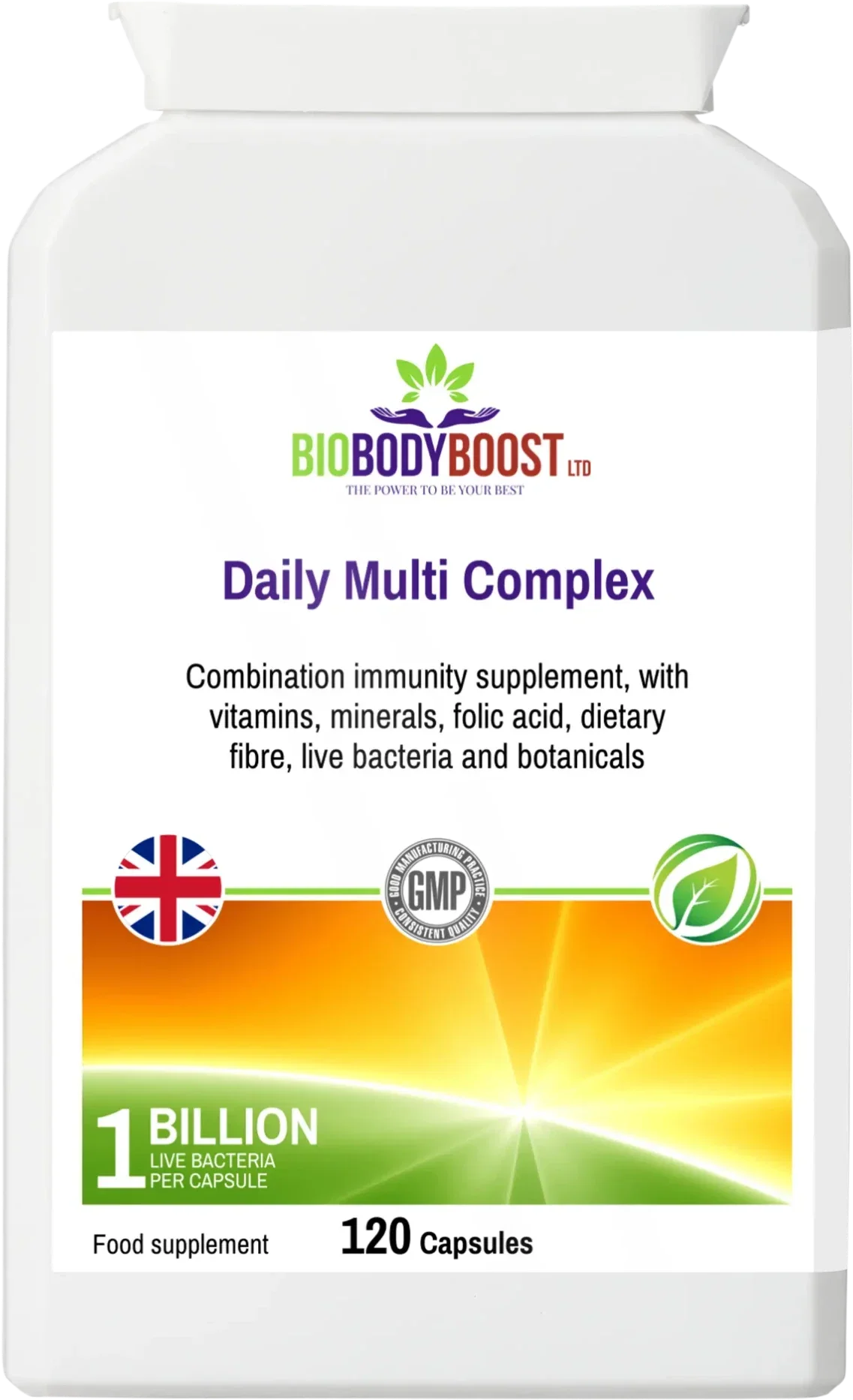
We build in capsule and powder formats specifically because they carry the lowest alcohol risk by design — no liquid tincture base, no solvent-extraction step. Daily Multi Complex and the rest of our range avoid added artificial flavourings and colours entirely, which removes the "natural flavouring" ambiguity from the equation. Where a product does use a stated flavouring — as in our collagen or protein ranges — check the individual product page for the specific flavour source.
FAQs
Does halal certified mean alcohol-free?
Not automatically. Halal certification and an alcohol-free claim assess overlapping but not identical criteria, and standards vary between certifying bodies on trace or processing-stage alcohol. Check for an explicit alcohol-free statement if that's your specific requirement.
Which supplement formats are lowest risk for alcohol content?
Capsules and powders, generally — liquid tinctures and drops carry the highest risk since ethanol is a common traditional extraction solvent for botanicals.
What does "natural flavouring" actually mean?
It describes the flavour compound's natural origin, not the solvent or carrier used to deliver it — which can legally include alcohol-based carriers without further disclosure on a UK label.
Is vanilla flavouring always alcohol-based?
Traditional vanilla extract is alcohol-based by extraction method. Flavourings derived from it can carry that origin through to the finished product, even in reduced or trace form — check with the brand if precision matters.
Browse the full Halal Vitamins UK collection.
Food supplements should not replace a varied diet. If alcohol content is a strict requirement for you, we recommend contacting the brand directly to confirm the specific formulation and certifying body's standard for any product you're considering.