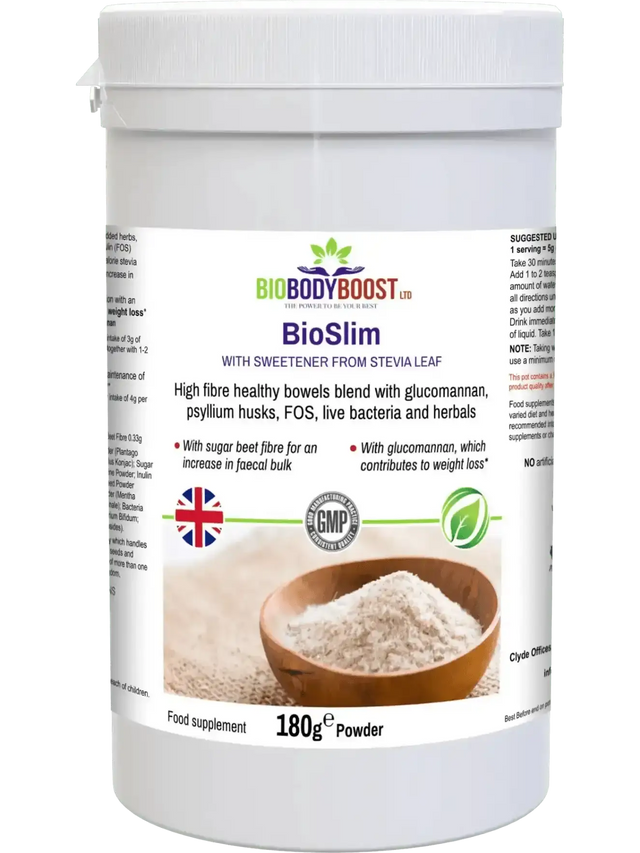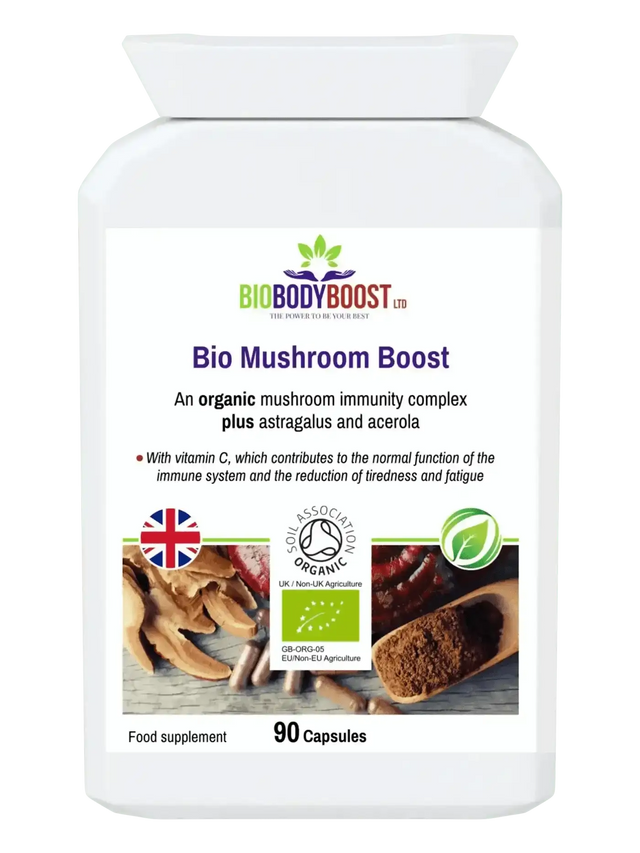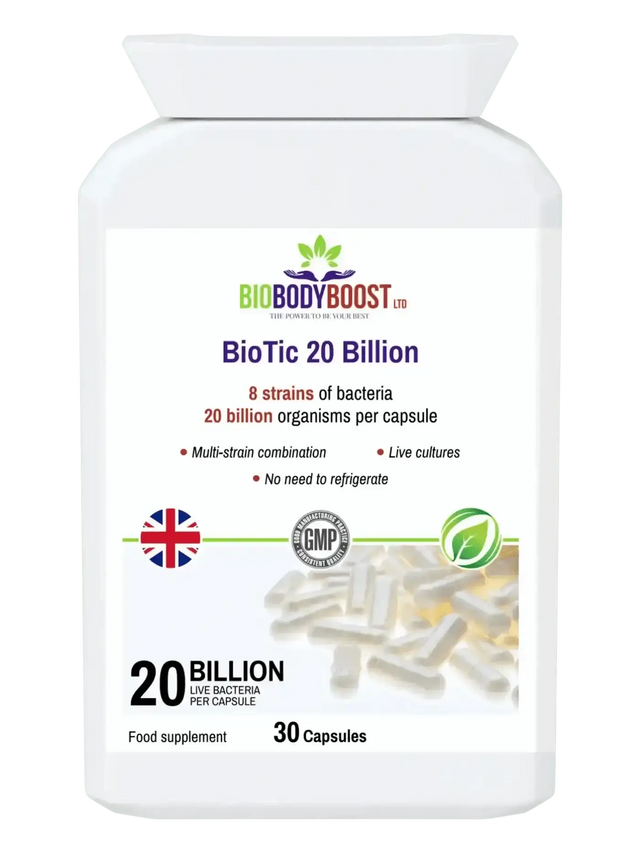

Quick answer: “third party tested” means an independent laboratory or certification body — with no commercial relationship to the brand — has audited the product against defined standards. For general supplement quality: this typically means heavy metal, contaminant and potency testing. For halal compliance: it means an independent halal body has audited not just the ingredients list but the capsule shell, processing aids, manufacturing environment, and supply chain. These are different certifications with different scopes. Most UK supplements claiming to be “third party tested” have quality testing only — not halal third-party certification. This guide explains the difference and what to look for.
What “third party tested” means for supplement quality
Third-party quality testing for UK supplements typically covers:
- Identity: confirms the ingredient is what the label says (e.g. that “ashwagandha extract” is actually ashwagandha)
- Potency: confirms the stated dose is present (e.g. that a capsule claiming 600mg KSM-66 actually contains 600mg)
- Contaminants: heavy metals (lead, arsenic, mercury, cadmium), pesticide residues, microbial contamination (E. coli, Salmonella, yeast, mould)
- Purity: confirms no unlisted ingredients (relevant for sports supplements and banned substance testing)
Under UK GMP (Good Manufacturing Practice) — which all legitimate UK supplement manufacturers must comply with — systematic batch testing is required as part of the GMP framework. BioBodyBoost products are manufactured by Specialist Supplements Ltd under UK GMP, with batch documentation covering identity, potency and contaminant checks.
What halal third-party certification covers — and why it’s different
Halal certification is an entirely different audit from quality testing. A halal certificate from a named certifying body confirms:
- Active ingredients: each ingredient has been verified as halal-compliant (no alcohol-based extraction solvents, no animal-derived carriers, no haram processing aids)
- Capsule shell: confirmed HPMC (plant-derived) not porcine gelatine — gelatine is the most common hidden haram ingredient in UK supplements
- Flavourings and colourings: confirmed free from E120 (carmine, insect-derived), alcohol-based flavouring carriers, and other non-compliant additives
- Processing aids: magnesium stearate, calcium carbonate and other excipients confirmed from halal sources (not porcine)
- Manufacturing environment: confirmed no cross-contamination with haram ingredients in the same facility or on shared equipment
- Annual re-audit: certification is not permanent — it requires annual renewal with repeat facility audit
A supplement that is “third party tested” for quality but has no halal certification has not had any of the above checked. The ingredients list alone is insufficient — capsule shells, excipients, flavourings and manufacturing environment are not declared on labels in enough detail to determine halal compliance without an independent audit.
The UHA certificate on BioBodyBoost products
All BioBodyBoost products carry third-party halal certification from the Universal Halal Authority (UHA):
- Certificate Reference: 24623
- Authorised by: Hassan Gulzar MD, Universal Halal Authority
- Issued: 13 December 2025
- Valid until: 05 December 2026
- Products covered: 57 named products by SKU
- Manufacturer: Specialist Supplements Ltd, UK
- Scope: active ingredients, capsule shells (HPMC confirmed), excipients, flavourings, manufacturing environment
This certificate was issued following an independent audit of the full manufacturing process — not based on brand self-declaration. It is renewed annually.

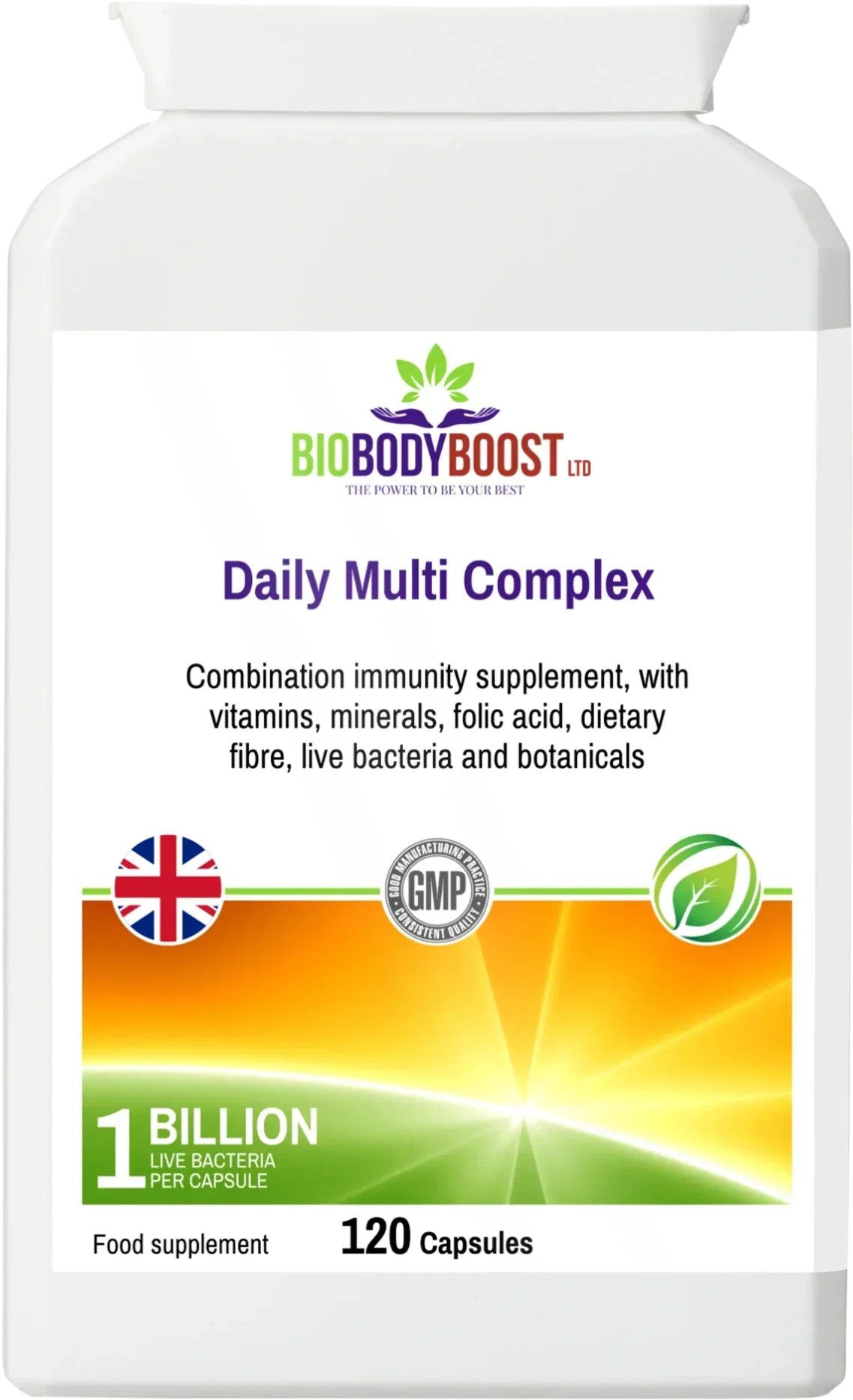
Every ingredient dose-declared — the transparency that a third-party halal audit actually verifies, not just checks against a list.
Self-declaration vs third-party halal certification — the difference
| Claim type | What was audited | Reliability |
|---|---|---|
| “Halal suitable” (no logo) | Brand reviewed ingredient list only | Low — capsule, excipients, factory unverified |
| “No pork ingredients” | Brand checked active ingredient sources | Partial — gelatine capsule not necessarily excluded |
| Third-party halal certified (HFA, HMC, UHA, IFANCA) | Independent auditor: ingredients, capsule, excipients, factory, supply chain | High — full scope, annual renewal |
Browse the full halal certified range: Halal Vitamins UK · Gut Health UK · Sports Nutrition UK.
How do I know if a supplement is really halal certified UK?
Look for: (1) a named third-party certifying body — HFA (Halal Food Authority), HMC (Halal Monitoring Committee), UHA (Universal Halal Authority), IFANCA, or equivalent; (2) a certificate reference number you can verify; (3) a certification logo on the product label, not just the website; (4) confirmation that the capsule shell is HPMC (not gelatine); (5) annual renewal of the certificate (not a one-time audit). BioBodyBoost products carry UHA Certificate Reference 24623, issued to the manufacturer Specialist Supplements Ltd, covering 57 products by SKU. Self-declaration without a named certifying body and certificate reference is not third-party certification.
What is the best halal certified supplement brand UK?
The meaningful standard: full-range third-party halal certification from a named UK body covering all product categories. BioBodyBoost operates this model — all 60+ products under UHA Certificate Reference 24623, covering vitamins, probiotics, collagen, omega-3, creatine, magnesium, protein powders, nootropics and more. All HPMC capsules. No porcine gelatine. No E120. UK GMP manufactured. Other options with third-party certification: Myprotein’s HFA-certified sub-range (sports products only), The Halal Supplement Company (HMC, limited range), Khan Nutrition.
BioBodyBoost — Halal Certified UK Supplements
Use code HALAL10 for 10% off your first order — halal approved under UHA Certificate Ref. 24623, vegan, UK made. Shop the full range →