You've seen the videos: influencers squeezing vivid blue drops under their tongues, flashing indigo smiles, promising "mitochondrial optimisation", laser focus and anti-ageing. Methylene blue is one of the biggest wellness trends of the year — and it's the one we get asked about that we will never stock. Not because it's boring, but because it's a pharmaceutical drug being cosplayed as a supplement, with interaction risks that TikTok never mentions. Here's the full honest picture.
What Methylene Blue Actually Is
Methylene blue is a synthetic dye first made in 1876 — the first fully synthetic drug used in medicine. Today it's a legitimate hospital medicine: the treatment for methaemoglobinaemia (a blood disorder), used in certain surgical settings, administered by clinicians at controlled doses. It is also, literally, the dye used to stain cells in laboratories and to treat fish-tank fungus. None of that makes it a food. In the UK it has no authorisation as a food supplement ingredient — the products sold online exist in a regulatory grey zone, often labelled "not for human consumption" with a wink.
Why TikTok Loves It
The mechanism story is genuinely interesting — at low doses methylene blue can act as an electron cycler in mitochondria, and there is early-stage research in neurology. But "interesting mechanism plus small early studies" describes hundreds of compounds that never survive proper trials. The visible blue theatre does the real marketing: it photographs like nothing else in wellness.
The Risks the Videos Skip
- It's an MAOI. Methylene blue inhibits monoamine oxidase A. Combined with SSRIs, SNRIs, or other serotonergic antidepressants it can trigger serotonin syndrome — a medical emergency. Regulators including the US FDA have issued formal warnings about precisely this combination. Given how many people take antidepressants without broadcasting it, influencers recommending blue drops to a general audience are running a real-world pharmacology experiment on strangers.
- Dosing is uncontrolled. The hormesis curve matters: effects reverse at higher doses, and internet products range from diluted drops to lab-grade powder with no standardisation.
- Purity is unverifiable. Industrial and aquarium-grade methylene blue can carry heavy-metal contamination; "USP grade" claims on grey-market sites are unaudited.
- G6PD deficiency — a common inherited condition, often undiagnosed — makes methylene blue dangerous.
Why We Won't Sell It
Our line is simple: we sell food supplements with UK regulatory status, published doses and named ingredients — and methylene blue cannot meet that bar, because it isn't a food supplement. It's an unlicensed use of a prescription-class pharmaceutical. Any brand selling it to you has decided the trend is worth more than the rulebook, and that tells you everything about their other labels too. The same honesty policy is why our label-reading guide exists.

What to Take Instead (If Focus and Energy Are the Goal)
Everything methylene blue is claimed to do has a boring, regulated counterpart with better human evidence:
- Same-day focus: caffeine + L-theanine — the best-evidenced attention pairing there is
- Memory over a term: bacopa monnieri at 300mg (the evidence)
- Cellular energy claims, legally: B12, niacin and B5 contribute to normal energy-yielding metabolism — authorised claims, no dye required
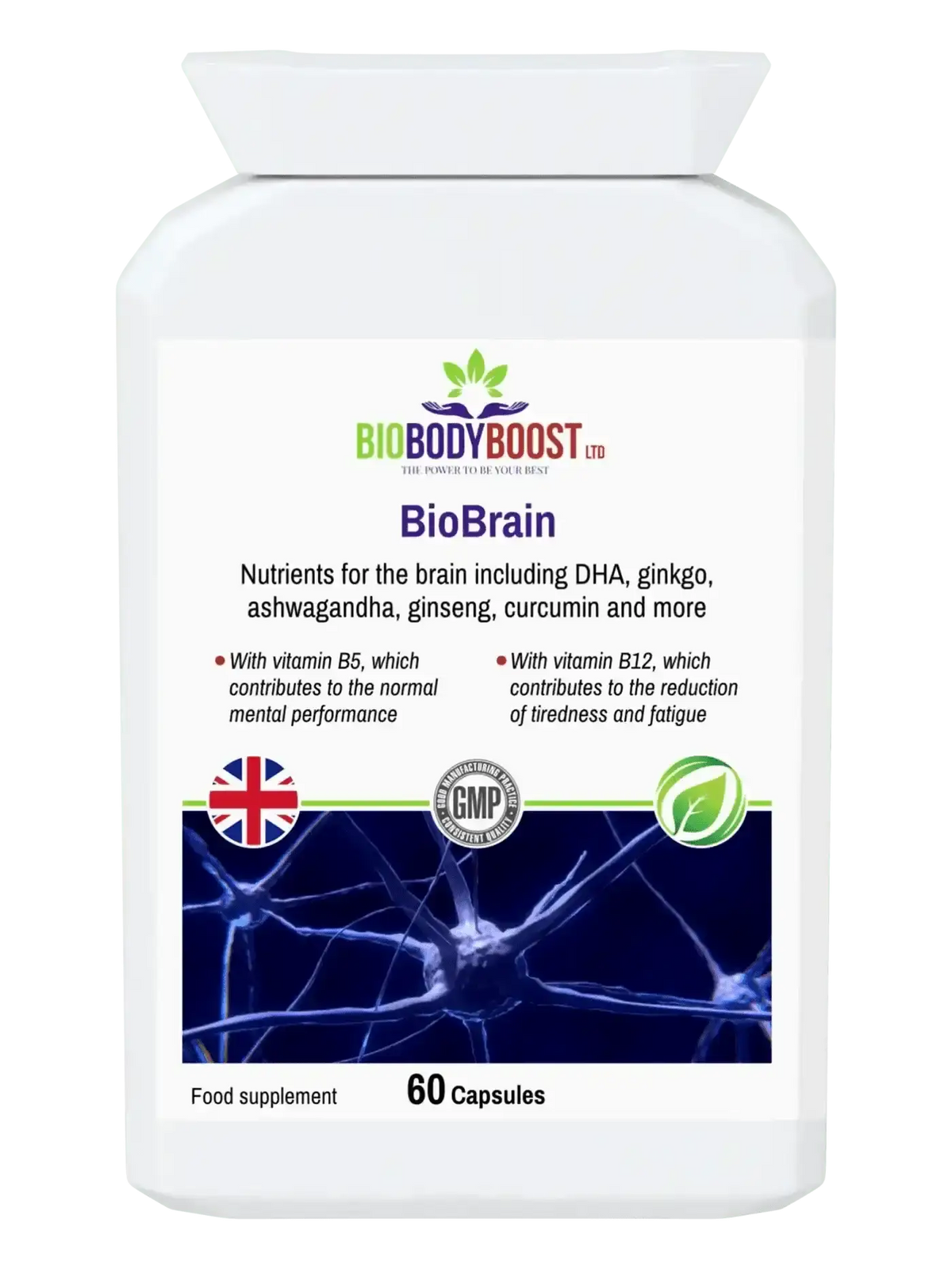
- All of the above in one: BioBrain — 24 declared doses, UK-made, halal and kosher approved
- Mitochondria-adjacent longevity interest: the honest state of NAD+/NMN research
FAQs
Is methylene blue legal in the UK?
As a medicine, in clinical use, yes. As a food supplement — it has no such authorisation; consumer products sold online sit outside food-supplement regulation, frequently disclaimed "not for human consumption".
Does methylene blue improve focus?
Early-stage research exists on low-dose cognitive effects; nothing close to the evidence base of ordinary options like caffeine + theanine — and the risk profile isn't comparable either.
Is methylene blue safe with antidepressants?
No — this is the headline danger. Its MAOI activity combined with serotonergic antidepressants can cause serotonin syndrome, a medical emergency. Regulators have issued specific warnings.
Why is everyone's mouth blue on TikTok?
Because it's a dye. That's the marketing. Staining your teeth blue is the one claim it delivers on reliably.
This article is general information, not medical advice. Never combine methylene blue with antidepressants or other serotonergic medication. If you've been taking it and feel unwell — agitation, fever, rapid heart rate — seek urgent medical help.