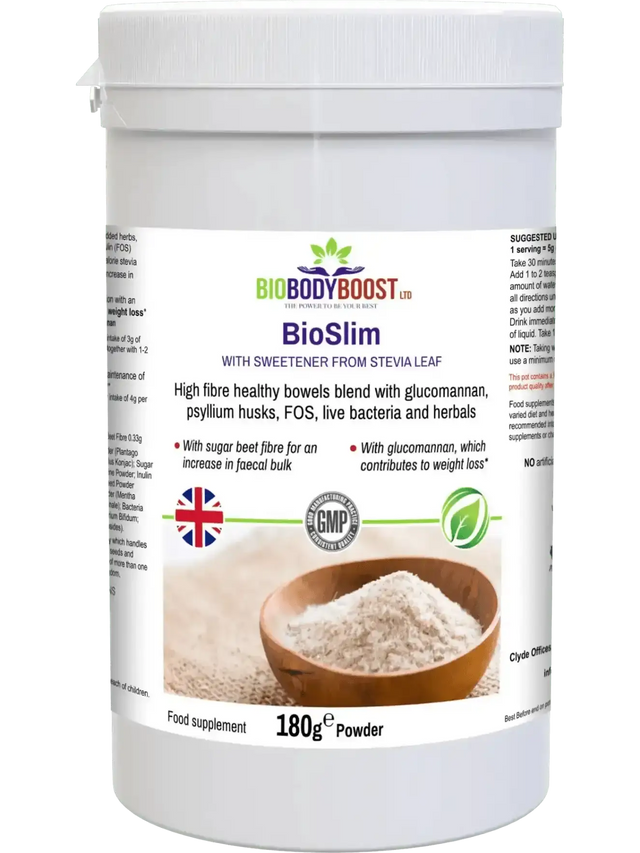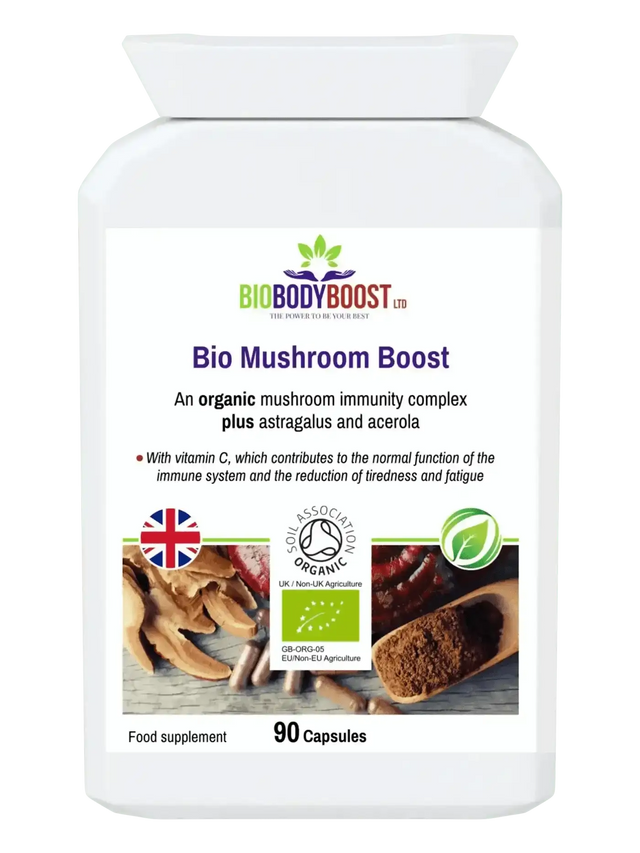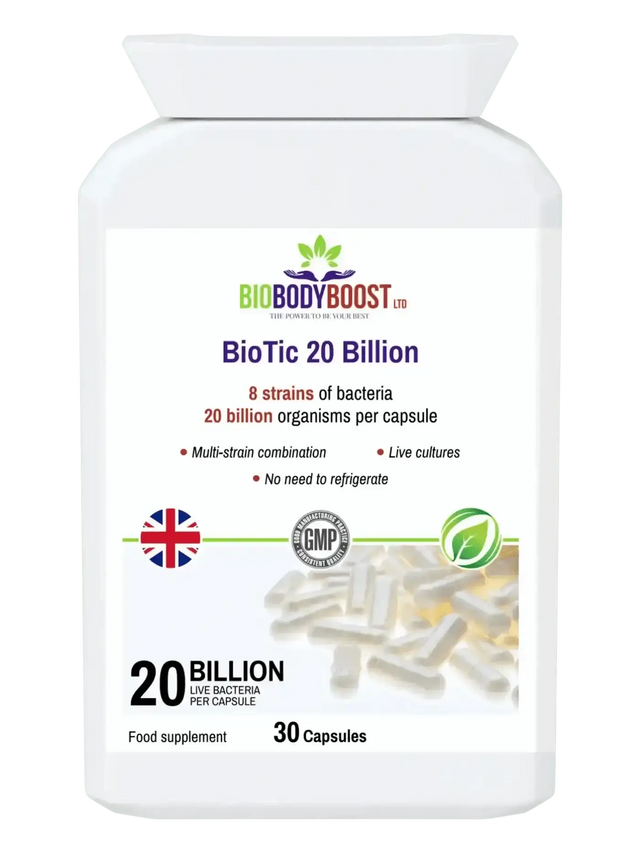

A few years ago, plant-based wellness often meant one thing: a green powder on the kitchen counter and a vague promise to feel better. That model is fading fast. The future of plant-based wellness is far more precise, more evidence-led and much more useful in real daily life - whether you want steadier energy at work, calmer digestion after meals, or better recovery after training.
What changes the picture is not just demand for vegan-friendly supplements. It is the shift in what people expect from wellness products altogether. Shoppers are asking better questions. What is in this formula? Is it third-party tested? Will it sit well on my stomach? Is it designed for my goal, or is it trying to do everything at once? That shift matters because it pushes the category away from hype and towards outcomes.
Why the future of plant based wellness looks more targeted
The broad, catch-all supplement is losing ground. People no longer want to take five random capsules and hope for the best. They want a cleaner match between ingredient, dose and need.
That means plant-based wellness is becoming more goal-led. Immune support, digestive balance, joint comfort, muscle recovery, emotional clarity and everyday energy are no longer treated as one big wellness blur. They are distinct concerns, with different ingredients, different timings and different expectations. A probiotic approach that helps with bloating after lunch is not the same as a botanical blend designed for stress resilience, and neither should be sold as if it is.
This is where smarter formulation comes in. The next phase of the category will reward blends that are built around a job to be done. Not stuffed with ingredients for label appeal, but formulated with a clear purpose and enough transparency for people to understand why each component is there.
Personalisation is moving from trend to standard
Personalised wellness has been talked about for years, but now it is becoming practical. Not everyone needs the same level of magnesium, fibre support, adaptogens or plant protein. Lifestyle, diet, age, training load and digestive tolerance all shape what works.
For busy adults, this matters because guesswork wastes both money and consistency. Someone dealing with sluggish mornings and mid-afternoon dips may need a very different support plan from someone focused on gym recovery or family immune resilience. The future is not about more supplements. It is about more relevant ones.
Tailored pathways are likely to become a bigger part of the market, especially for people managing dietary restrictions or specific health goals. That does not mean wellness needs to become complicated. If anything, the best personalisation will make routines simpler by filtering out what is unnecessary.
Clean labels will matter more, not less
As the market matures, ingredient quality will become a bigger differentiator than marketing noise. Plant-based shoppers are already reading labels carefully, and that habit is spreading well beyond vegan consumers.
People want formulas without unnecessary fillers, artificial colours and harsh additives. They also want ethical compatibility - vegan, dairy-free, gluten-free, and other standards that fit real households. For many buyers, especially parents and routine supplement users, clean-label is not a bonus. It is the baseline.
There is a practical reason for this. Cleaner formulas often feel easier to trust and easier to tolerate. If someone has had poor experiences with digestive discomfort, synthetic aftertaste or products that feel too heavy, they are more likely to stick with something that feels straightforward and well considered.
Still, clean does not automatically mean effective. That is one of the key trade-offs ahead. A formula can look beautifully minimal and still underdeliver if the dosing is weak or the ingredients are chosen for trend value rather than function. The strongest brands will be the ones that pair clean composition with research-backed reasoning.
Research-backed will become the real trust signal
Consumers have become more sceptical, and rightly so. They are less impressed by vague wellness language and more interested in proof cues they can understand.
That is why clinically-researched ingredients, third-party testing and transparent sourcing are becoming central to the future of plant-based wellness. These signals do not guarantee a perfect product, but they do help separate serious formulations from products built mainly around branding.
This is especially relevant in categories where people expect a noticeable result. Better digestion. Less post-workout soreness. More consistent energy. Improved skin support. If a supplement claims performance benefits, people want to know that the blend has some scientific logic behind it.
For brands, this raises the bar. The conversation is no longer just about being natural. It is about being natural and effective. That combination is where long-term trust is built.
Gut health will stay at the centre
If there is one area likely to anchor the next phase of wellness, it is digestive health. Not because it is fashionable, but because it connects to so many daily outcomes people care about.
When digestion is off, everything feels harder. Energy can dip, focus can wobble, bloating can become a daily frustration and routines start to feel heavier than they should. That is why gut support continues to move from specialist interest to mainstream priority.
The future here looks broader than basic probiotic messaging. Expect more focus on the full digestive picture - beneficial bacteria, fibres, botanicals, digestive support ingredients and formulations designed to minimise gut disruption rather than add to it.
There is also a growing awareness that not everybody responds in the same way. One person may thrive on a high-fibre formula, while another may need a gentler approach. That nuance will shape product development. Better gut health support will be less about one-size-fits-all promises and more about better matching formulas to real digestive patterns.
Plant-based wellness is becoming part of performance
For a long time, some consumers viewed plant-based supplements as the softer, lifestyle end of wellness rather than the performance end. That split is disappearing.
Today, people want plant-based options that help them train well, recover properly and stay consistent without compromise. That includes protein support, hydration, inflammation balance, joint mobility and recovery-focused micronutrition.
This matters beyond sport. Performance now includes how you feel across a working week. Can you get through a busy morning without crashing? Do you feel less stiff after sitting at a desk? Are you recovering from hard sessions without feeling drained for days? These are practical outcomes, and the future of plant-based wellness will be shaped by products that meet them in a clean, reliable format.
The challenge is avoiding overclaiming. Not every plant-based ingredient will deliver dramatic results, and not every person needs a high-performance stack. For some, a basic routine covering foundational nutrition and digestion may do far more than a complicated collection of specialist products.
Convenience will shape what actually gets used
Even the best supplement cannot help if it sits unopened in a cupboard. One of the biggest shifts ahead is the move towards simpler, more sustainable routines.
People are tired of wellness protocols that feel like a second job. They want products that slot into breakfast, post-gym recovery, the work bag or the family routine without friction. Powders, capsules, sachets and blends all have a place, but convenience will increasingly decide adherence.
That is why the winning products will not just be scientifically sound. They will also be easy to understand and easy to keep taking. Good wellness habits are built on repeatability. If a formula tastes unpleasant, feels heavy, or demands too much planning, consistency usually drops off.
Brands that organise products by goal rather than jargon are likely to connect more strongly with real customers. When someone can quickly identify support for daily digestion, immune balance or muscle recovery, decision fatigue falls away and action becomes easier.
What consumers should watch for next
As the space grows, so will the number of products making similar promises. That makes discernment more important.
A good sign is specificity. If a formula clearly explains its role, its ingredient logic and who it is designed for, that is usually more credible than a product claiming to support every possible outcome. Another good sign is testing and transparency. People do not need a science degree to recognise when a brand is trying to be clear rather than clever.
It is also worth watching how brands talk about results. Honest wellness brands understand that outcomes vary. Digestion support might feel different from person to person. Energy benefits can depend on sleep, food intake and stress load. Joint support may take longer to notice than hydration support. Realistic guidance builds trust. Hype burns it.
For brands like BioBodyBoost, this creates a real opportunity. Customers are not simply buying capsules or powders. They are buying clarity, fit and confidence that what they take each day supports the life they actually live.
The most exciting part of the category is not that it is getting bigger. It is getting better - cleaner formulas, smarter targeting, stronger evidence and more useful daily support. If that continues, plant-based wellness will feel less like a trend and more like what modern health support should have been all along.