
The breakfast rush is rarely the moment for a cupboard full of bottles, complicated timings and guesswork. A useful family supplement routine example is built around the moments that already happen: breakfast, an after-school snack, lunch or post-training recovery. The aim is not for everyone to take the same supplement. It is to give each person targeted, sensible support without turning wellness into another household job.
For many UK households, the foundations are familiar: variable sunlight through autumn and winter, rushed meals, busy workdays, children in close-contact school settings and adults trying to fit training around everything else. Clean, plant-based supplements can help cover genuine gaps, but they work best alongside varied food, sleep, movement and regular meals.
Start with needs, not a shopping list
The most effective routine begins with three questions: who is taking it, what outcome are they aiming for, and what is already covered by food? An adult who eats a varied vegan diet, for example, may have different priorities from a teen who trains several times a week or a child going through a fussy-eating phase.
Keep each person’s routine focused. A broad daily foundation may make sense where diet is inconsistent. A targeted formula may suit a clear goal such as gut balance and daily digestion, muscle recovery or joint comfort. Adding several products that do the same thing can be expensive, inconvenient and occasionally excessive.
This is also where labels matter. Check active ingredients, serving size, allergens, dietary suitability and whether products overlap. A multivitamin plus a separate high-strength mineral blend can unintentionally double up. Look for transparent, third-party tested formulas and avoid treating a long ingredient list as proof that a supplement is better.
A practical family supplement routine example
This model is not a prescription. It shows how a household might organise supplementation around real routines, then adjust it with a pharmacist, GP or registered dietitian where needed.
Breakfast: the adult daily foundation
For busy adults, breakfast is usually the easiest anchor. Taking a suitable vegan multivitamin and mineral formula with food can support a consistent routine, particularly when breakfast is light or lunch is often grabbed between meetings. Choose one that fits your diet and avoids unnecessary megadoses.
Vitamin D deserves individual attention in the UK. Government advice commonly recommends a daily supplement during autumn and winter, with some people needing to consider it all year round, depending on skin tone, time spent indoors, clothing coverage and other factors. Check the current NHS guidance and choose a plant-based option at an appropriate level for your circumstances.
If the goal is heart and circulation support, a vegan omega oil may be a useful consideration for adults who do not eat oily fish. It is not a shortcut around diet, but it can sit neatly alongside a breakfast containing oats, fruit or wholegrain toast.
After school: keep children’s routines simple
Children need child-appropriate products, not scaled-down adult formulas. Their requirements change with age, growth, diet and health history, so follow the label carefully and do not exceed the stated serving. Gummies and powders can be convenient, but they should still be stored out of reach and treated as supplements, not sweets.
For a child with a narrow diet, a children’s multivitamin may offer practical nutritional back-up. Vitamin D can also be relevant, especially during lower-sunlight months. Where there is persistent tiredness, poor growth, restrictive eating, stomach symptoms or concern about a deficiency, seek clinical advice rather than trying to solve it with multiple supplements.
A consistent cue makes the difference. Some families pair the daily supplement with an after-school drink or the evening tooth-brushing routine. The best time is the one you can repeat safely and calmly.
Lunch or dinner: digestion support when it fits
Digestive support is highly individual. One person may notice bloating after irregular meals, while another may simply want support during a change in routine, travelling or a period of dietary disruption. A plant-based probiotic or fibre-focused formula can be an option, but response varies by strain, dose and the person taking it.
Try one change at a time for several weeks. This gives you a fair chance to notice whether it is helping with everyday comfort and regularity. Introducing a probiotic, greens powder and several herbal blends all at once makes it nearly impossible to identify what agrees with you.
Supplements are not the first response to severe or ongoing digestive symptoms. Blood in stools, unexplained weight loss, persistent pain or major changes in bowel habit need medical assessment.
After training: recovery with a clear purpose
A parent training before work or a teenager playing competitive sport may benefit more from a simple recovery habit than another all-purpose supplement. A plant-based protein shake can help make protein intake more convenient after exercise, particularly when a meal is not immediately available. It is food support, not a replacement for balanced meals.
For adults working on mobility, targeted joint support may be worth considering alongside strength training, sensible load management and adequate recovery. Results are rarely instant. Give routines time, track how you feel and reassess rather than continuously adding new products.
Make the routine easy to maintain
A good routine should survive Monday mornings, weekends away and school holidays. Keep products in a cool, dry cupboard rather than a sunny windowsill. Use a labelled organiser for adults if it reduces missed doses, but retain original packaging so directions and expiry dates remain visible.
It helps to create a short household check-in once a month. Ask whether the goal is still relevant, whether anyone has experienced stomach upset or other unwanted effects, and whether products are close to running out. This protects both your budget and your consistency.
For a family with different needs, the routine could look like this:
- One adult takes a breakfast-time multivitamin, vitamin D and, if suitable, vegan omega support.
- Another adult uses a daily foundation and a post-workout plant protein on training days.
- A school-age child takes only a child-specific supplement where appropriate, following the label and professional guidance.
- An adult managing occasional digestive discomfort trials one targeted gut-support formula at a time.
When a tailored approach matters
Generic routines have limits. Pregnancy and breastfeeding, prescribed medicines, diagnosed conditions, kidney or liver problems, allergies, surgery and highly restricted diets all call for professional input. Herbs and concentrated nutrients can interact with medication, including blood thinners and some treatments for thyroid conditions, diabetes and blood pressure.
Blood tests can be valuable where a deficiency is suspected. They replace assumptions with a clearer plan, especially for iron, vitamin B12 or vitamin D concerns. Do not supplement high-dose iron unless a clinician has advised it - too much can be harmful, and tiredness has many possible causes.
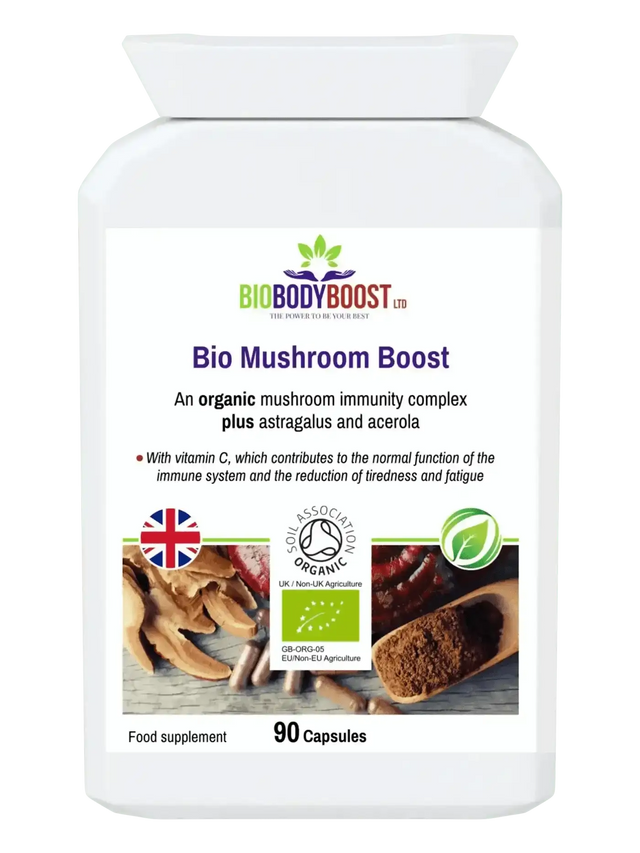
BioBodyBoost’s approach to plant-based, clearly labelled supplementation suits families who want practical support without compromising on dietary standards. Still, the strongest choice is always the one that matches the individual, has a clear reason for being there and fits the routine you can genuinely keep.
Start with one dependable habit this week. Whether that is vitamin D beside the cereal, a child-appropriate routine after school or protein ready for training days, consistency gives a thoughtful plan its real value.