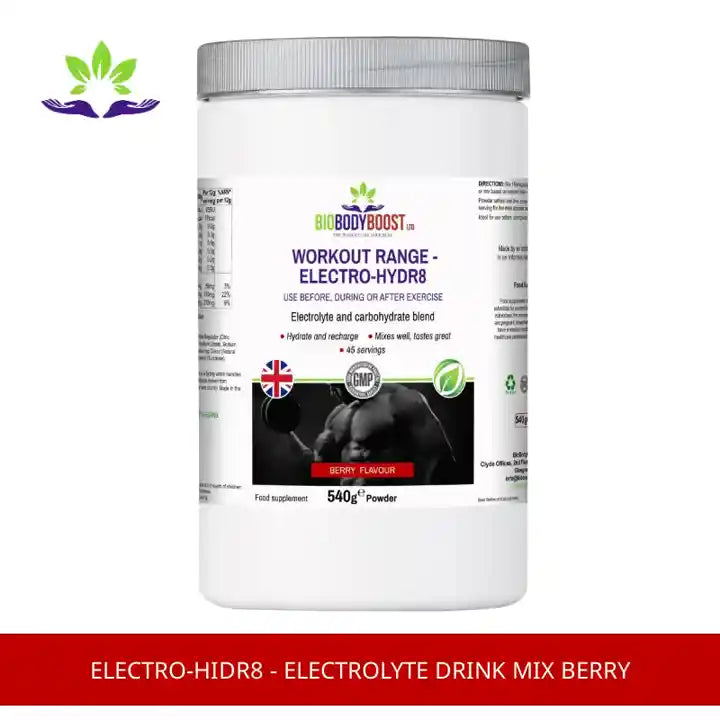
Navigating the world of dietary supplements can be overwhelming. With myriad products available, understanding how to take supplements safely and effectively is crucial, especially for UK residents looking to enhance their wellness routine. This guide will walk you through a practical supplement dosage guide, highlight the best time to take vitamins, and offer insights into how to use supplements safely.
Table of Contents
- Table of Contents
- Understanding Supplements: An Overview
- A Comprehensive Supplement Dosage Guide
- General Considerations
- Vitamin Dosage in the UK
- Best Time to Take Vitamins
- How to Use Supplements Safely
- Building a Balanced Daily Wellness Routine
- FAQ
- 1. What is the difference between fat-soluble and water-soluble vitamins?
- 2. Can I take all my supplements at once?
- 3. Are there supplements specifically for stress management?
- 4. How often should I review my supplement regimen?
- 5. Where can I find more resources on supplement safety?
- FAQs
Understanding Supplements: An Overview
Dietary supplements come in various forms, including capsules, tablets, powders, and liquids. They are designed to provide nutrients that may not be consumed in adequate amounts through diet alone. In the UK, supplements are commonly used to support overall health, energy levels, and immune function.
For instance, the CapryBio - Antifungal Caprylic Acid Capsules may support gut health by balancing intestinal microflora, while the ZenBlend - Ashwagandha Complex with Niacin is commonly used for stress management and mental clarity.
A Comprehensive Supplement Dosage Guide
When considering how to take supplements, dosage is key. Following a supplement dosage guide helps ensure safety and efficacy.
General Considerations
- Read Labels: Carefully read and follow the instructions provided by the manufacturer.
- Consult with a Healthcare Professional: Before starting any new supplement regimen, consult a healthcare provider, particularly if you have pre-existing health conditions or are on medication.
Vitamin Dosage in the UK
- Vitamin D: Commonly recommended for immune support, it should be taken in dosage as advised by a healthcare professional.
- Vitamin C: Often suggested for its antioxidant properties, typical doses range from 40-100 mg per day, but higher doses may be used under professional guidance.
For more details on safe supplement practices, refer to our detailed How to Take Supplements: A Safe Approach for UK Residents.
Best Time to Take Vitamins
Timing can significantly impact the absorption and effectiveness of vitamins:
- Morning: Taking multivitamins or specific supplements like ZenBlend - Ashwagandha Complex with Niacin in the morning can help maintain energy levels and focus throughout the day.
- With Meals: Fat-soluble vitamins such as A, D, E, and K are best absorbed when taken with meals containing some fat.
- Pre-Workout: Supplements like the Workout Range - Intra-Workout Amino Acids and Creatine Blend can be consumed pre or intra-workout to support muscle endurance and recovery.
- Evening: Certain supplements, such as calming blends, may be beneficial when taken in the evening to aid relaxation.
How to Use Supplements Safely
Safety should always be a priority when incorporating supplements into your routine:
- Avoid Mega-Dosing: More is not always better. Mega-dosing can lead to side effects and may adversely affect health.
- Mind Interactions: Consider potential interactions with medications and other supplements.
- Quality Products: Choose high-quality products. Explore our Organic Supplements and Plant Based Vitamins & Minerals for options that meet your dietary preferences.
Building a Balanced Daily Wellness Routine
A holistic wellness routine combines dietary supplements with healthy lifestyle choices:
- Balanced Diet: Prioritise a diet rich in whole foods, with diverse nutrients to naturally boost health.
- Regular Exercise: Supplement your fitness goals with products like the BCAA Amino Acids Drink Mix from our Workout Range for optimal performance.
- Adequate Sleep: Ensure sufficient rest to allow your body to recover and regenerate.
FAQ
1. What is the difference between fat-soluble and water-soluble vitamins?
Fat-soluble vitamins (A, D, E, K) are stored in the body's fatty tissue, whereas water-soluble vitamins (B, C) must be consumed more regularly as they are not stored in the body.
2. Can I take all my supplements at once?
It's preferable to stagger them throughout the day to optimise absorption and effectiveness. Consult with a healthcare professional for specific guidance.
3. Are there supplements specifically for stress management?
Yes, supplements like ZenBlend - Ashwagandha Complex with Niacin are commonly used for stress relief.
4. How often should I review my supplement regimen?
Regularly evaluate your supplement needs, especially if you experience changes in health status or lifestyle.
5. Where can I find more resources on supplement safety?
For more insights, visit our blog or explore product features and collections here.
By integrating these guidelines and consulting with healthcare professionals, you can make informed decisions about taking supplements as part of your daily wellness routine. For more products and information, visit BioBodyBoost.
This guide is designed to support your journey in enhancing your wellness regimen with a balanced approach to supplement intake, tailored to the unique needs of a UK audience.
FAQs
What should I consider before starting a supplement regimen?
Before starting any supplements, consider your specific health needs, dietary habits, and existing medical conditions. Consulting with a healthcare professional can provide personalized guidance and help avoid potential interactions with medications you're currently taking.
How do I choose high-quality supplements?
Look for supplements that have been tested by third-party organizations for purity and potency. Check for certifications or labels indicating that the product meets specific quality standards, and read reviews to learn about other users' experiences.
What is the best time to take supplements?
The best time to take supplements can vary based on the type. Some are best taken with food to enhance absorption, while others may be more effective on an empty stomach. Always follow the instructions on the label or consult with a healthcare provider.
Are there any side effects associated with taking supplements?
Yes, some supplements can cause side effects, especially if taken in excess or combined with other supplements or medications. Common side effects can include digestive issues, headaches, or allergic reactions. It's important to monitor how your body responds and consult a healthcare professional if you experience adverse effects.
How do I know the right dosage for supplements?
Dosage recommendations can vary based on the supplement, your age, weight, and overall health. Always refer to the label for suggested dosages and discuss with a healthcare professional to ensure you’re taking an appropriate amount for your individual needs.
Can I get all the necessary nutrients from food instead of supplements?
In many cases, a balanced diet rich in fruits, vegetables, whole grains, and proteins can provide the necessary nutrients. However, some individuals may require supplements to fill specific gaps due to dietary restrictions or health conditions. Consulting with a healthcare provider can help determine your needs.
What should I do if I miss a dose of my supplement?
If you miss a dose, take it as soon as you remember, but if it’s almost time for your next dose, skip the missed one and continue with your regular schedule. Do not double up on doses unless directed by a healthcare professional.
Are supplements safe for children and pregnant women?
Some supplements can be safe for children and pregnant women, but it's crucial to consult a healthcare provider before introducing any new supplements. Certain nutrients may be necessary during these stages, but proper guidance is essential to avoid potential harm.
How long does it take to see results from supplements?
The time it takes to notice results can vary greatly depending on the supplement, your overall health, and the specific benefits you are seeking. Some may yield quick results, while others might take weeks or months of consistent use to observe significant changes. Patience and consistency are key.


0 comments